
Are you one of the millions of seniors who feel overwhelmed by the thought of a long, grueling workout, yet deeply worry about your heart health after 60? It’s a common dilemma. You know you need to move more for your heart, but finding the time, managing joint stiffness, or simply fearing the strain of a full 30-minute session often leaves you staying put. This hesitation leads to low daily energy and a growing concern over cardiovascular risk.
The good news? You don’t need a gym membership or an hour of intense exercise to make a massive difference. Science now confirms that ultra-short, intentional bursts of movement are incredibly powerful. This article is your guide.
You will discover the science-backed, 5-Minute Morning Ritual that revitalizes circulation, naturally lowers blood pressure, and promotes a younger, stronger heart, along with a simple, step-by-step guide you can start tomorrow. It’s an easy, repeatable injection of energy for lasting cardiovascular health.
Why 5 Minutes of Senior Cardio Actually Works
Senior Cardio
Why it works:
“Aerobic exercise improves circulation, which results in lowered blood pressure and heart rate.”

For decades, the standard advice was 30 continuous minutes of cardio. While that remains a great goal, recent research has redefined the playing field for Senior Cardio. The key breakthrough is the power of the “micro-workout” or “exercise snack.”
This routine works because it directly targets and interrupts prolonged sedentary behavior, which is a major, independent risk factor for heart disease. Short bursts of activity, like the 5-Minute Morning Ritual, are designed to maximize the immediate benefits to your circulatory system.
The Power of Intensity Over Duration
Recent studies have shown that intensity can, in fact, outweigh duration. Research from the University of Sydney found that very short bursts of vigorous activity can protect the heart far more effectively than continuous low-level movement.
The data showed that accumulating just three to four one-minute bursts a day was associated with a nearly 49% lower risk of death from cardiovascular causes. The takeaway is simple: moving briskly for a short time delivers a massive benefit.
Furthermore, these short sessions immediately trigger the dilation of blood vessels. When you move with intention, you improve circulation instantly, which helps to lower your blood pressure and reduce stiffness in the arteries over time.
As exercise physiologist Kerry J. Stewart from Johns Hopkins Medicine explains, “Aerobic exercise improves circulation, which results in lowered blood pressure and heart rate.” Even in small doses, you are effectively tuning up your cardiovascular engine.
The final benefit is psychological. The barrier to entry for a 30-minute workout can feel impossible, leading to avoidance. Committing to a 5-Minute Morning Ritual eliminates that stress and boosts confidence, making consistency the real secret to long-term heart health far easier to maintain.
Step 1: The Brisk Walking Primer (1–2 Minutes)
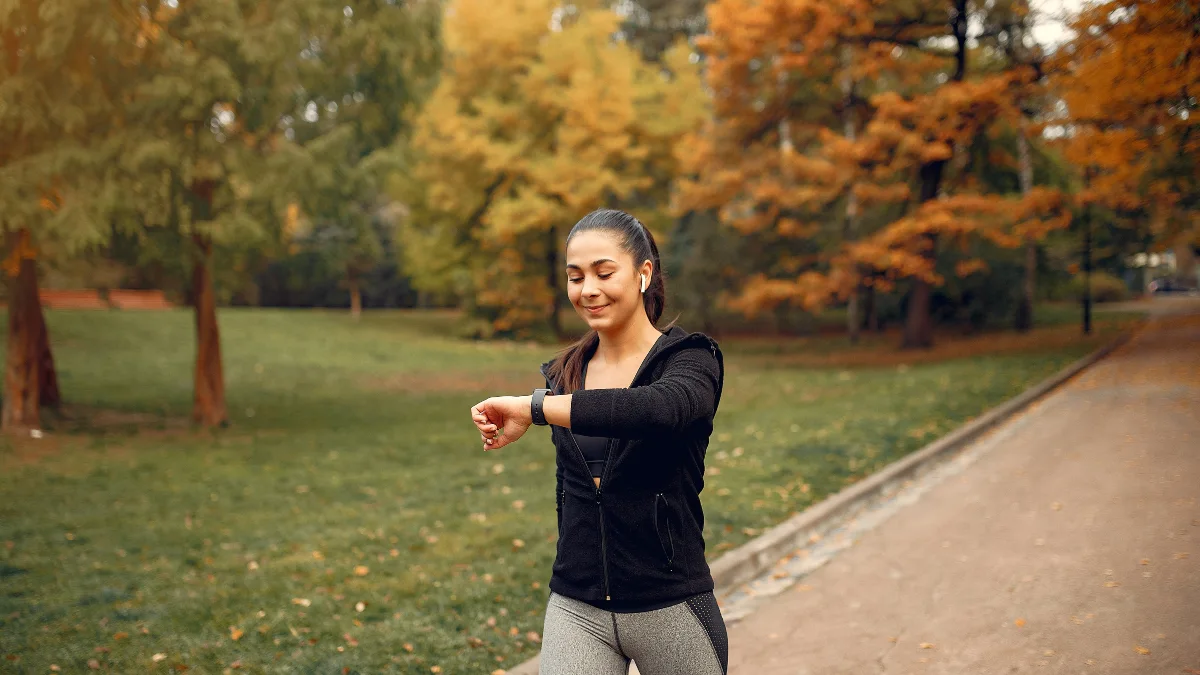
The first 1–2 minutes is all about waking up your system and initiating a change in your blood flow with a Brisk Walking primer. This is where you elevate your heart rate just enough to signal to your body that the day has begun.
Finding Your “Brisk” Pace
The importance of a brisk walking pace cannot be overstated. “Brisk” means achieving moderate intensity. You should be able to talk easily in full sentences, but you should not be able to sing. This level of effort ($\approx 3$ mph) is what releases the crucial cardiovascular benefits.
Proper Form:
Keep your head up, look forward, and relax your shoulders. Let your arms swing freely, and naturally, this engages your core and helps propel you forward.
Heel-to-Toe Motion:
Focus on a deliberate “heel-strike” followed by a roll-through to the ball of your foot and toe-off. This motion actively engages your calf and lower leg muscles, acting as a secondary pump to send blood back up to the heart, dramatically improving circulation.
The Mobility Modification:
If walking is difficult due to joints or balance, switch to marching in place with high knees. For an even safer seated option, alternate lifting your knees and tapping your feet rapidly on the floor for the entire two minutes.
Safety Note:
While this is a warm-up, if you feel any discomfort or chest pain, stop immediately. Now that your blood is flowing, it’s time to transition seamlessly to the next phase: dedicated circulation boosters.
Step 2: Dynamic Circulation Boosters (2–3 Minutes)
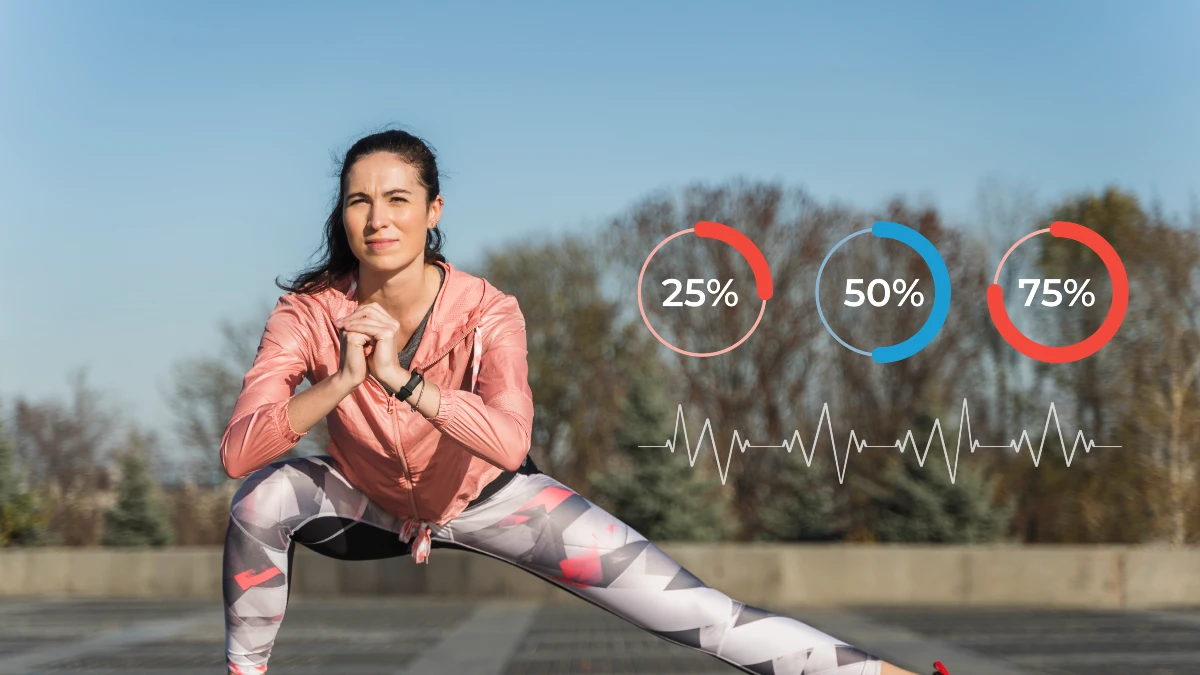
These next 2–3 minutes are dedicated to light resistance and dynamic movement for your core Senior Cardio movers. The goal is to safely engage major muscle groups to maximize blood flow and provide resistance training, which is vital for Heart Health After 60.
1. Ankle and Wrist Circles (30 seconds each)
Start by paying attention to your extremities, where circulation often slows first. These simple exercises are crucial for joint mobility and preparing the system for the day.
- Ankles: Stand (holding a chair for support if needed) and lift one foot. Slowly rotate your ankle in smooth, wide circles 10 times clockwise, then 10 times counter-clockwise. Switch feet.
- Wrists: Hold your arms straight out and rotate your wrists inward and outward 10 times in each direction.
2. Wall Push-ups (1 minute)
Resistance training is non-negotiable for improving body composition (more muscle, less fat), which indirectly supports a healthier heart. A Wall Push-up is a perfectly safe way to incorporate this into your 5-Minute Morning Ritual.
- Actionable Tip: Stand about an arm’s length from a sturdy wall or a kitchen counter. Place your palms flat against the surface, slightly wider than shoulder-width.
- Slowly bend your elbows, lowering your chest toward the wall (or counter). Hold for a second, then push back up. Aim for a pace of 2 seconds down, 1 second hold, 2 seconds up. Repeat for 60 seconds.
3. Seated/Standing Leg Lifts (1 minute)
After stimulating your upper body, we focus on engaging the large leg and core muscles. This pumps a significant volume of blood back toward the heart, making it an excellent circulation booster.
- Standing: Hold onto a stable surface. Slowly lift one leg straight out in front of you until it is parallel with your hip, hold for 1 second, and lower. Alternate legs for the minute.
- Seated (for limited mobility): Sit tall in a firm chair. Slowly extend one leg straight out until the knee is locked. Hold for 2 seconds and slowly lower. Alternate legs.
Step 3: Hydration and Mindfulness Cool-Down (Last 1 Minute)

You’ve completed the movement. The final minute isn’t just a cool-down; it’s a critical transition for your heart and mind, cementing the benefits of the 5-Minute Morning Ritual.
Immediate Hydration
The vital, yet often overlooked, first step: immediately drink a full glass of lukewarm (not ice-cold) water. Warm water acts as a mild vasodilator it helps blood vessels expand which enhances the improved circulation you just achieved.
- Actionable Tip: Prepare a glass of water on your bedside table the night before. Drinking it immediately after you complete your movement helps rehydrate and gently stimulates your digestive system for the day.
Deep Breathing for Stress Relief
The physical activity raised your heart rate. Now, you’ll actively lower it using mindfulness. Stress is a key factor in cardiovascular disease risk, and deep breathing is a powerful, instant tool to manage it.
Technique: Use the “4-7-8” breathing method. Sit comfortably and close your eyes.
Inhale quietly through your nose for a count of 4.
Hold your breath for a count of 7.
Exhale completely through your mouth, making a whoosh sound, for a count of 8.
Expert Insight: This simple exercise activates the parasympathetic nervous system, which directly lowers the heart rate and blood pressure, confirming the physical benefits of your 5-Minute Morning Ritual.
Finish this minute feeling energized, calm, and ready. You have invested in your health, and the dividends start immediately.
Conclusion
You no longer have to feel overwhelmed by the need for strenuous exercise. The three-step, science-backed 5-Minute Morning Ritual the Brisk Primer, Dynamic Circulation Boosters, and the Hydration/Mindfulness Cool-Down is the accessible path to transforming your heart health after 60.
This routine immediately improves your blood flow, lowers stress, and builds the consistency required for lasting health. By incorporating these small bursts of activity, you are actively interrupting sedentary risks and contributing to the recommended weekly exercise goals.
It’s time to set a reminder and commit to this ritual for 21 days to form a permanent, life-changing habit. Start tomorrow. It’s time to invest just 5 minutes a day for a lifetime of better Senior Cardio.