
Most of us think that drinking a glass of milk is the only way to keep our bones from getting brittle. But your skeleton is a living thing that needs more than just a carton of dairy to stay strong. If you aren’t eating a variety of minerals, your body starts “borrowing” them from your frame, which is how the trouble starts.
I’ve put together a list of seven superfoods that usually get ignored at the store but are actually heavy hitters for your health. These aren’t just “trends” they are backed by real university research. Let’s look at how you can stop bone breakdown and start feeding your frame the right way.
1. Prunes
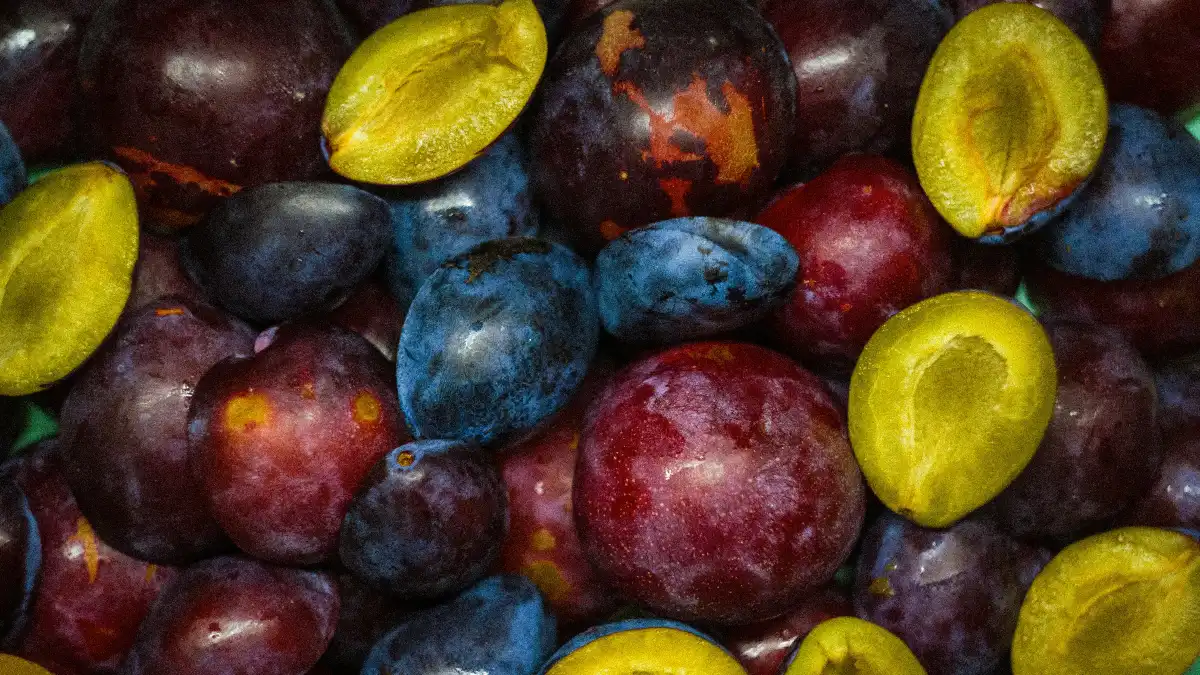
Most people only think about prunes when they are joking about staying “regular.” But these dried fruits are actually a secret weapon for your skeleton because they help slow down bone loss. They contain specific nutrients that stop your body from eating away at its own bone tissue.
Researchers at Florida State University found that eating prunes daily can really boost your bone mineral density. Their study showed that the mix of boron and Vitamin K helps your body keep the minerals it already has. It is one of the easiest ways to protect yourself without taking a handful of pills.
I usually just toss three or four into my morning oatmeal or a bowl of yogurt. You don’t need a ton of them to see a difference in your long-term health. It’s a small, sweet habit that your future self will definitely appreciate when you’re still moving well years from now.
2. Turnip Greens
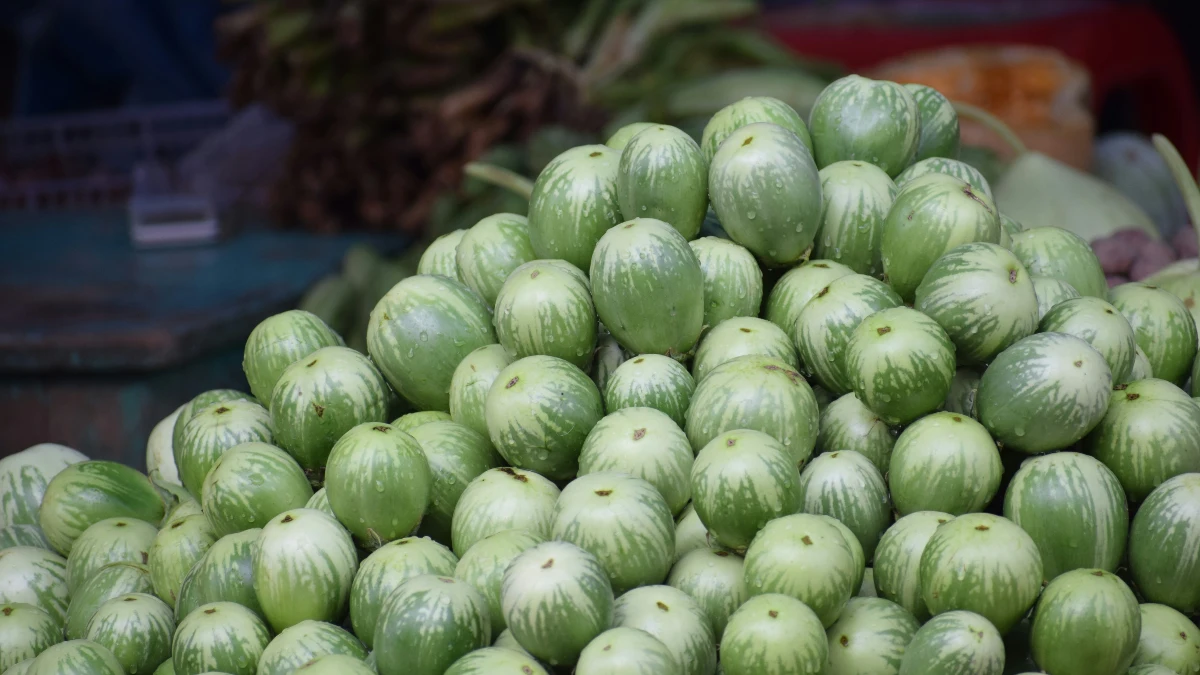
Everyone talks about kale, but turnip greens are the real heroes of the produce section that nobody buys. One cup of these cooked greens gives you about 20% of your daily calcium in one go. They are a perfect choice if you want to keep your skeleton strong without eating a lot of cheese.
A study from the Harvard T.H. Chan School of Public Health pointed out that the Vitamin K in these greens is a total game-changer. This vitamin acts like a “glue” that helps calcium stick to your bone structure so it doesn’t just wash away. It’s not just about getting calcium; it’s about making sure it actually stays in your body.
If you find them a bit bitter, try sautéing them with some garlic and a splash of lemon juice. They are also great in a big pot of soup where they can soak up all the other flavors. It’s a cheap way to get a massive nutritional win for your frame every single week.
3. Canned Salmon
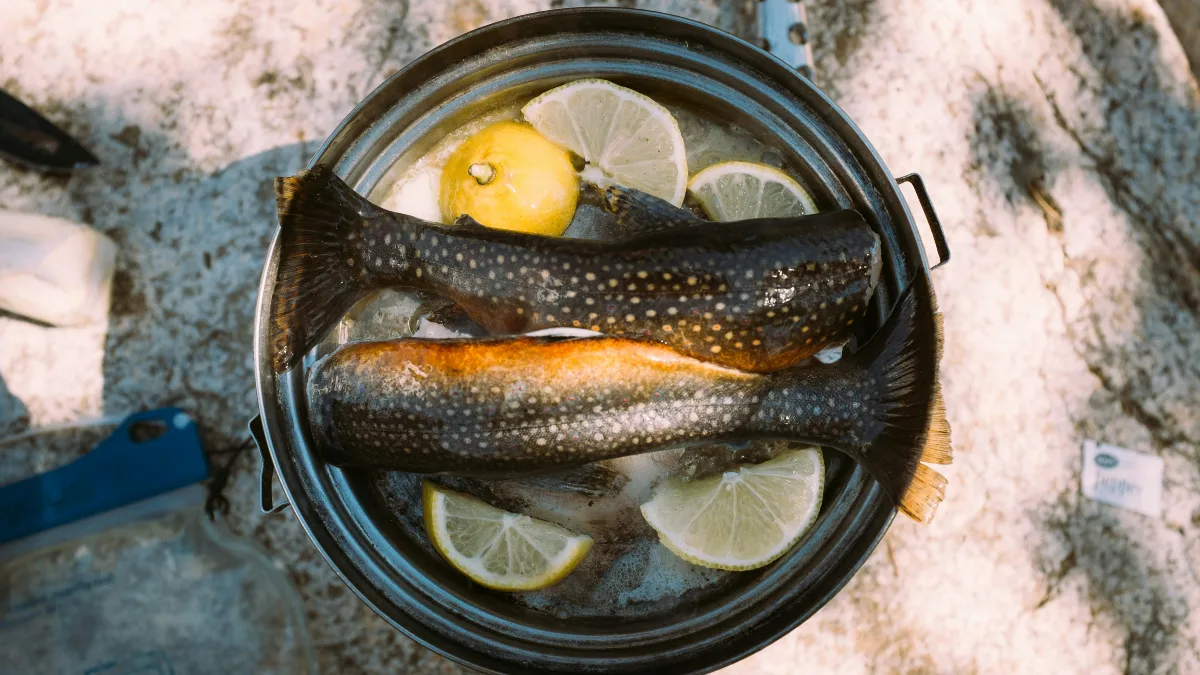
Eating “fish bones” might sound a bit weird at first, but it is one of the best things you can do for your health. In canned salmon, those tiny bones are so soft that you can mash them right into the meat with a fork. They are a source of calcium that your body can absorb almost instantly.
According to research from Oregon State University, canned salmon is a “dream team” because it has both Vitamin D and calcium. Your body literally cannot absorb calcium if you don’t have enough Vitamin D, so this food does the hard work for you. It’s like a built-in delivery system for your structural health.
You can whip up some quick salmon patties for dinner or just mix it into a salad for a fast lunch. It is way more affordable than buying fresh fillets and actually better for your bones because of those soft bits. Once it’s mixed with a little mustard or lemon, you won’t even notice the bones are there.
4. Blackstrap Molasses
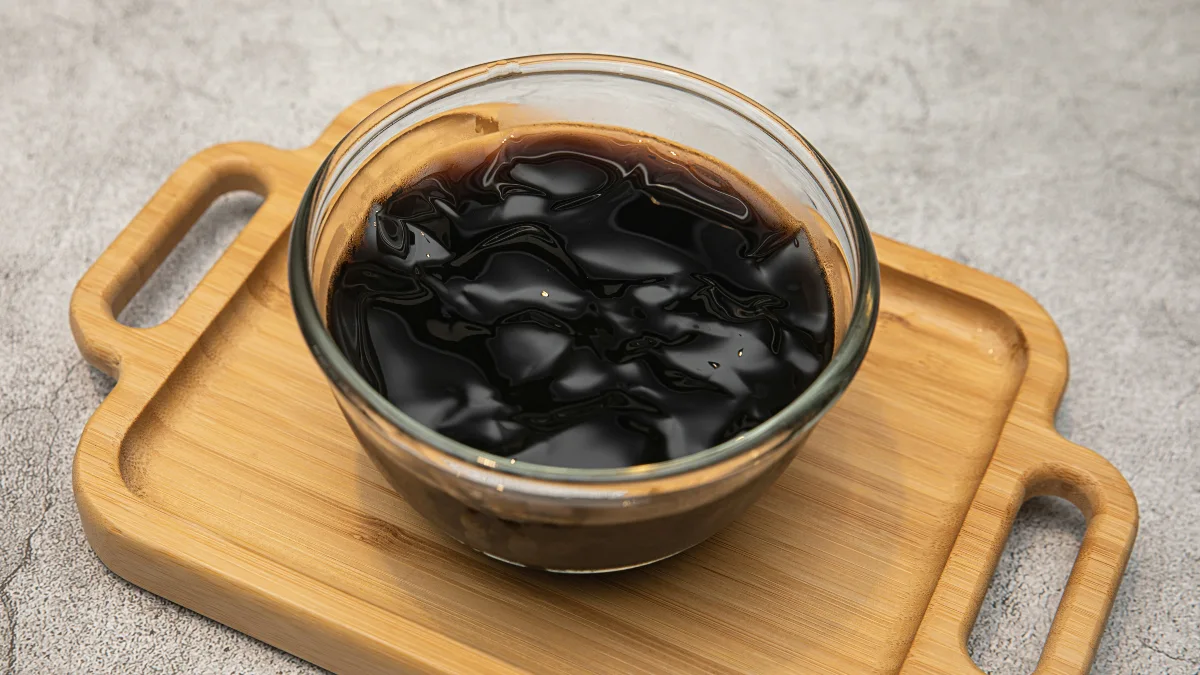
If you want a smarter way to sweeten your food, you should grab a jar of blackstrap molasses. Unlike white sugar, which doesn’t offer anything but calories, this thick syrup is loaded with minerals. It is a concentrated source of the stuff your bones crave to stay dense and heavy.
Data from Purdue University shows that just one tablespoon of this syrup gives you about 41 mg of calcium. It’s also a great source of magnesium, which is a mineral that helps your body build the actual “webbing” of your bones. It’s basically a natural mineral supplement that you can keep in your pantry.
I like to stir a spoonful into my morning coffee or use it as a glaze for roasted sweet potatoes. It has a very deep, bold flavor that adds a lot of character to your cooking. It’s a simple switch that makes your morning routine work a lot harder for your health.
5. Figs
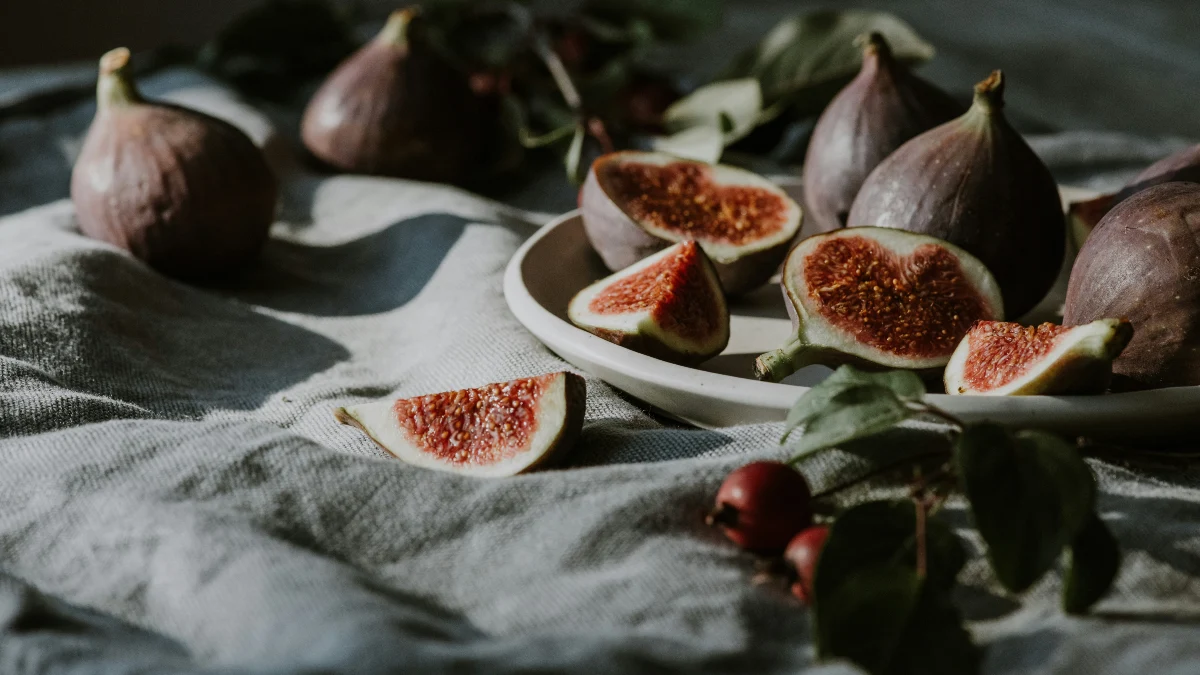
Figs are like nature’s candy, but they are also a “skeleton-saving” fruit that most of us forget to buy. Whether you get them fresh or dried, they provide a mix of calcium, potassium, and magnesium. These three minerals work together to keep your bone density exactly where it needs to be as you age.
Research from the University of California, Davis suggests that the potassium in figs is vital for protecting your frame. It helps neutralize the acids in your body that can sometimes cause calcium to “leach” out of your bones. So, figs aren’t just adding minerals; they are acting like a shield for the ones you have.
You can slice fresh figs over a salad or just keep a bag of dried ones in your car for a quick snack. They are way more satisfying than a processed snack bar and much better for your long-term strength. Plus, they feel like a treat because they are naturally so sweet.
6. Almond Butter
Nut Butter Showdown
Why making the switch matters for your bones
Essential for converting Vitamin D into its active form.
Antioxidant that protects bone mass from oxidative stress.
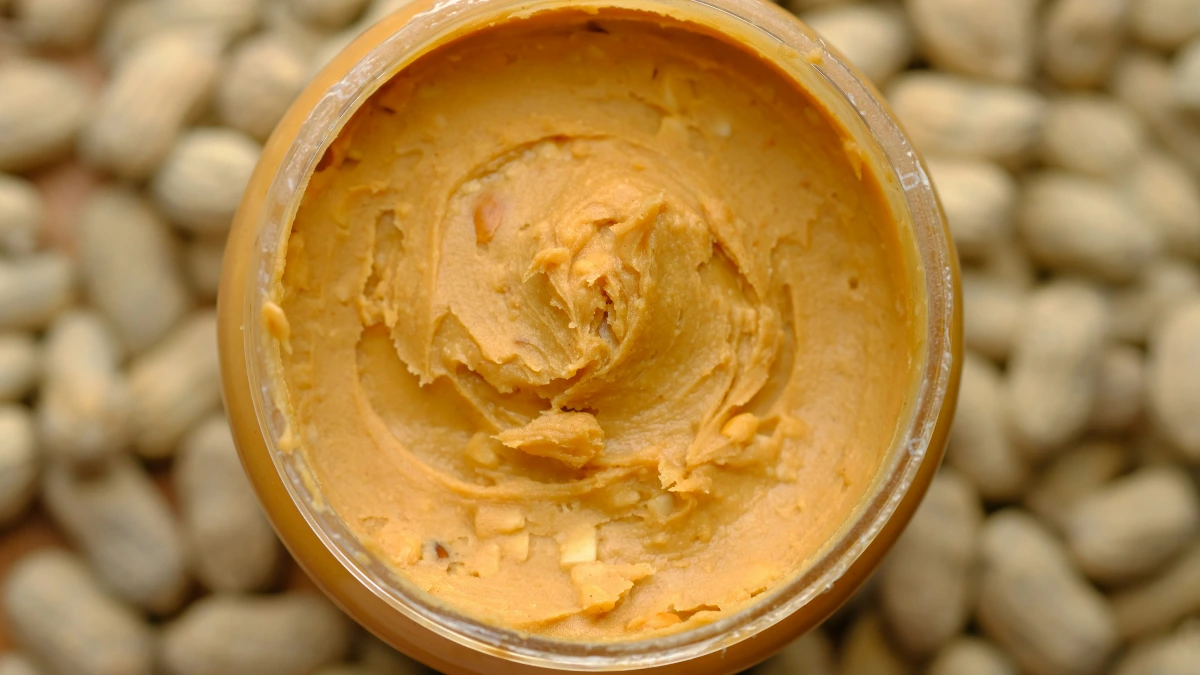
If you’re still buying peanut butter every week, you might want to try almond butter instead. Two tablespoons of the stuff pack 111 mg of calcium, which is a huge upgrade for your morning toast. It’s also full of protein and potassium, which are the building blocks of a healthy body.
Scientists at Loma Linda University have found that diets rich in nuts help keep bones strong as we get older. They discovered that the healthy fats in almonds help your body store and use minerals much more effectively. It’s a delicious way to support your skeleton without it feeling like a chore.
It’s great on apple slices or swirled into a bowl of warm oatmeal for breakfast. Since it is so filling, it keeps you energized for hours while it quietly strengthens your frame. It’s one of those easy pantry swaps that pays off big time in the long run.
7. Bok Choy
The Bioavailability Factor
Vs. SpinachIt’s not just about how much calcium is in the vegetable, but how much your body can actually use.
Crucial for binding calcium to the bone matrix.
Hydration is key for spinal disc health and joint lubrication.
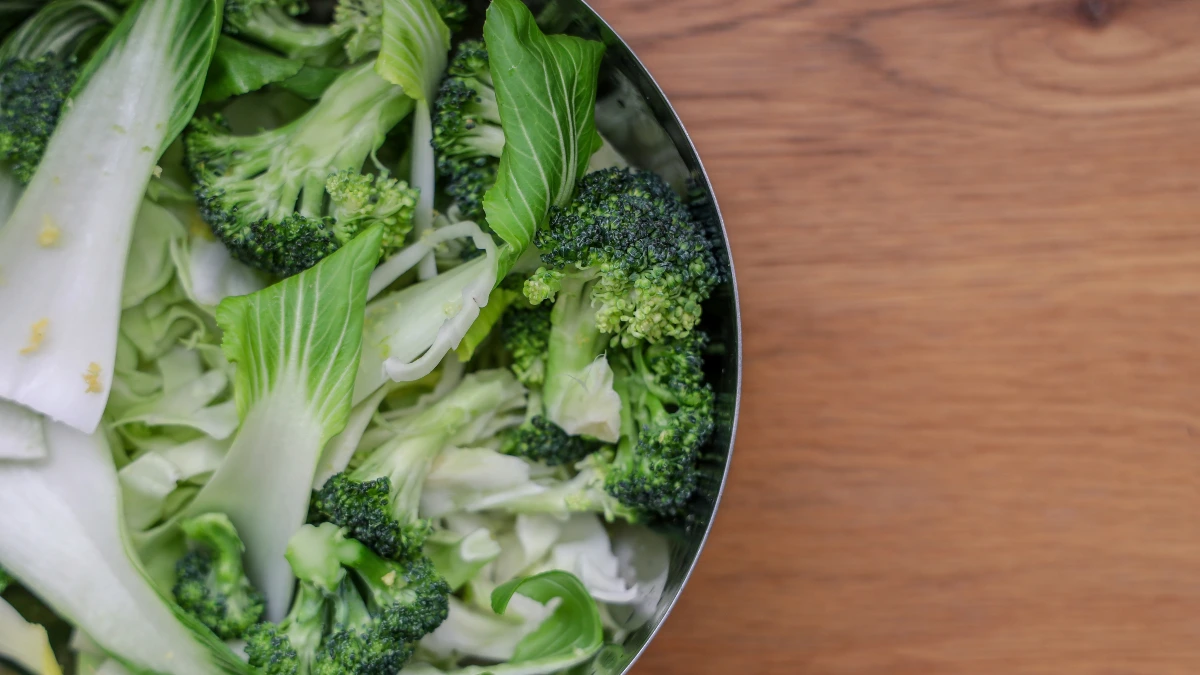
Bok choy is a leafy green that many people skip over, but it’s actually better for you than spinach. While spinach has compounds that can block your body from taking in calcium, bok choy is the opposite. The calcium in this crunchy green is very easy for your body to actually use.
The University of Hawaii has shared research showing how cruciferous veggies like bok choy are essential for non-dairy bone health. It’s also packed with Vitamin C, which your body needs to make the collagen that keeps bones flexible. It’s a total package for staying strong and avoiding fractures.
The best way to eat it is to chop it up and throw it into a quick stir-fry with some ginger. It stays nice and crunchy and doesn’t shrink down to nothing when you cook it. It’s a fresh, easy way to get your greens in without the boredom of a basic salad.