You know the drill. It’s Saturday morning, you’re standing in the grocery aisle, and you hesitate before grabbing a carton of eggs. For decades, we’ve been conditioned to see that humble yolk as a “heart attack waiting to happen.” It’s the classic breakfast dilemma: do I choose the food I love, or the food that keeps me alive?
Science has changed. For years, well-meaning health advice labeled eggs as “artery-clogging” villains solely because they are high in dietary cholesterol. But we now know that biology is far more complex than we thought.
Groundbreaking consensus has fundamentally shifted the blame away from the cholesterol in your egg and placed it squarely on the saturated fats that usually sit next to it on the plate—like bacon and butter.
The Science Shift: Saturated Fat vs. Dietary Cholesterol
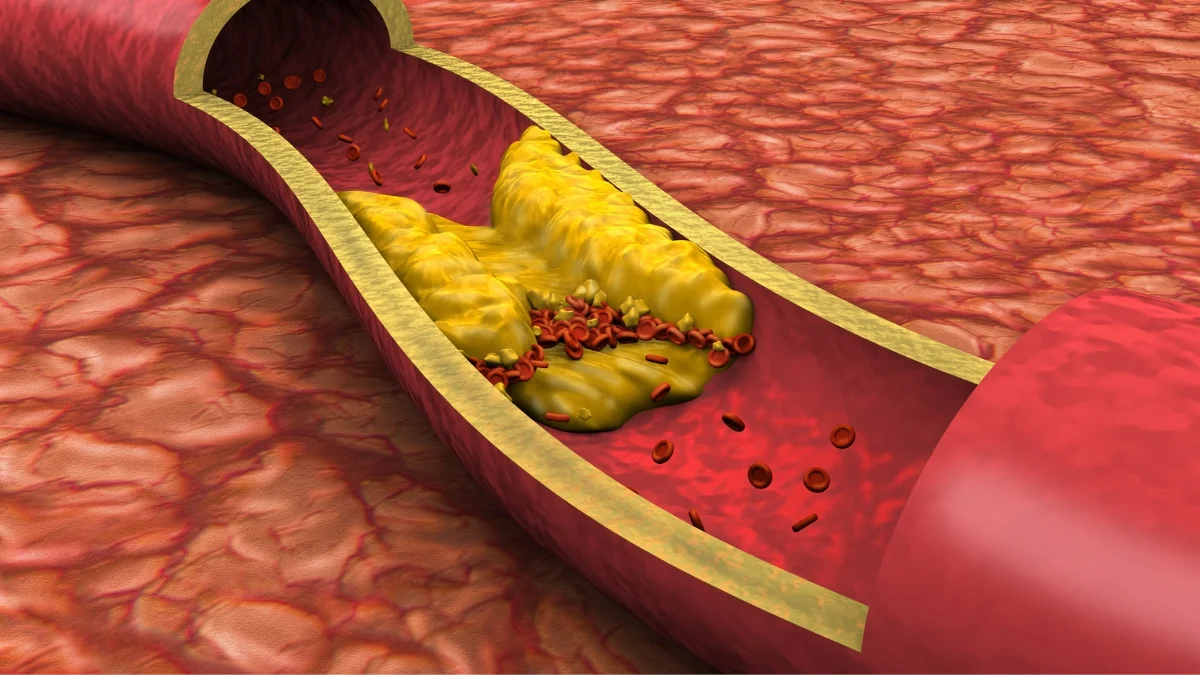
If you only remember one thing from this article, let it be this: Cholesterol you eat is not the same as the cholesterol clogging your arteries.
The Liver’s Balancing Act Most people assume that if you eat 100 mg of cholesterol, it goes straight into your blood. In reality, your body has a sophisticated internal thermostat. Your liver produces about 80% of the cholesterol in your body naturally, while diet contributes only about 20%. When you eat more cholesterol-rich foods like eggs, your liver smartly “downregulates,” producing less of its own to maintain balance. This is known as the “Compensation Mechanism.”
Recent comprehensive analyses, including data highlighted in The American Journal of Clinical Nutrition, have confirmed what many nutritionists suspected: for the vast majority of people, dietary cholesterol has a negligible impact on blood cholesterol levels. The study found that eating up to two eggs a day in the context of a low-saturated-fat diet did not significantly raise LDL (“bad”) cholesterol or CVD risk.
The real driver of high blood cholesterol? Saturated fat. This type of fat (found in red meat, full-fat dairy, and tropical oils) “short-circuits” the liver’s LDL receptors, preventing it from clearing bad cholesterol from your blood.
The Real Villain: What You Eat With Your Eggs

The reason eggs got such a bad reputation wasn’t entirely their fault—it was “guilt by association.”
The Western Diet Trap Think about a typical American breakfast: two fried eggs, three strips of bacon, white toast slathered in butter, and hash browns. In nutritional studies, it was difficult to separate the egg from the company it kept. The bacon and butter are loaded with saturated fat, which, as we now know, is the primary trigger for raising LDL levels.
Actionable Swap: The “Heart-Healthy” Upgrade You don’t need to ditch the egg; you just need to fire the entourage.
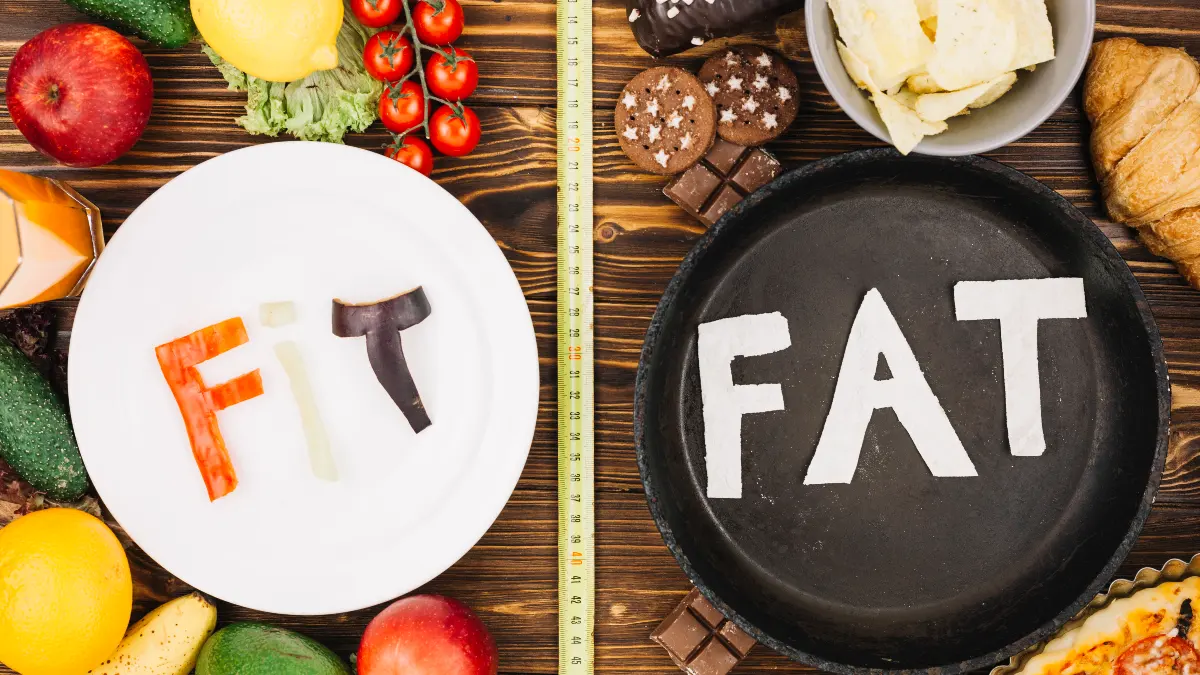
- The High-Risk Breakfast: 2 eggs fried in butter + 3 strips of bacon + white toast. (High Saturated Fat)
- The Heart-Healthy Breakfast: 2 poached eggs + 1/2 avocado + sautéed spinach. (High Fiber, Healthy Fats)
According to recent findings from the American Heart Association (AHA), replacing saturated fats with polyunsaturated fats (like those in avocado or olive oil) reduces heart disease risk significantly more effectively than simply cutting out dietary cholesterol.
Updated Daily Limits (Who Can Eat What?)

While the strict “300mg limit” is gone, nutrition is rarely one-size-fits-all. Here is the current consensus on safe limits:
- Healthy Adults: The “green light” is on. Research supports eating 1 whole egg per day as part of a heart-healthy diet. For older adults with normal cholesterol levels, up to 2 eggs per day is considered acceptable and beneficial for muscle retention.
- At-Risk Groups: If you have Type 2 Diabetes, high LDL cholesterol, or existing heart disease, caution is still warranted. The current recommendation is to limit intake to 4–7 egg yolks per week. However, you can eat unlimited egg whites.
- The “Hyper-Responder” Exception: Genetics play a role. Approximately 25–33% of the population are what scientists call “hyper-responders.” For these individuals, dietary cholesterol does cause a spike in blood cholesterol. If you notice your numbers rising despite a clean diet, ask your doctor to test specifically for this genetic sensitivity.
The Nutrient Powerhouse (Why You Should Eat the Yolk)

By throwing away the yolk, you are throwing away nearly all the nutrition. The white is mostly protein, but the yolk is where the magic happens.
- Choline: One of the richest natural sources of choline, a nutrient critical for brain health and cell membrane structure. Surveys show most Americans are deficient in this essential compound.
- Eye Protection: Yolks are packed with Lutein and Zeaxanthin, powerful antioxidants that accumulate in the retina and protect your eyes from age-related degeneration.
- Protein Quality: One large egg provides about 6g of high-quality protein containing all nine essential amino acids, making it one of the most bioavailable sources of repair fuel for your body.
3 Heart-Healthy Ways to Cook Eggs

How you cook your egg matters as much as the egg itself. A healthy egg fried in a pool of bacon grease becomes an unhealthy meal.
- The Poach or Boil (Zero Added Fat): Cooking eggs in water eliminates the need for oil entirely. Hard-boiled eggs make for a perfect, portable snack that keeps you full without spiking your blood sugar.
- The Veggie-Loaded Frittata: Use eggs as a vehicle for fiber. Whisk eggs with spinach, mushrooms, onions, and peppers. The soluble fiber in the vegetables actively helps bind to cholesterol in the digestive system and flush it out of the body.
- The “Low-Heat Scramble”: Instead of butter, scramble your eggs in a non-stick pan with a teaspoon of olive oil or just a splash of water/milk. Season with turmeric and black pepper for an anti-inflammatory boost.
Conclusion
The verdict is in: the egg is innocent. The 2025 approach to heart health is about looking at the big picture rather than demonizing single ingredients. The real enemy is saturated fat, not the cholesterol found naturally in a nutrient-dense yolk.
So, tomorrow morning, don’t be afraid to crack that egg. Just swap the side of bacon for a side of berries or avocado. Your heart—and your taste buds—will thank you.