
You wake up with a dull throb in your jaw. It’s annoying, but you’re busy. You take an ibuprofen and tell yourself, “It’s just a tooth. I’ll deal with it later.”
But if you are over 50, that delay is dangerous.
As we age, our bodies change. Your immune system isn’t as fast as it used to be. The barrier that protects your brain gets thinner. Because of these changes, tooth infection health risks over 50 are much higher than they were in your 30s.
This is the “Mouth-Body Connection.” It means your mouth is not separate from the rest of you. It is the gateway to your blood supply.
A single infected tooth is like a factory. It produces dangerous inflammation and bacteria. These don’t stay in your gums. They travel to your heart, your joints, and even your brain.
Here is why ignoring that dull ache could cost you much more than just a tooth.
The “Silent” Highway: How Mouth Bacteria Enters Your Bloodstream
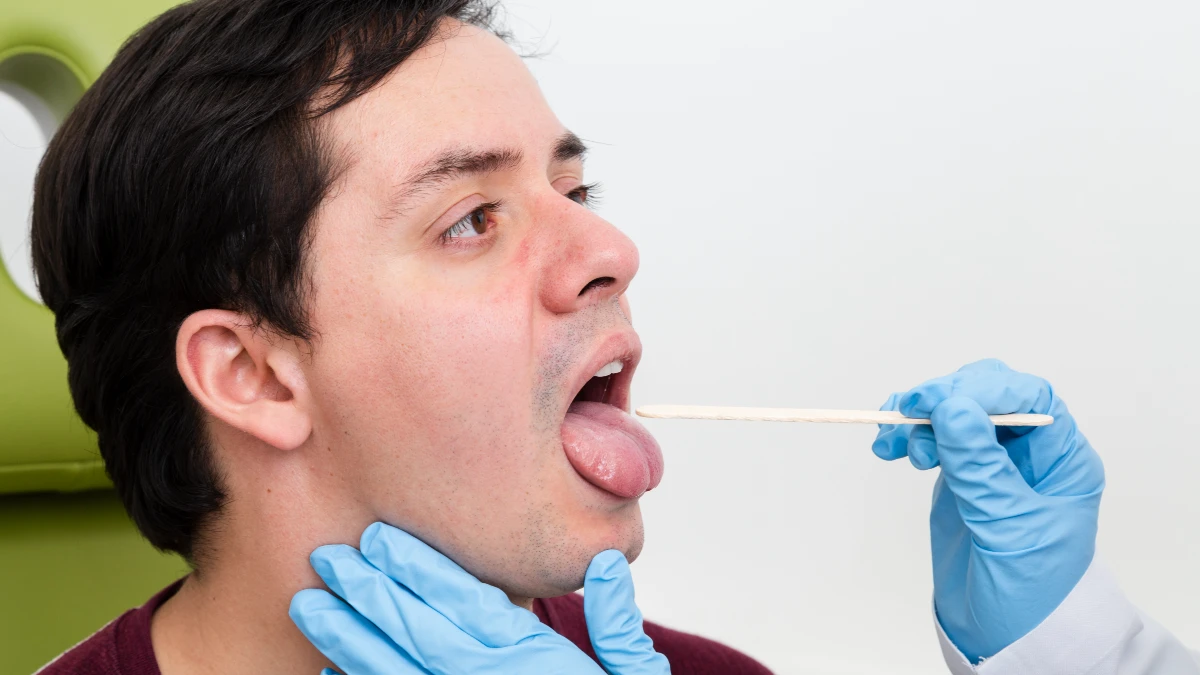
Your gums are full of blood vessels. This is usually a good thing because it brings nutrients to your teeth. But when you have an infection, this highway runs the wrong way.
Think of healthy gums like a tight seal around your teeth. When that seal breaks due to gum disease or an abscess, you get “Leaky Gum” syndrome.
It is like having an open wound the size of your palm inside your mouth.
Bacteria, specifically aggressive types like Porphyromonas gingivalis, use this open door. They slip into your blood vessels. Once they are in your blood, they can go anywhere in your body in minutes.
Why is this worse after 50? Many older adults have receding gums. You might also have a drier mouth due to blood pressure medications. Oral bacteria enter the bloodstream much easier in a dry, receding mouth than in a healthy, youthful one.
The Heart Hazard: Arterial Plaque & Inflammation

For years, doctors suspected a link between bad teeth and bad hearts. Now, the proof is hard to ignore.
According to data from Harvard and the American Heart Association, people with gum disease have a 2-3 times higher risk of having a heart attack or stroke.
It isn’t just a coincidence. Researchers have actually found oral bacteria inside the plaque clogging people’s arteries.
When these bacteria land in your heart vessels, they trigger inflammation. Your body tries to fight them off. This fight causes your arteries to swell and narrow.
2025 Research Update: Recent studies show that periodontal disease and heart health are tightly linked. The good news is that intensive deep cleaning of the gums can actually slow down the thickening of your arteries. Fixing your teeth helps your heart pump easier.
Ignoring cardiovascular risk factors is dangerous. Ignoring the one in your mouth is a mistake you can fix today.
The Brain Drain: Is Your Tooth Pain Linked to Memory Loss?

This is the most frightening connection, but it is also the most important reason to act.
Scientists are finding strange things in the brains of Alzheimer’s patients. They are finding P. gingivalis, the exact same bacteria that causes gum disease.
How did it get there?
The theory is that chronic inflammation from a rotting tooth weakens the blood-brain barrier. This allows bacteria to cross into the brain. Once there, they may contribute to the buildup of beta-amyloid plaques. These plaques are the hallmark of Alzheimer’s disease.
Dental health and dementia are connected by inflammation. If you have a painful tooth, your body is in a constant state of high alert. This stress damages your brain over time.
The Alzheimer’s gum disease link suggests that brushing, flossing, and treating infections aren’t just for your smile. They are for your memories.
The Diabetes Loop: A Dangerous Two-Way Street
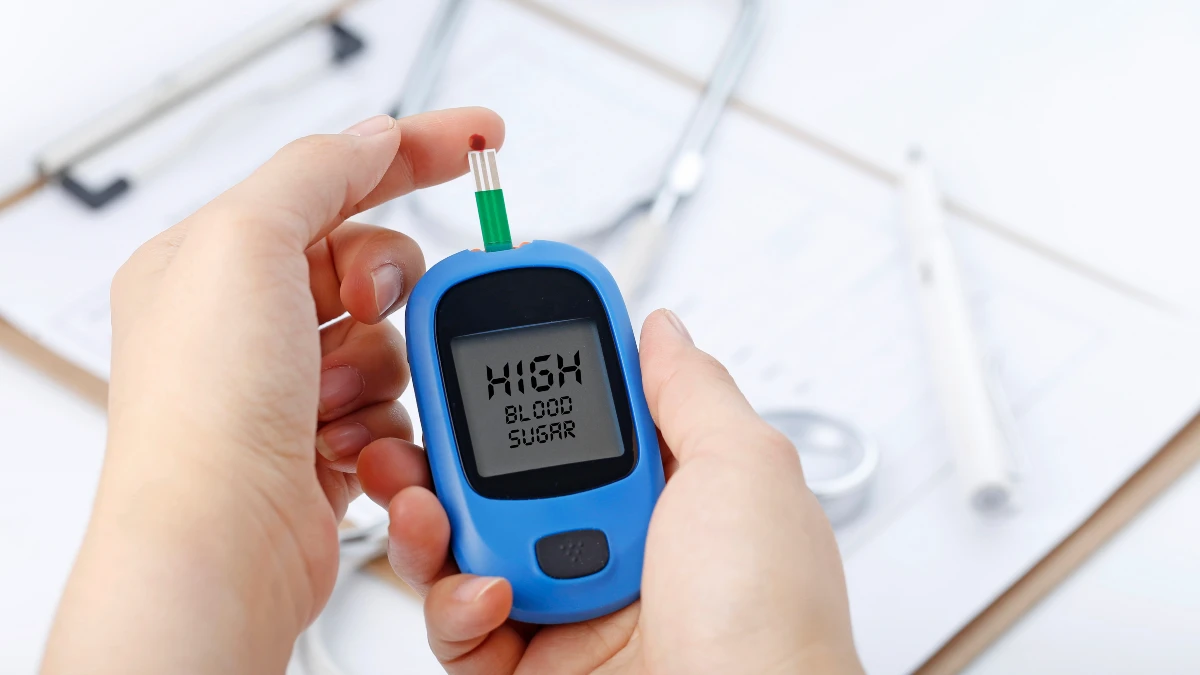
If you are managing Type 2 diabetes, a tooth infection can ruin your efforts.
It works like a loop. High blood sugar damages your gums, making infections more likely. But it goes the other way, too. An active infection in your mouth raises your blood sugar.
When your body fights an abscess, it releases stress hormones. These hormones spike your glucose levels.
The Data: Treating gum disease can lower your HbA1c levels by about 0.4%. That might sound small, but it is roughly the same effect as adding a second diabetes medication.
If you are struggling with diabetes and oral health, check your teeth. You might be fighting a losing battle against your blood sugar because of a hidden infection. Treating the tooth is a natural way of lowering A1C naturally.
Sepsis & The “Sudden” Emergency

Most people think a toothache is a slow problem. But for adults over 65, it can turn into a life-threatening emergency overnight.
This emergency is called Sepsis.
Sepsis is the body’s extreme, toxic response to an infection. It damages your own tissues and organs. Untreated dental abscess dangers include the infection spreading to the floor of your mouth or your neck, cutting off your airway.
CDC data shows that older adults are at the highest risk for sepsis.
Know the Warning Signs: A normal toothache hurts. A dangerous infection looks like this:
- Fever or chills.
- Swelling that moves under your eye or down your neck.
- Difficulty swallowing or breathing.
- Confusion or extreme fatigue.
If you see these sepsis symptoms, do not wait for a dentist appointment. Go to the emergency room.
The Financial Reality: Extraction vs. Saving the Tooth

Many people avoid the dentist because they fear the bill. You might think, “I’ll just pull the tooth. It’s cheaper.”
This is a financial trap.
Let’s look at the real numbers.
- Root Canal & Crown: This might cost between $800 and $1,500. It fixes the pain and you keep your natural tooth.
- Extraction: This costs about $200 upfront. It seems cheap.
But here is the catch. When you pull a tooth, your jawbone starts to melt away. Your other teeth shift and become loose. To fix that, you need a bridge or an implant.
- Dental Implant: Costs $4,000+.
- Bridge: Costs $3,000+.
The cost of delaying dental treatment is high. The root canal vs implant cost comparison shows that saving the tooth is almost always the smarter financial move.
As dentists often say: “The most expensive dentistry is neglect.”
Your 2026 Action Plan
You now know the risks. A tooth infection is not just a nuisance. It is a threat to your heart, your brain, and your bank account.
Don’t panic. Just take action.
Here is what to do next:
- Book a Comprehensive Exam: Don’t just ask for a cleaning. Ask for a periodontal exam.
- Check the Pockets: Ask your hygienist if you have gum pockets deeper than 4mm. This is where the dangerous bacteria hide.
- Treat Infections Now: If you have a broken or painful tooth, fix it immediately.