

Wellness doesn’t need to come with a luxury price tag, yet my feed is full of influencers selling $50 salt packets.
It is 2026. Inflation is still hitting our wallets hard. The cost of groceries is up, and the last thing you need is to waste money on products that don’t actually work. But “health” marketing is aggressive. It makes you feel like you must buy these powders and pills to be healthy.
I’m Elena, a Registered Dietitian. I hate seeing people waste their hard-earned money on useless products.
Many of these viral trends are what I call nutrition scams. They drain your wellness budget without improving your health. Today, I am exposing the 5 specific categories—including those popular “sugar-free” hacks—that I never buy. Let’s get back to basics and save you some money on healthy eating.
1. High-Sodium Electrolyte Powders (Like LMNT)

I’m going to start off spicy. One of the most profitable schemes for influencers right now is salt. You have probably seen people pushing fancy electrolyte powders like Element (LMNT). They claim it gives you energy and focus.
But let’s be honest: it is just expensive salt.
One single packet contains about 1,000mg of sodium. That is nearly half the daily limit for an adult. Marketing tells us we need more electrolytes, but most people already get plenty of sodium from processed foods and restaurant meals. The minerals we actually miss are potassium and calcium, not salt.
This worries me because I work primarily with women. Did you know women are six times more likely to die from Cardiovascular Disease than breast cancer? High salt intake is a major risk factor for high blood pressure and stroke.
Unless you are an extreme athlete dripping with sweat in the hot sun, you do not need this. You are paying $45 a box to season your water and risk your heart health.
Actionable Advice: Skip the powder. Eat a banana for potassium or drink a glass of milk. You will get the hydration you need without the massive sodium spike.
2. Untargeted “Daily” Probiotics
I am a huge fan of gut health. But the supplement industry has turned probiotics into a confusing cash grab.
Probiotics work like a “lock and key.” Different strains of bacteria fix different problems. For example, one strain might help with IBS, while another helps with constipation.
Taking a random “daily gut health” pill with no specific target is useless. It is like taking an iron supplement when you actually have a Vitamin D deficiency. It doesn’t fix the problem because it’s the wrong tool.
Most healthy people do not need to pop a pill every morning to have a healthy gut. The research just isn’t there to support it for the average person.
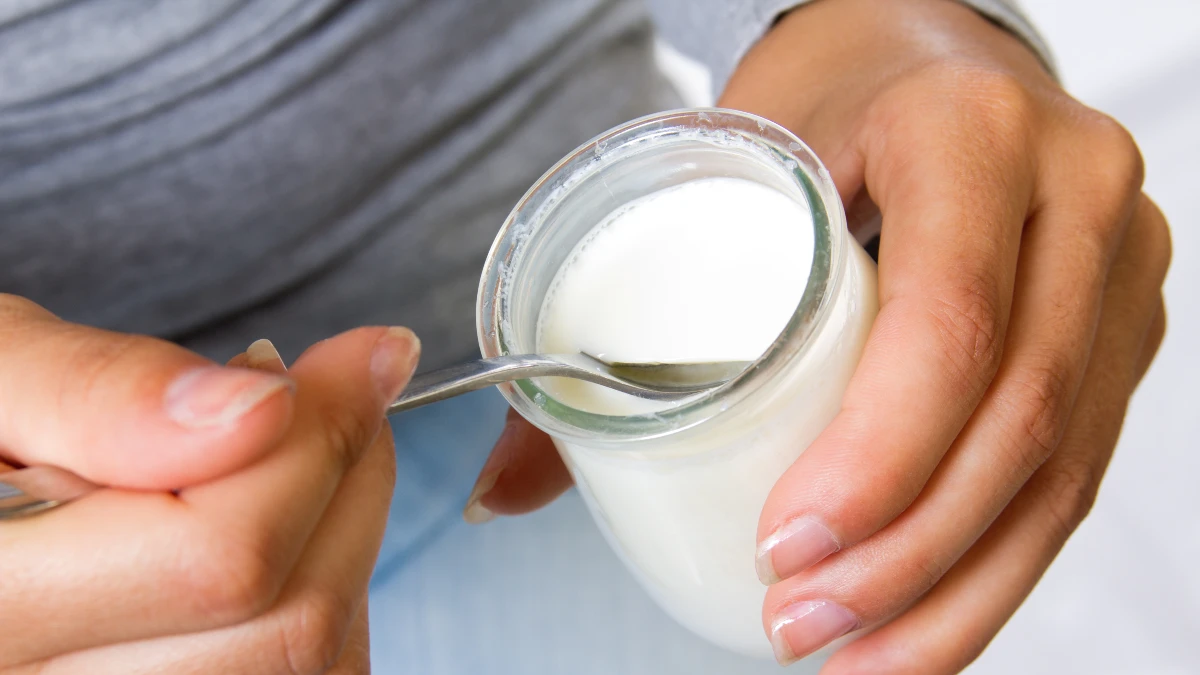
Actionable Advice: Save your money. If you have a specific gut issue, use the US Probiotic Guide (or the Canadian/UK versions) to find the exact strain you need. Otherwise, just eat yogurt, kefir, or sauerkraut.
3. Artificial Sweeteners in “Sugar-Free” Snacks

We all want to cut down on sugar. But when you grab a snack labeled “Sugar-Free,” you are usually eating artificial sweeteners like aspartame or sucralose.
The science on whether these damage your gut is still mixed. But as a dietitian, I see a clear behavioral problem: taste bud addiction.
Artificial sweeteners are hundreds of times sweeter than actual sugar. When you eat them all the time, your taste buds get used to that extreme level of sweetness. Suddenly, natural foods like an apple or berries taste like cardboard. They just aren’t sweet enough for you anymore.
This keeps you trapped in a cycle of craving hyper-sweet snacks, making it harder to stick to a balanced diet of whole foods.
Actionable Advice: Try “taste bud rehab.” Cut out artificial sweeteners for 2 to 4 weeks. It resets your palate. After a month, fruit will taste sweet again, and you won’t crave the fake stuff.
4. “Refined Sugar-Free” Baked Goods

You see these recipes and products everywhere. A baker or influencer promotes a brownie as “Refined Sugar-Free!” because they used honey, agave, or coconut sugar instead of white sugar.
Here is the truth the wellness industry hides: Sugar is still sugar.
Your body processes agave syrup almost the exact same way it processes table sugar. It still spikes your blood glucose levels. It still counts as added sugar. The only big difference is the price.
Coconut sugar can cost four times as much as regular sugar. Agave is expensive, too. You are paying a premium price for a health halo that doesn’t exist. Your body does not give you a gold star for swapping white sugar for honey.
Actionable Advice: If you want a cookie, eat a real cookie. Enjoy the real sugar in moderation. Don’t spend $10 on a bag of “healthy” sugar, thinking it will fix your diet.
5. “Nature’s Ozempic” Supplements (Berberine)

This is the biggest viral lie of the last year. Influencers are pushing herbs like Berberine as “Nature’s Ozempic.” They claim it mimics the effects of weight loss drugs like Wegovy.
Let me be very clear: No supplement matches the power of pharmaceutical drugs.
There is no herb, tea, or pill you can buy at a health store that mimics a GLP-1 agonist medication. This marketing preys on people looking for a quick fix. It promotes the idea that you need a magic pill to lose weight, rather than looking at your overall nutrition.
It keeps you focused on shortcuts instead of sustainable changes.
Actionable Advice: Stop looking for a magic pill. Focus on increasing your fiber and protein intake. These two nutrients actually keep you full and satisfied (satiety) without the empty promises.