

Hitting 50 is a milestone, but it often comes with a sudden realization: the skincare routine that worked for decades just isn’t cutting it anymore. Fine lines seem deeper overnight, and dryness feels impossible to shake no matter how much lotion you slather on.
While the beauty industry wants us to believe the answer lies in an expensive jar, dermatological science points to a different truth: real hydration starts in your gut, not on your face. Let’s look at nine foods that act as internal moisturizers to bring that bounce back.
1. Avocado – The Creamy Cellular Hydrator
Credit : Freepik
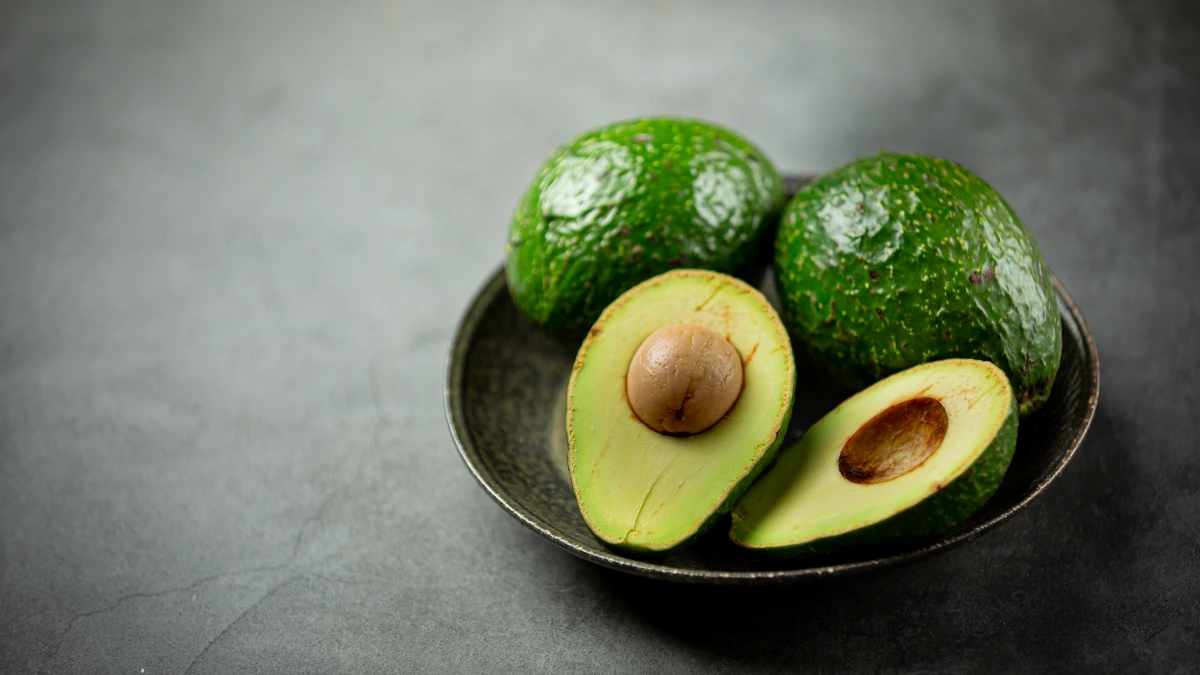
We often spread them on toast for breakfast, but avocados are doing heavy lifting beneath the surface. They are absolutely loaded with healthy monounsaturated fats that act like a waterproofing system for your cells. When you eat them, you aren’t just feeling full; you are essentially greasing the gears of your skin to fight back against the stiff, dry feeling that settles in after 50.
The science backs this up, too; a pilot study out of UCLA specifically found that women who ate avocados daily saw measurable improvements in elasticity. Unlike topical creams that sit on the surface, these nutrients dive deep to firm up the skin’s structure. It is fascinating to think that a simple dietary change can offer the kind of firmness we usually expect from high-end serums.
Think of this as your internal moisturizer that works 24/7 to keep your complexion bouncy and resilient. Instead of relying solely on vitamin E oils that rub off on your pillowcase, eating avocados delivers that vitamin E directly to the skin layers where deep wrinkles form. It is the tastiest way to ensure your face stays soft, pliable, and incredibly touchable.
2. Olive Oil – Liquid Gold for a Barrier Seal
Credit : Freepik
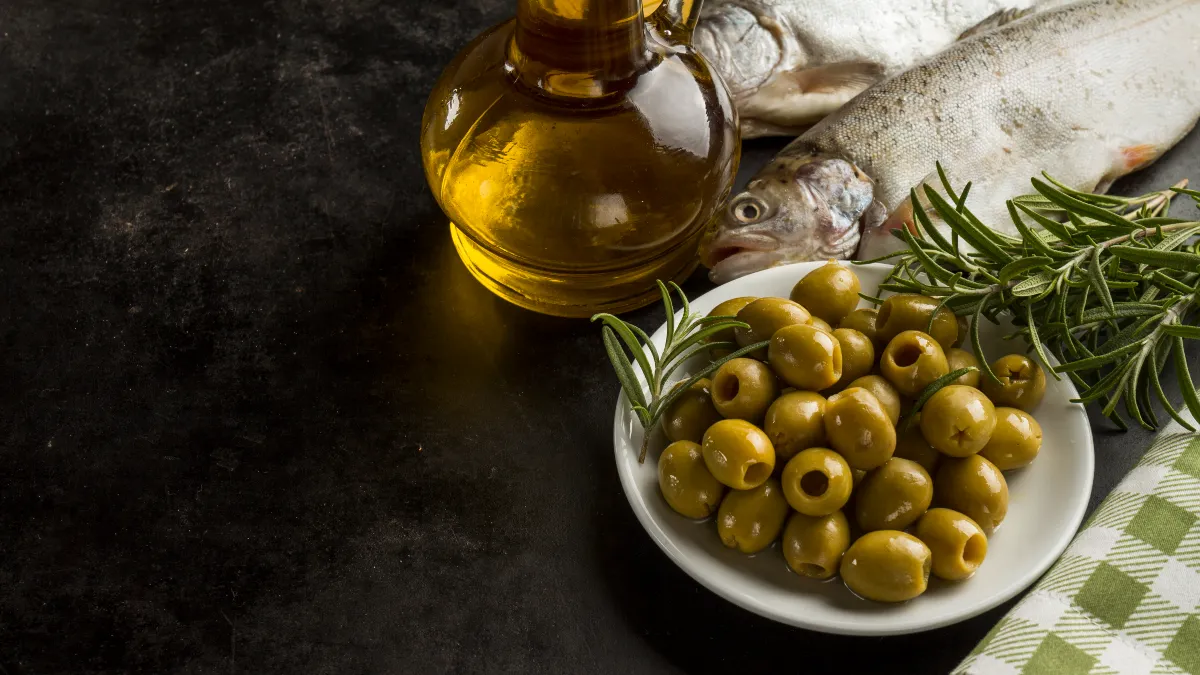
There is a reason women in the Mediterranean region seem to age so gracefully, and it often comes down to their generous use of olive oil. This “liquid gold” does more than dress a salad; it mimics the natural oils our skin stops producing as we get older. By drizzling this over your meals, you are feeding your body the essential fats it needs to keep your skin barrier intact and functioning.
Researchers have studied the Mediterranean diet for years, linking the massive polyphenol content in olive oil to significantly lower signs of photoaging and sun damage. These antioxidants act like a shield, protecting your delicate skin cells from the daily wear and tear of the environment. It is a proactive way to lock moisture in, rather than just trying to add it back later.
When you consume high-quality extra virgin olive oil, you are helping to prevent that thin, papery texture that can be so frustrating to see in the mirror. It acts as a natural seal, trapping hydration inside the skin so you maintain a supple glow throughout the day. It’s a simple kitchen staple that doubles as a powerful tool against dryness and roughness.
3. Fatty Fish – The Omega-3 Glow Getter
Credit : Freepik
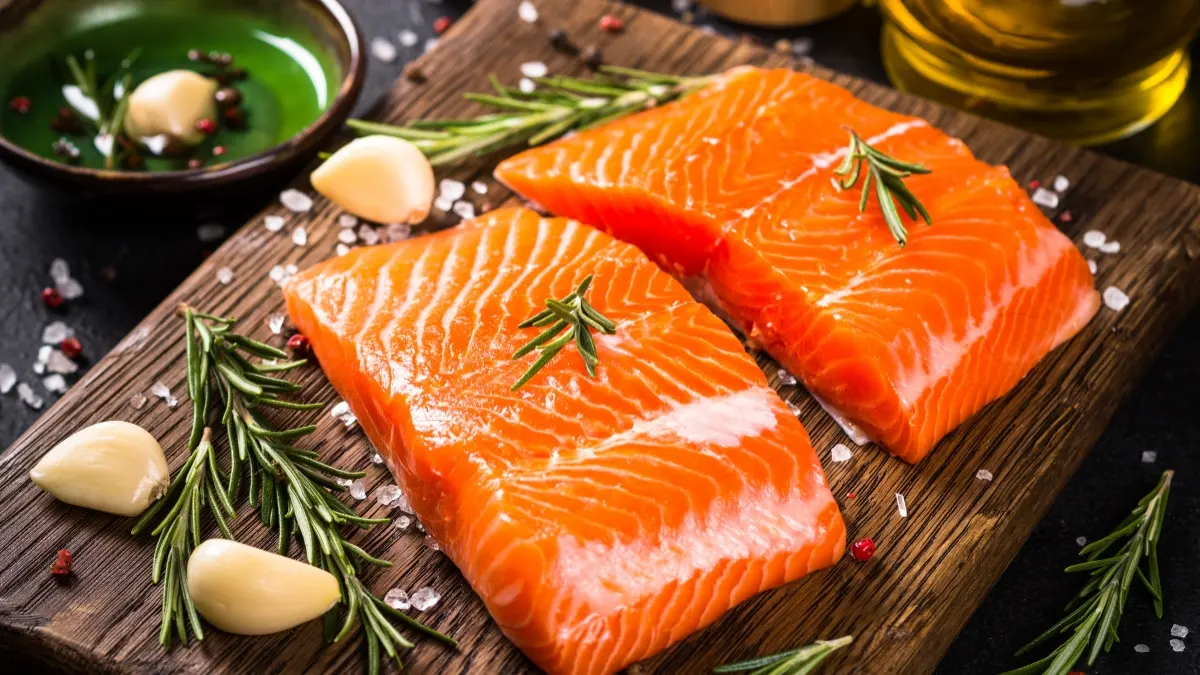
If you are constantly battling dry, itchy patches or redness that makeup just won’t cover, fatty fish like salmon and mackerel are your best friends. These fish are packed with Omega-3 fatty acids, which are non-negotiable for calming inflammation at a cellular level. Without these healthy fats, your skin cells can become rigid and dry, losing that soft luster we associate with youth.
Dermatological journals consistently publish research showing that these specific fats strengthen the skin’s lipid barrier better than almost anything else. When this barrier is strong, it keeps essential moisture locked in and keeps irritants out. It is a biological upgrade for your skin, allowing it to hold onto water more efficiently than it could on its own.
Aiming for a few servings a week can give your skin that subtle, healthy sheen that signifies true, deep hydration. It’s the difference between looking oily from a heavy cream and looking radiant from within. By nourishing your skin with these oils, you are treating the root cause of dryness rather than just masking the symptoms.
4. Nuts – Small Bites, Big Protection
Credit : Freepik
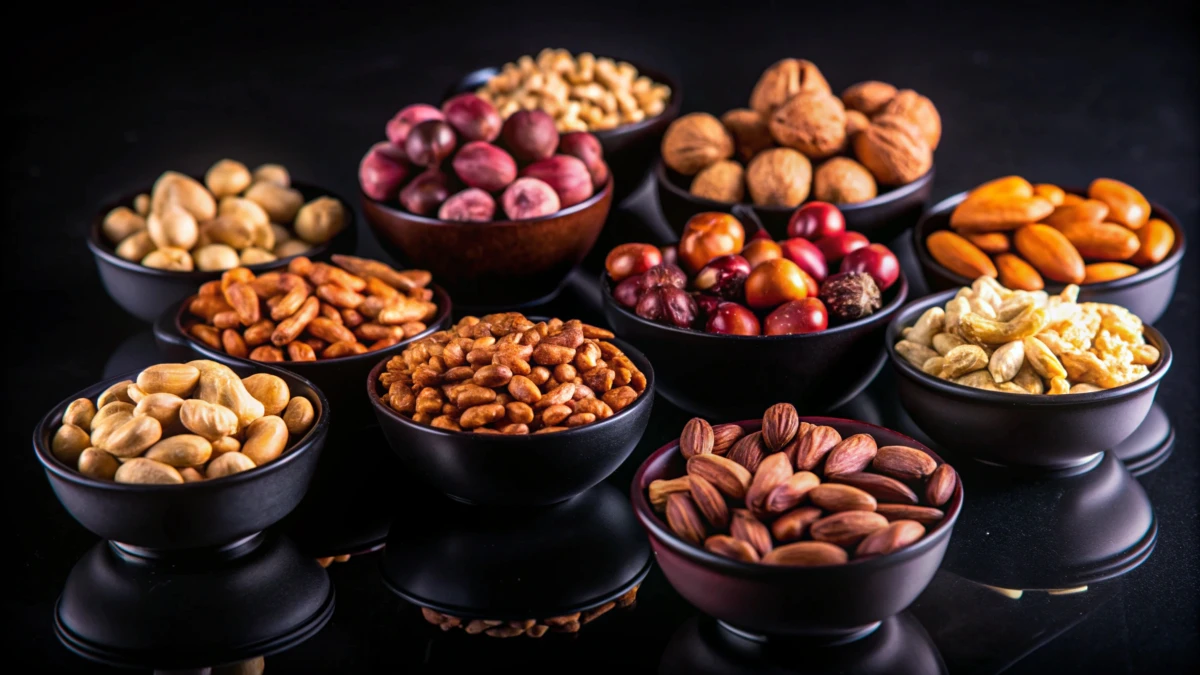
A handful of almonds or walnuts might seem like just a convenient snack, but they act as a dose of internal armor against the elements. As we age, our skin becomes less efficient at fighting off damage from pollution and UV rays, leading to dullness. Nuts provide a concentrated burst of nutrients that help your skin defend itself and stay smooth.
Studies, including reputable research from U.C. Davis, suggest that the Vitamin E and unique fatty acids found in walnuts play a huge role in buffering skin from oxidative stress. This means that while you snack, you are helping your skin cells resist the breakdown that leads to sagging and wrinkles. It’s a low-effort habit with a high-reward payoff for your complexion.
Eating them regularly helps your skin retain its smoothness and bounce, essentially slowing down the visible clock. It keeps the cells plump and hydrated, preventing that hollow look that can happen with age. It is proof that you don’t need a complicated routine to protect your skin; sometimes, you just need a crunchy, healthy snack.
5. Seeds – The Tiny Texture Smoothers
Credit : Freepik
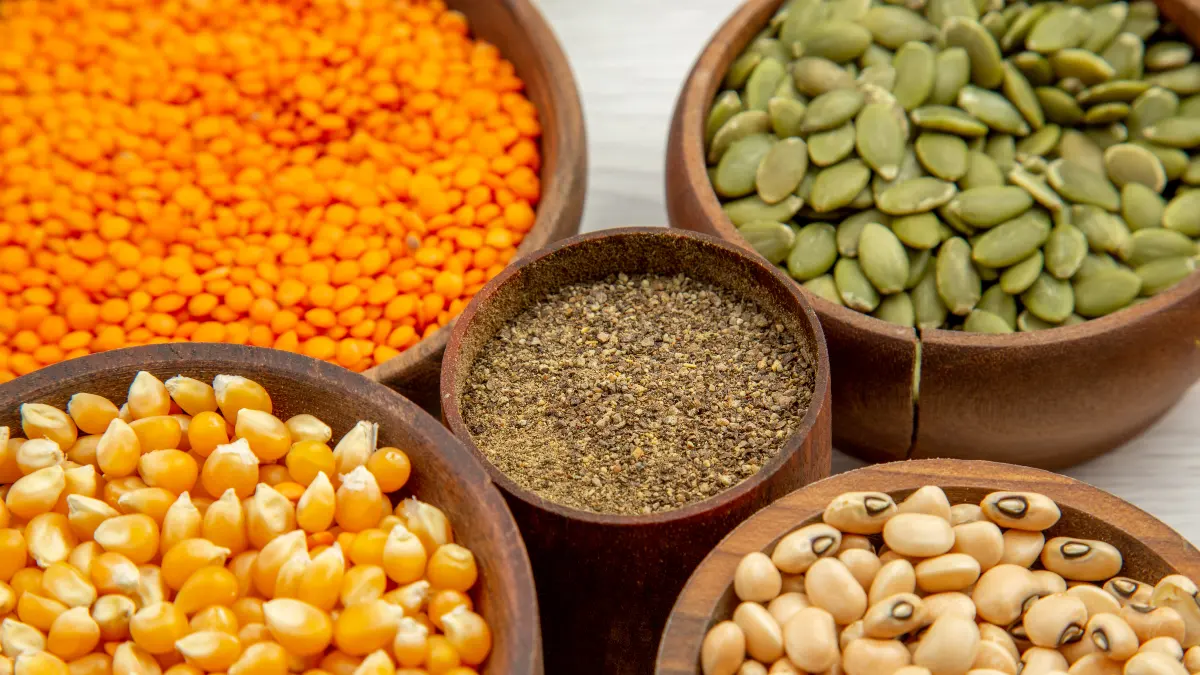
Do not underestimate the power of tiny seeds like chia and flax; they are incredibly dense in fiber and oils that support your body’s entire hydration system. They might look small, but they expand and hold water, helping your body, and by extension, your skin, maintain fluid balance. This is crucial for eliminating that rough, uneven texture that often comes with dehydrated skin.
Nutritional studies suggest that the specific ALA (alpha-linolenic acid) found in these seeds can significantly improve overall skin texture and combat roughness. They work quietly in the background to repair your skin barrier, making it more resilient against dry air and cold weather. It is one of the most effective ways to smooth out your skin without exfoliation.
The best part is how easily they fit into your life; sprinkling them into your morning oatmeal or smoothie is an easy, tasteless fix. You are essentially adding a “repair” button to your breakfast that works all day long to keep your skin soft. It is a gentle, natural way to ensure your skin feels as good as it looks.
6. Sweet Potatoes – The Natural Retinol Alternative
Credit : Freepik
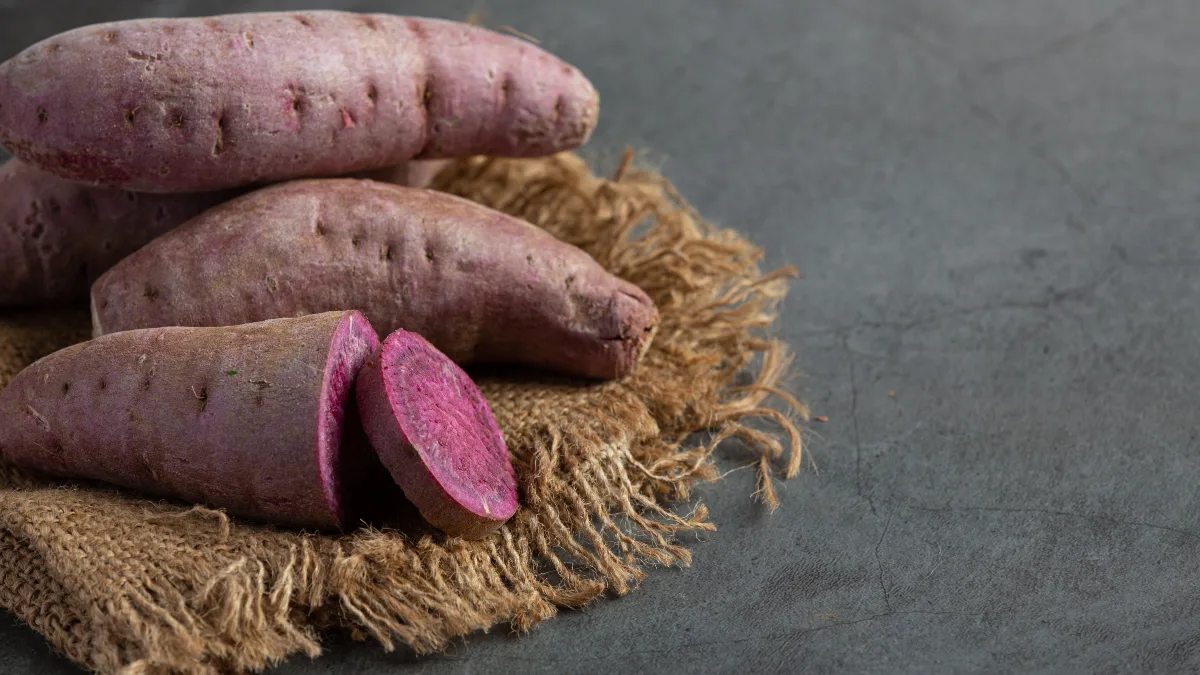
Swap your regular potato side dish for sweet potatoes, because they are loaded with beta-carotene, which gives them that vibrant orange color. Your body cleverly converts this compound into Vitamin A, the exact same active ingredient found in expensive anti-aging retinol creams. This natural boost is far gentler on your system than harsh topical chemicals.
This internal dose of Vitamin A helps speed up cell turnover, meaning your body sheds dry, dead skin faster to reveal the fresher layer underneath. It tackles the dullness that makes skin look tired and aged, promoting a brighter, more even tone. It’s essentially a glow-enhancing treatment that you can bake right in your oven.
By eating your “retinol,” you protect your skin from dryness while encouraging it to renew itself, all without the redness or peeling of topical products. It supports the skin’s structure, helping it stay firm and keeping those fine lines at bay. It is comfort food that actually comforts your skin.
7. Cucumber – The Hydration Hero
Credit : Freepik
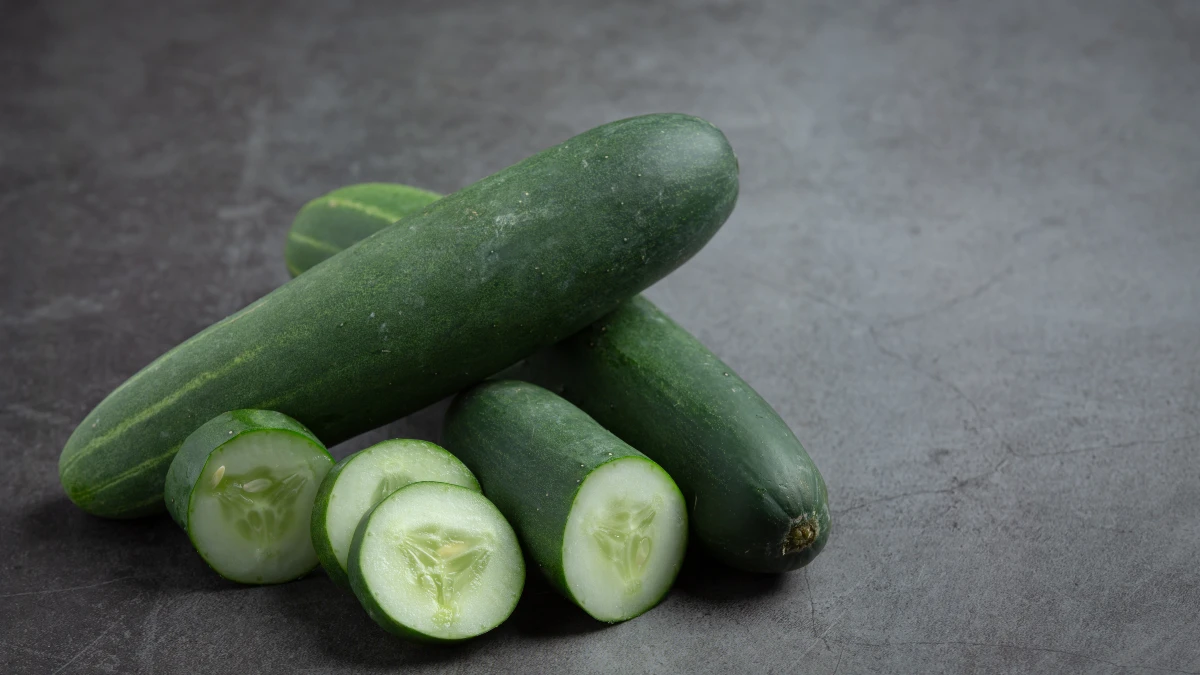
We often put slices on our eyes to reduce puffiness, but eating cucumbers provides structured water and silica, which are essential for connective tissue. Because they are over 95% water, they are the simplest way to “eat your water,” which is often more effective than drinking it. This slow-release hydration ensures your skin cells stay plump and happy for hours.
Standard water passes through us quickly, but the water in cucumbers is held in a fiber matrix, allowing for better absorption by your cells. This helps to fill out fine lines caused by dehydration and gives your skin a refreshed, awake appearance. It is a crucial vegetable for anyone who feels their skin looks “deflated” by the end of the day.
Incorporating cucumber into your diet is a much more effective way to combat dull, dehydrated skin than simply chugging plain water alone. It revitalizes the complexion and helps flush out toxins that can make skin look gray or tired. It’s a crisp, refreshing way to keep your glow turned on.
8. Yogurt – The Gut-Skin Connection
Credit : Freepik
The “Second Brain” of Beauty
Why Dermatologists Look to the Stomach for Solutions
Because most inflammation starts here, balancing gut bacteria is the fastest way to calm systemic redness and skin reactivity.
Zinc
The Anti-Inflammatory
Helps regulate oil production and reduces the severity of acne and hormonal breakouts.
Lactic Acid
The Glow Maker
An Alpha Hydroxy Acid (AHA) that gently exfoliates from the inside out and aids in hydration.
B-Vitamins
The Cell Builder
Specifically B2 (Riboflavin) and B12, which are essential for cellular reproduction and healing.
Shopping Tip: Check the Label
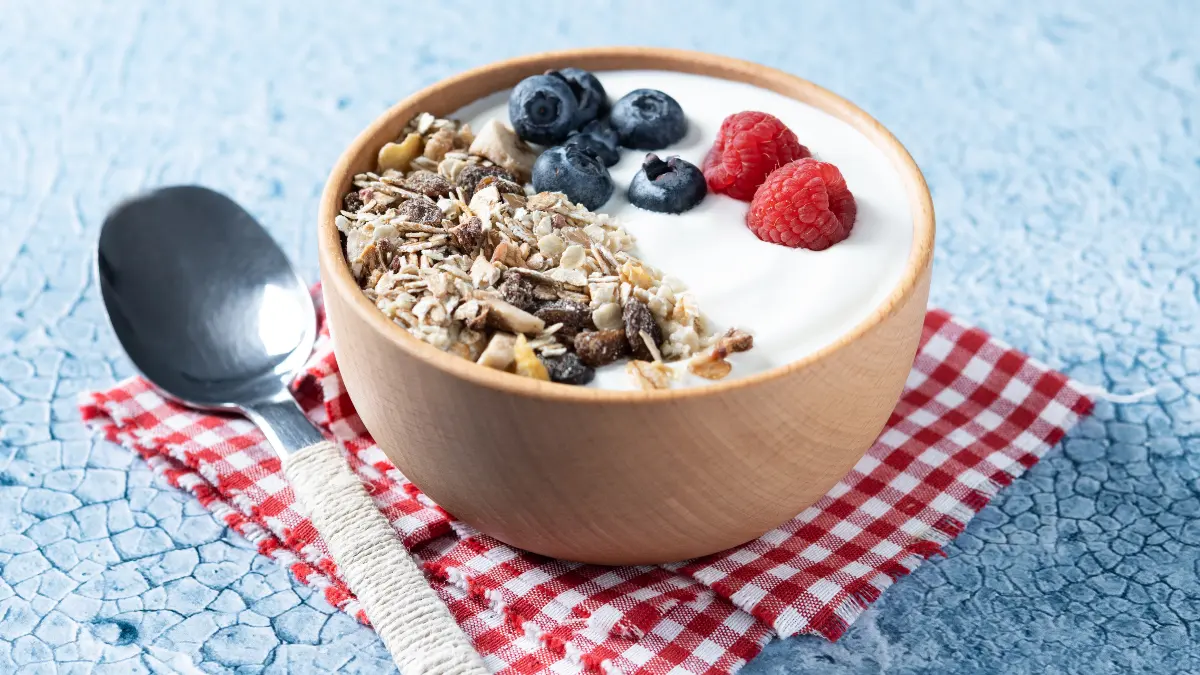
The connection between your gut and your face is undeniable; healthy skin truly does start in the stomach. Studies on the “gut-skin axis” show that the probiotics in plain yogurt can actually reduce systemic inflammation that leads to premature aging. When your gut is happy, your skin is less reactive, less red, and far more balanced.
By balancing your internal bacteria with a daily bowl of yogurt, you are helping your skin maintain its own moisture barrier. This internal support system helps keep skin clear and calm, reducing the breakouts or irritation that can still happen in our 50s. It is a gentle, soothing way to support your body’s largest organ.
Furthermore, the protein and calcium in yogurt support the skin’s structure as collagen production naturally slows down. It helps maintain a firmness and clarity that is hard to achieve with creams alone. It is a delicious daily ritual that pays dividends in the mirror.
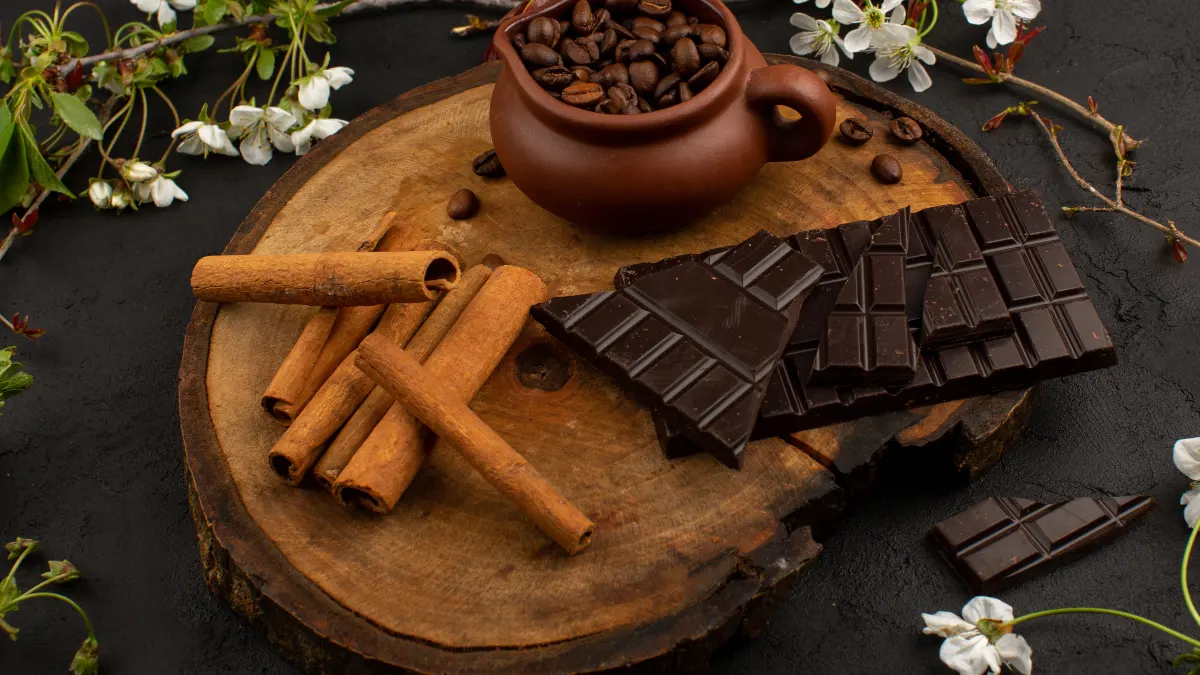
9. Dark Chocolate – The Decadent Skin Defender
Credit : Freepik
The Flavanol Formula
🛡️ UV Defense
25% Increase in skin resistance to UV light damage after 12 weeks of high-flavanol cocoa consumption.💧 Hydration
+13% Improvement in skin moisture levels and a significant reduction in transepidermal water loss.The Biological Secret: Cocoa flavanols stimulate Nitric Oxide production, which dilates the micro-vessels in your face, naturally increasing the delivery of oxygen and blood to the skin’s surface.
How to Choose “Skin-Active” Chocolate
Ensures enough cocoa solids to be effective.
Avoid “Dutch-processed” to keep antioxidants intact.
Prevents “glycation” (sugar-induced aging).
Yes, this is your official permission to eat chocolate specifically the dark kind with 70% cocoa or more. German researchers found that cocoa flavanols can actually increase skin density and thickness while significantly improving hydration. It turns out that a little indulgence is actually a powerful tool for skin health.
Eating a couple of squares boosts blood circulation to the skin’s surface, delivering vital nutrients and oxygen. This increased blood flow is what gives you that “lit from within” look, fighting against the pale or sallow tone that comes with age. It is a treat that works double-time to make you look vibrant.
It is the tastiest way to fight roughness and protect your skin against sun damage from the inside out. You get the mental boost of a sweet treat combined with the physical benefit of stronger, more hydrated skin. It is guilt-free snacking that leaves you glowing.