
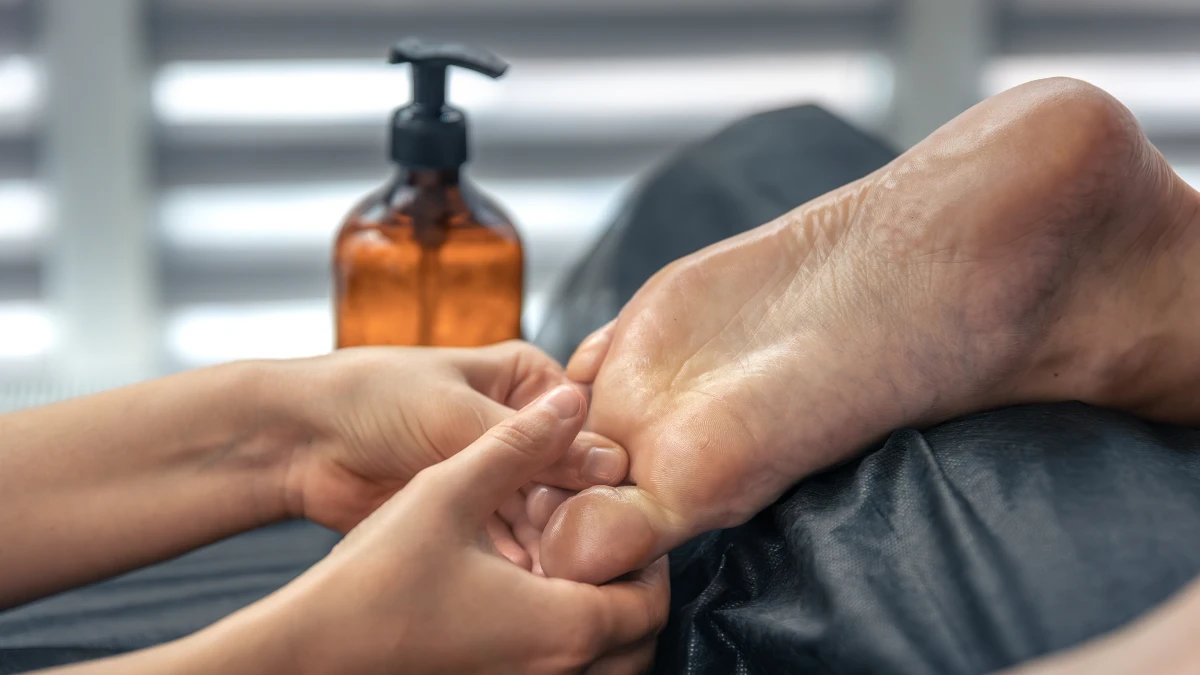
You settle into bed after a long day, hoping for some rest. But as you pull up the covers, your toes start buzzing. They feel “asleep,” or perhaps they feel like they are vibrating, even though you haven’t been sitting on them. You wiggle your feet, but the sensation stays.
It is easy to dismiss these “weird” feelings as just a part of getting older. We often think our feet are just tired from years of walking. Your feet are the body’s early warning system. They are the furthest points from your heart and spine, which means they are often the first places to show signs of trouble with your circulation or nerves.
In this guide, you will learn how to spot foot signs after 50 that are trying to tell you something important. We will look at the difference between normal wear and tear and red flags for conditions like peripheral neuropathy or heart health issues. Your feet are essentially the “canaries in the coal mine” for your overall health.
1. Persistent Numbness and the “Stocking” Pattern

It starts as a faint tingle, like a tiny electric current running through your big toe. Over time, this “pins and needles” feeling can grow. It might feel like you are wearing a thin, invisible sock even when your feet are bare.
This is a classic sign of peripheral neuropathy symptoms. These symptoms happen when the nerves in your extremities are damaged. While many things can cause this, it is often linked to how your body manages blood sugar. When sugar stays high for too long, it can “starve” the nerves of the oxygen they need.
- What to watch for: A numbness that moves from the toes up toward the ankle.
- The Night Factor: Many people find this sensation gets much worse when they lie down to sleep.
- The Data: Research shows that 25-30% of Americans will deal with some form of neuropathy in their lifetime.
Quick Action Step: Check your sensation. Take a soft feather or a piece of paper and lightly brush it against the bottom of your foot. If you can’t feel the texture clearly, your nerves may be sending you a signal.
2. Why Cold Toes May Signal Peripheral Artery Disease (PAD)
Is it Cold or PAD?

While nerves are one piece of the puzzle, blood flow is another. Have you ever noticed that your feet feel like ice, even in a warm room? Or maybe they look pale or slightly blue when you kick off your shoes?
This could be a sign of peripheral artery disease signs, or PAD. This happens when the arteries that carry blood to your legs get narrowed by plaque. Think of it like a clogged pipe; if the water can’t get to the end of the line, the faucet stays dry. In this case, your toes stay cold because they aren’t getting enough warm, oxygen-rich blood.
- The Temperature Test: Use your hand to feel both feet. Is one foot significantly colder than the other?
- Walking Pain: Do your calves or feet cramp when you walk, but the pain stops as soon as you sit down?
- Skin Changes: Look for skin that appears shiny or hair that has stopped growing on your toes or ankles.
Quick Action Step: Press your thumb firmly into your big toe for three seconds, then let go. The skin should turn white and then flip back to pink in under two seconds. If it takes longer, your blood flow might be sluggish.
3. The Hidden Truth Behind Morning Heel Pain

That first step out of bed shouldn’t feel like stepping on a thumbtack. If you experience a sharp, stabbing pain in your heel every morning, you likely have plantar fasciitis. This is an inflammation of the tissue that runs along the bottom of your foot.
However, after age 50, there is another factor at play: fat pad atrophy. As we age, we naturally lose the “cushion” under our heels. It is like the insoles in an old pair of sneakers wearing thin. Without that padding, your bones and tendons take the full force of your weight.
- The Pattern: Pain is worst in the morning or after sitting for a long time.
- The Relief: The pain usually dulls after you walk around for a few minutes and the tissue “warms up.”
Quick Action Step: Try gently stretching your toes toward your shin before you even get out of bed. This can help loosen the tissue and prevent that morning “stab.”
4. Structural Shifts: Bunions and Hammer Toes
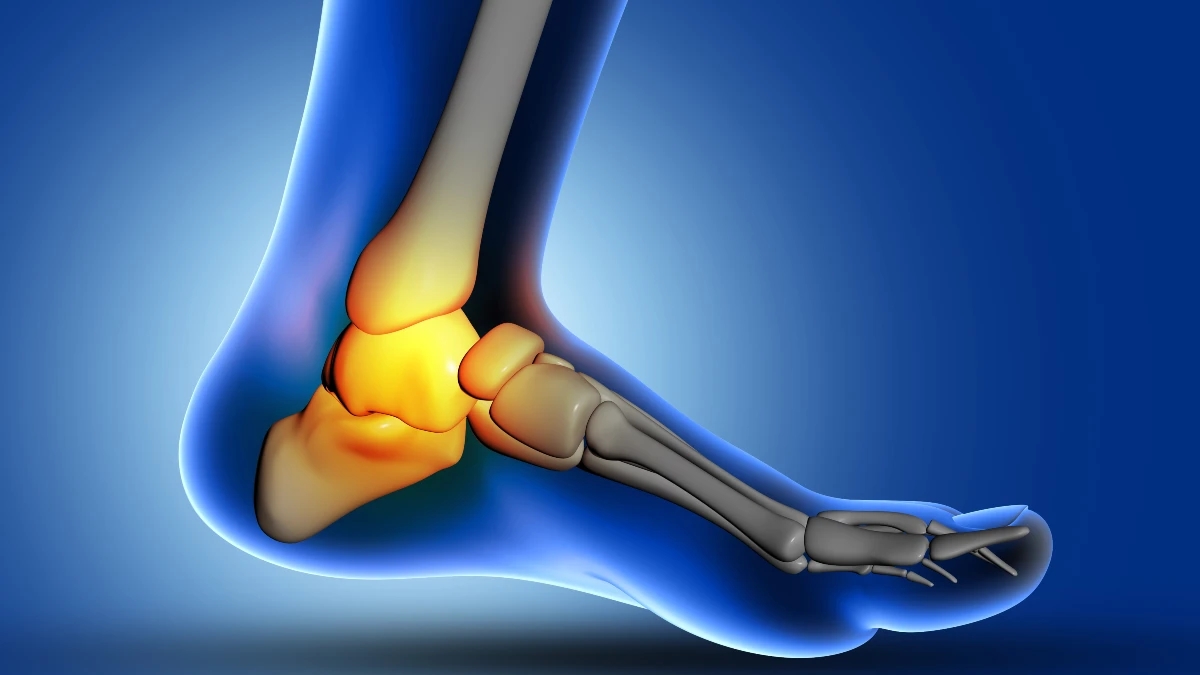
You might look down and notice your big toe is leaning toward its neighbors, or perhaps your smaller toes are starting to curl upward like a claw. Many people think these are just “ugly” feet or a result of wearing tight shoes in their 20s.
While shoes play a role, these shifts are often indicators of how your gait is changing. Structural changes like bunions and hammer toes can be signs of developing arthritis or muscle imbalances. They aren’t just cosmetic; they change how you balance and can lead to a higher risk of falls as you age.
- Nerve Compression: These shifts can squeeze the nerves between your toe bones, leading to sharp “zapping” pains.
- Balance Issues: If your toes can’t grip the ground correctly, your brain has to work harder to keep you upright.
5. Slow-Healing Sores and Brittle Nails

Take a close look at your toenails. Are they becoming thick, yellow, or very brittle? This is often a sign of a fungal infection, which is very common in foot health for seniors. But it can also mean your circulation isn’t strong enough to keep the nail bed healthy.
Even more important are small cuts or blisters. If you notice a sore that hasn’t healed in a week, pay attention. This is what experts call the “diabetes duo.” If you have low sensation (neuropathy), you might not feel a blister forming. If you have poor blood flow (PAD), your body can’t send the “repair crew” to fix the wound.
- The Risk: About 15% of people with diabetes will develop a foot ulcer.
- Vitamin Clues: Brittle nails can also be a sign that you are low on Vitamin B12 or iron.
Quick Action Step: The Mirror Test. Since it can be hard to see the bottom of your feet, place a mirror on the floor and hold your foot over it. Look for any redness, cracks, or blisters that you didn’t know were there.
6. Persistent Swelling (Edema)

Have you noticed your shoes fitting tighter by 4 PM? Or maybe your socks leave deep indentations around your ankles that stay for an hour after you take them off?
Occasional swelling after a long flight or a salty meal is normal. But persistent swelling in the feet and ankles—especially if it is only in one leg—is a signal you shouldn’t ignore. It can be a sign that your heart, kidneys, or veins are struggling to move fluid back up your body.
- Heart Connection: When the heart doesn’t pump efficiently, fluid can “pool” in the lowest part of your body.
- The DVT Risk: If one leg is swollen, red, and warm to the touch, it could be a blood clot (DVT), which requires immediate medical help.
7. What Your Feet Say About Your Health

As the American Podiatric Medical Association (APMA) points out, your feet are often the first to show symptoms of systemic diseases like diabetes or heart disease. They are not just for walking; they are a window into your internal health.
If you are over 50, don’t just “wait and see” if these symptoms go away. Treating your feet well now can keep you mobile and active for decades to come.
Summary of Key Points
- Numbness often points to nerve health and blood sugar management.
- Cold feet are a major clue for your arterial health.
- Morning pain is usually a sign of thinning cushions and tight tissues.
- Slow-healing wounds require a doctor’s visit immediately to prevent infection.
Your Next Step: Perform a “foot check” tonight under a bright light using a hand mirror. Look for color changes, feel the temperature of each foot, and check for hidden sores. If you find any of the 7 signs mentioned above, book an appointment for a professional foot health check.
Foot health for seniors is about more than just comfort; it is about staying independent and healthy.
Disclaimer: This information is for educational purposes and does not replace professional medical advice. Always consult a healthcare provider for diagnosis and treatment.