
You’ve finished your first cup of coffee, but the “engine” still won’t start. You feel like you’re dragging through knee-deep water, even though you clocked eight hours of sleep. For many over 50, this heavy sluggishness is dismissed as just “getting older.”
But here’s the truth: your body isn’t just failing; it’s talking to you. It uses morning fatigue signals to tell you that something is off deep inside. Specifically, it’s using the gut-brain connection to send SOS messages right to your kitchen. If you know how to read your pantry cravings and your post-breakfast bloat, you can find the path back to high energy.
Today, we are going to look at three specific kitchen clues that reveal why your body is stuck in low gear. You’ll learn how to stop guessing and start fueling for the life you want to lead.
The “Bitter” Truth: Why You Crave Sharp Flavors

Have you ever caught yourself reaching for the pickles, lemons, or apple cider vinegar first thing in the morning? It feels like a strange craving, but it’s a major clue for your digestive health.
As we age, our bodies change how they process fuel. Research shows that stomach acid production can drop by 30-50% once we cross 50. This is a problem because without enough acid, you can’t break down protein or absorb the minerals you need for energy.
This is called poor nutrient absorption. When you crave sour or bitter things, your body is literally begging for “digestive fire” to help it process your last meal.
Many people over 50 also deal with a nervous system stuck in “fight-or-flight” mode. When you are stressed, your body shuts down digestion to focus on the “threat.” This leads to a sluggish liver and low bile production. If you feel like your food just sits in your stomach like a brick, your liver and gallbladder are likely asking for liver support.
The 5-Minute Solution: Try a “Bitter Starter.” Squeeze half a lemon into warm water or take a teaspoon of apple cider vinegar 10 minutes before you eat. This simple trick signals your stomach to start producing the acid you need to turn food into actual energy.
The Pantry Bloat: When “Healthy” Breakfasts Backfire
The Pantry Bloat Signal
If your pants feel tight after oatmeal or toast, it’s not just weight—it’s chronic inflammation and a sign of struggling microbiome health.
Bad bacteria ferment your meal, releasing toxins into your bloodstream that trigger noon-time brain fog.
⚡ The Quick Fix
Swap grains for a protein-heavy breakfast like eggs or a collagen smoothie to clear the “gut fog” instantly.
This leads us to the next sign, which usually happens about 20 minutes after you eat. You sit down to a “healthy” bowl of oatmeal or a piece of whole-grain toast, and suddenly, your pants feel too tight. This isn’t just “food weight”—it’s chronic inflammation and a sign of a struggling microbiome health.
If you feel “heavy” or gassy shortly after breakfast, your gut bacteria might be out of balance. This is the gut-brain connection in action. When bad bacteria ferment your breakfast, they release gases and toxins. These toxins travel through your bloodstream and hit your brain, causing that “foggy” feeling by noon.
In your 50s and 60s, your body can become sensitive to foods you used to eat just fine. It’s not always a full allergy, but a sensitivity that triggers a slow-burn immune response. This creates a cycle where you eat to get energy, but the act of eating actually drains you.
How to Fix the Bloat: Keep a simple food-mood journal for three days. Note how you feel exactly 30 minutes after eating. If the oats make you sleepy or bloated, try swapping them for a protein-based breakfast like eggs or a collagen smoothie. Clearing the “gut fog” is often the fastest way to stop those morning fatigue signals.
The Caffeine Paradox: Why Coffee Isn’t “Hitting”

You might think more caffeine is the answer, but if your third cup of coffee does nothing, you are facing a cortisol levels crisis. Your body has a natural wake-up system called the Cortisol Awakening Response (CAR). Ideally, your cortisol should spike 30 minutes after you wake up to give you natural focus.
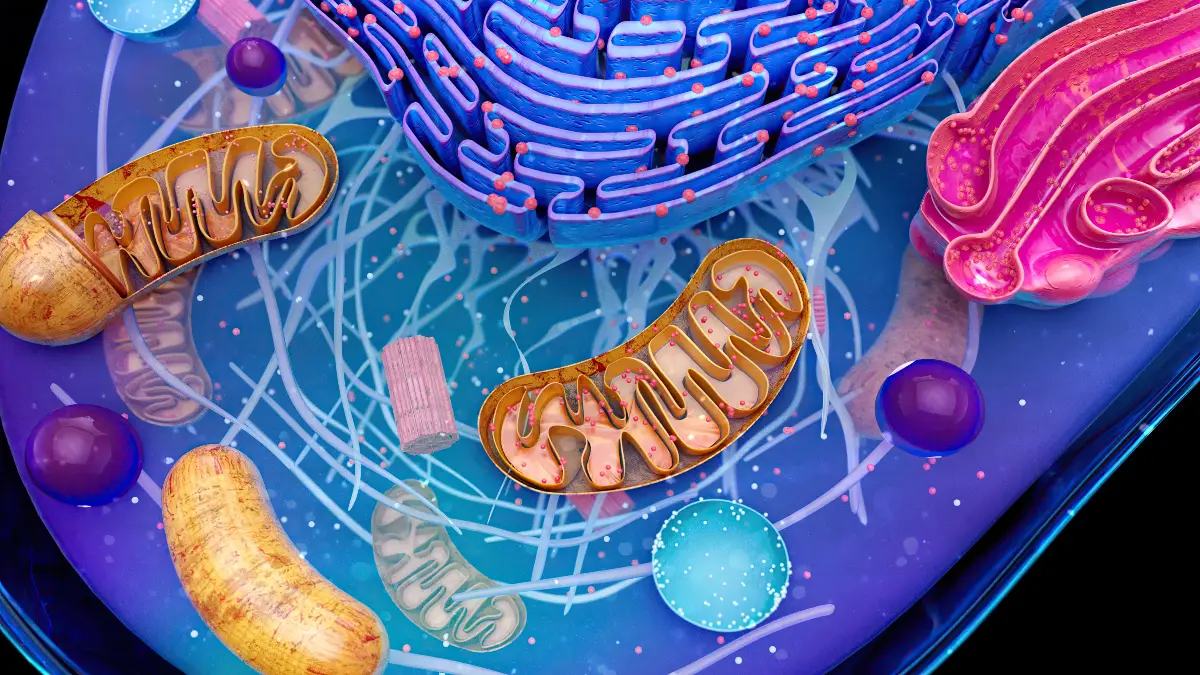
If you reach for coffee the second your eyes open, you might be accidentally crashing your CAR. Caffeine can mask a deeper B-vitamin deficiency or a lack of magnesium. Recent data from 2025 suggests that nearly 50% of adults are low on magnesium. Without it, your mitochondria (your cell’s battery packs) can’t create energy, no matter how much caffeine you drink.
People often call this “adrenal fatigue,” but it’s really about mitochondrial health. Your cells are essentially “starving” for minerals while being over-caffeinated. This creates a “tired but wired” feeling that ruins your productivity and your mood.
The Energy Reset: Use the “Water First, Caffeine Second” protocol. Drink 16 ounces of water with a pinch of sea salt (for minerals) before you touch your coffee maker. Wait at least 60 to 90 minutes after waking before having caffeine. This allows your natural cortisol to do its job first, making your coffee much more effective later in the morning.
Summary
Your kitchen habits are a mirror of your internal health. Those morning fatigue signals aren’t just a sign that you’re getting older—they are actionable data points. Whether it’s a craving for lemons, a bloated belly after toast, or a coffee habit that no longer works, your body is telling you exactly what it needs to thrive.
By focusing on holistic wellness and small nutritional shifts, you can reclaim your mornings. You don’t have to accept a life of “sluggishness.” Listen to the whispers now so you don’t have to deal with the “screams” of chronic illness later.
Your Next Step: Start small this week. Pick one “kitchen sign” that sounds like you and try the fix mentioned above. If your fatigue is persistent and doesn’t change with these shifts, be sure to consult a professional to check your hormone and vitamin levels.