

You notice it when you try to open a tight jar lid. Or maybe you feel it in your legs when you stand up from a deep sofa. You feel just a little bit weaker than you used to. Most people shrug this off. They think, “Well, I’m just getting older. This is normal.”
But what if “normal” aging is actually a mistake in your diet?
For millions of seniors, weakness isn’t just about age. It is about starvation. You might be eating enough calories, but your muscles are starving for protein. This leads to a condition called “anabolic resistance.” It means your body has stopped listening to the signals that tell it to build muscle.
The good news is that you can fix this. You don’t need to spend hours in a gym. You just need to change the math on your plate. In this guide, we will look at the protein needs for seniors and how specific foods can help you maintain muscle health so you can keep aging gracefully.
The “Silent” Epidemic: What is Sarcopenia?

Doctors have a name for that feeling of weakness. It is called Sarcopenia. This is the involuntary loss of skeletal muscle mass. It doesn’t happen overnight. It is a slow leak.
Research shows that muscle loss begins as early as age 30. But once you hit 60, the process speeds up. You can lose between 3% and 8% of your muscle mass every single decade. That adds up fast.
Why does this matter? Muscles do more than just lift heavy boxes. They are your body’s armor. Strong muscles protect your bones. They help you keep your balance so you don’t fall.
There is another connection people often miss. Your muscles are a storage tank for amino acids. When you get sick, your body pulls from this tank to help your immune system fight off infection. If your tank is empty because of Sarcopenia, your recovery takes much longer.
Recognizing muscle loss symptoms early is vital. If you feel slower, or if walking feels like a chore, you might be at frailty risk. The solution starts with understanding why your body has changed.
The #1 Mistake: Relying on Outdated RDAs

For years, we were told to follow the Recommended Dietary Allowance (RDA). For protein, that number is usually 0.8 grams per kilogram of body weight.
That number is the minimum amount you need to stay alive. It is not the amount you need to stay strong. Relying on this old number is the biggest mistake seniors make.
As you age, your body develops something called Anabolic Resistance. Think of your muscles like someone who is hard of hearing.
When you are 20 years old, your muscles have great hearing. You eat a small amount of protein (a quiet whisper), and your muscles hear it and start rebuilding.
When you are 70, your muscles become hard of hearing. If you eat that same small amount of protein, your muscles don’t hear the message. They do nothing. You need to “shout” at your muscles to get them to work. In food terms, a “shout” means eating a much larger portion of protein at one time.
If you eat like a bird, your body will break down your own muscle tissue to get what it needs. To fix this, we have to look at RDA vs. Optimal intake and ignore the outdated advice.
How Much Protein Do You Really Need?
1.0 – 1.2g
per kg of body weight
This gap is where muscle loss happens.
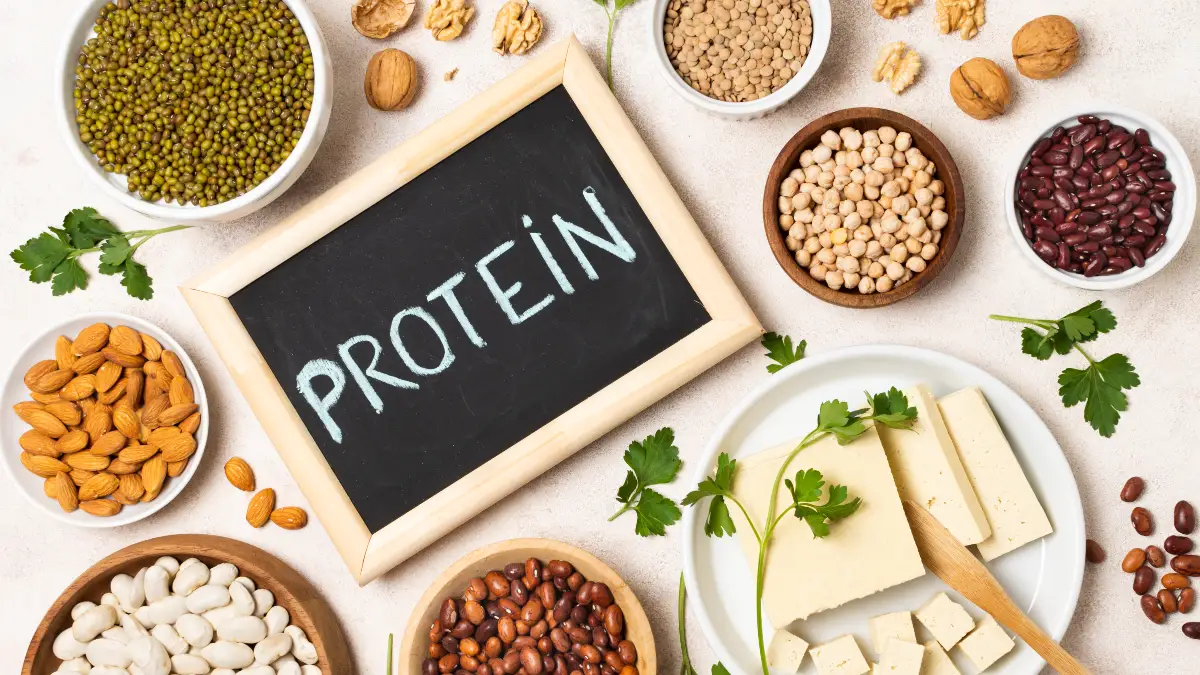
So, if the old rules are wrong, what are the new rules?
Nutrition experts and major health organizations agree on a new standard. Healthy seniors should aim for 1.0 to 1.2 grams of protein per kilogram of body weight. If you are recovering from an illness or surgery, you may need even more, up to 1.5 grams.
This might sound complicated, but the math is simple. Here is how to create your own senior diet plan.
Step 1: Take your weight in pounds. Step 2: Divide that number by 2.2. This gives you your weight in kilograms. Step 3: Multiply that number by 1.2.
Let’s look at an example: Imagine a woman who weighs 150 lbs. 150 divided by 2.2 is roughly 68 kg. The old RDA said she only needed 54 grams of protein. The new standard (68 kg x 1.2) says she needs 81 grams.
That is a big difference. That gap of 27 grams is where muscle loss happens. Using a daily protein calculator or just doing this simple math can save your strength.
It’s Not Just Quantity: The “Leucine Threshold”
You know how much to eat. Now you need to know when to eat it.
Many seniors eat a piece of toast and coffee for breakfast. They have a salad for lunch. Then, they eat a huge steak for dinner. They think they hit their protein goal.
But the body doesn’t work that way. You cannot save up protein usage for the end of the day.
Remember the “shouting” analogy? You need to shout at your muscles at every meal. To turn on the muscle-building switch, you need a specific amino acid called Leucine.
Young people only need a little Leucine to trigger growth. Seniors need a lot more, about 2.5 to 3 grams of Leucine per meal. This is called the “Leucine Threshold.”
If you eat a breakfast with only 10 grams of protein (like oatmeal and water), you don’t hit the switch. Your body stays in “breakdown mode” until lunch. If lunch is light, you stay in breakdown mode until dinner. You spend most of your day losing muscle.
To fix this, you must fix your protein distribution. You need to spread your intake out. Aim for at least 25 to 30 grams of protein at breakfast, lunch, and dinner.
Top Protein Sources to Fight Muscle Loss (Actionable List)
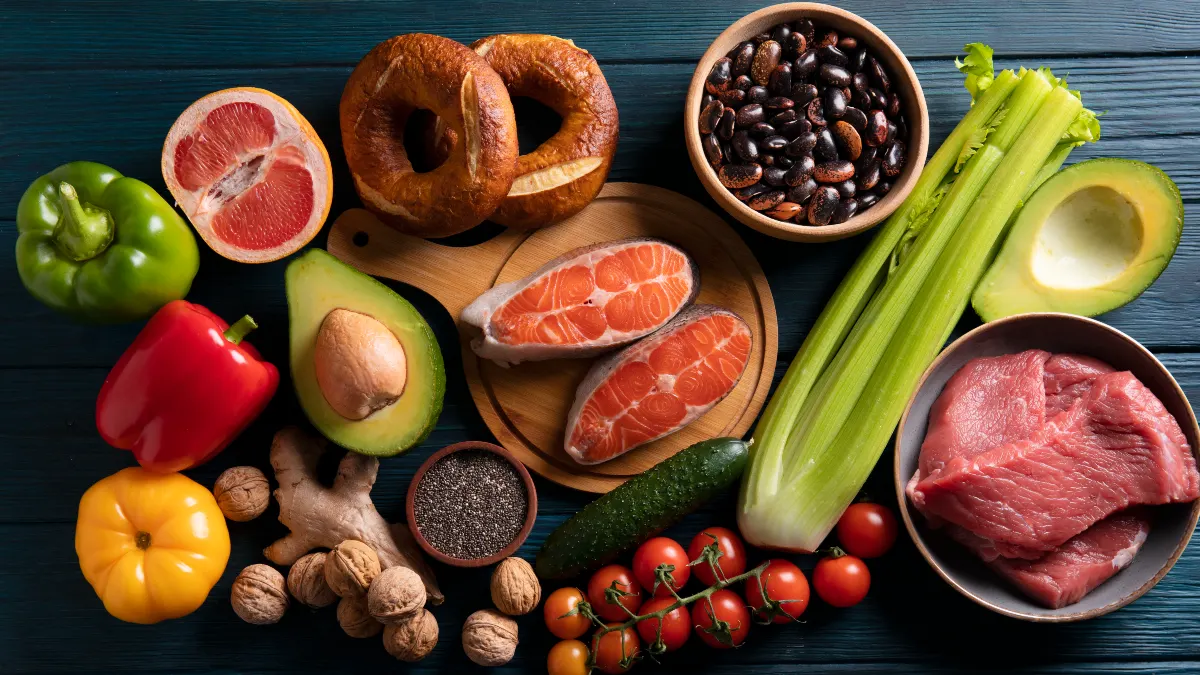
Now you need to know what to put on your grocery list. Not all protein is created equal. Some foods are high in Leucine and easy for your body to absorb. Others require a bit more planning.
Here are the best protein foods for elderly people looking to protect their muscles:
Animal Sources (The Heavy Hitters) These sources are complete proteins and are very high in Leucine.
- Whey Protein: This is the gold standard. It digests fast and has the most Leucine.
- Eggs: One of the most digestible foods you can eat.
- Salmon: Great for protein and healthy fats.
- Chicken Breast: A classic, lean option.
- Greek Yogurt: Choose plain versions to avoid sugar.
Plant Sources (The Combiners) If you eat plant-based, you usually need to eat a larger volume to get the same anabolic effect.
- Lentils and Beans: Good fiber, but lower in Leucine.
- Tofu and Edamame: Solid soy-based options.
- Quinoa: A complete plant protein.
Convenience Options Sometimes, you just aren’t hungry. As we age, our appetite drops. This is where supplements help. Whey protein for seniors is a great tool. A simple shake can give you that 30-gram “shout” your muscles need without making you feel overly full.
Conclusion
Getting older does not have to mean getting weaker. The fatigue and frailty many people accept as “normal” are often just signs that their muscles are hungry.
It isn’t about trying to look like a bodybuilder. It is about keeping your independence. It is about being able to carry your own groceries, walk up the stairs, and play with your grandchildren without getting tired.
Here is your challenge: For just one day, track what you eat. Use the math we discussed (1.2 grams per kg). See how close you get to your number. Most people are surprised to see they are only eating half of what they need.
Fix your plate, and you can fix your strength. Prioritizing optimal protein needs for seniors is the single best investment you can make for your future self.