
If you Google “how to lower blood pressure,” you get the same advice every time. Eat oatmeal. Eat bananas. Repeat until you never want to see a yellow fruit again.
It is frustrating. High blood pressure is still the “silent killer,” but nobody sticks to a heart-healthy diet if it tastes like cardboard. You need variety. You need options that actually taste good.
We are looking at 5 specific foods that lower blood pressure. These aren’t old wives’ tales. They are backed by clinical research from 2024 through 2026. These foods actively relax your blood vessels. You can manage hypertension without medication feeling like your only option.
1. Leafy Greens: The Nitrate Powerhouses
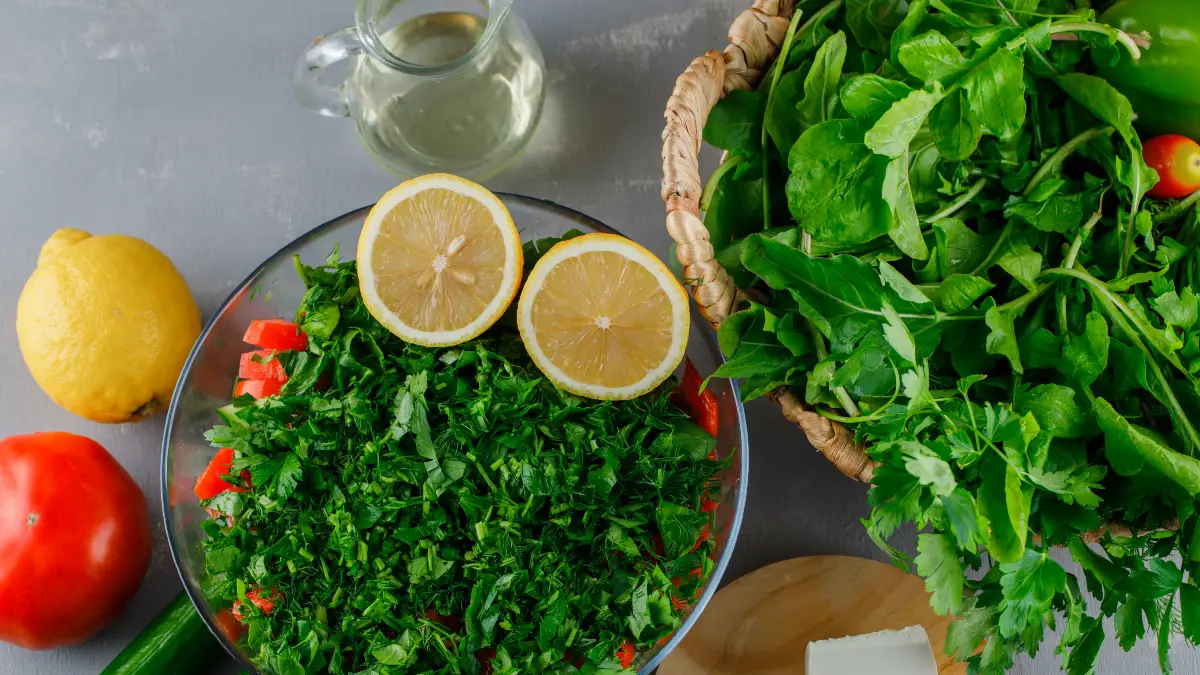
Let’s talk about spinach and arugula (rocket). They are more than just salad filler. They are packed with dietary nitrates.
When you eat these greens, your body turns these nitrates into nitric oxide (NO). Think of nitric oxide as a master switch. It flips on and tells your blood vessels to relax and open up. When your vessels widen, your blood flows more easily. This drops your pressure naturally.
It is important to know the difference in nitrates. You might hear that nitrates in processed meats like hot dogs are bad for you. That is true. But the nitrates found in green vegetables work differently. They protect your heart.
The Proof Is this real? Yes. A 2025 report from the University of Toronto and HerbaZest looked at this specific connection. They found that just 7 days of eating spinach soup reduced arterial stiffness by about 6.9%. That is a huge win for your vascular health. When your arteries are flexible, your heart doesn’t have to work as hard.
How to Eat Them
- Don’t boil them. Boiling leaches the nitrates into the water. Steam them lightly or eat them raw.
- Add fat. A little olive oil helps your body absorb the vitamins in the greens.
- Mix it up. If you hate spinach, try Swiss chard or beet greens. They work the same way.
2. Blueberries: The “5 mmHg” Fruit
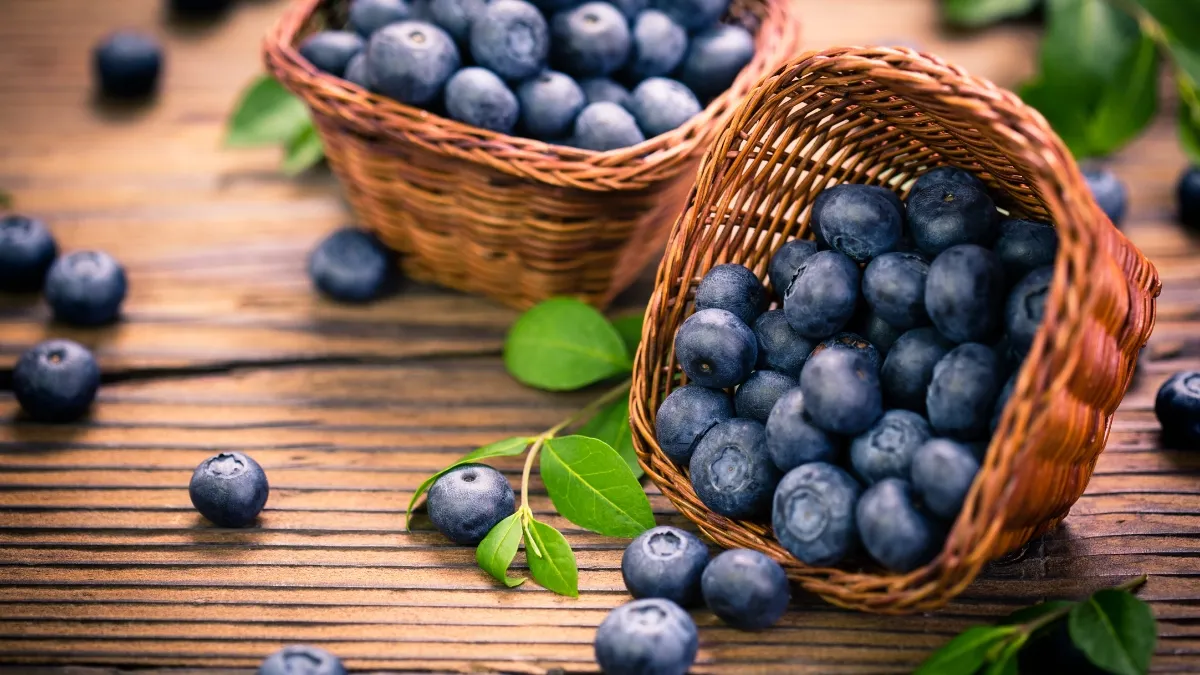
If you want something sweet, grab blueberries. Wild blueberries are even better if you can find them in the frozen section.
The secret weapon here is anthocyanins. That is just a fancy word for the blue pigment in the skin of the berry. This pigment heals the lining of your blood vessels. Doctors call this “endothelial function.” When that lining is healthy, your blood pressure stays stable.
The effect is surprisingly strong. For some people, eating these berries can work as well as a mild blood pressure pill. It is a powerful way to lower systolic blood pressure naturally.
The Proof Researchers at King’s College London proved this again. Their data, validated in 2025 trials, showed impressive results. They found that eating 200g (about one cup) of blueberries every day can lower systolic blood pressure by around 5 mmHg. That is the top number on your reading. A 5-point drop can significantly lower your risk of heart issues.
How to Eat Them
- Consistency is key. You need to eat them daily to keep the anthocyanins benefits.
- Fresh or frozen. Both work. Frozen wild blueberries often have more nutrients than fresh ones that sat on a truck for a week.
- Smoothies. Blend them up if you don’t like the texture of the skins.
3. Fatty Fish: Hitting the “3-Gram” Sweet Spot
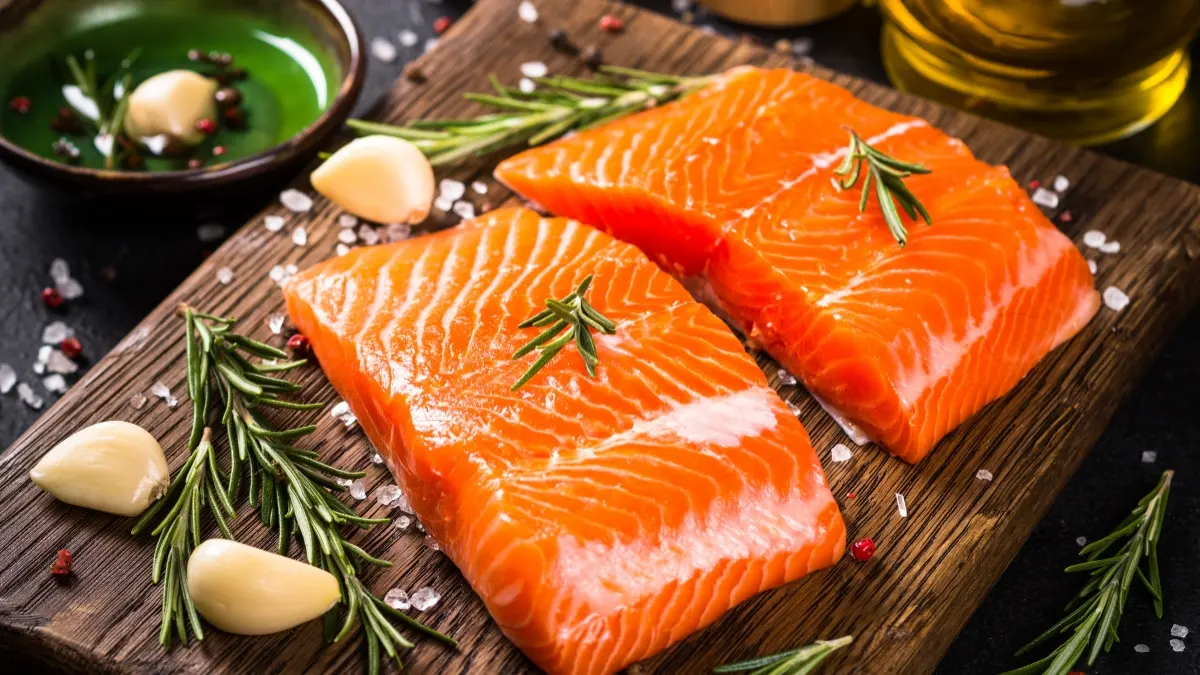
Salmon, mackerel, and sardines are famous for heart health. But most people don’t eat enough of them to see a real change in their numbers.
The magic ingredient is Omega-3 fatty acids. These healthy fats stop inflammation. They also block oxylipins, which are chemicals that squeeze your blood vessels tight. When you reduce inflammation, your vessels stay relaxed.
Crucial Update: It isn’t just about eating fish “sometimes.” It is about the dosage. You need to hit a specific amount to move the needle on your blood pressure.
The Proof The American Heart Association (AHA) ran the numbers on this. They found you need to hit a “sweet spot” of about 3 grams of Omega-3s per day. When you do this, systolic pressure drops by 2 mmHg on average. If you already have high blood pressure, it can drop by up to 4.5 mmHg.
How to Eat It
- Portion size. A standard fillet of salmon has about 1.5 to 2 grams of Omega-3s. You need a large portion or a daily supplement to hit 3 grams.
- Pick the right fish. Tilapia and white fish are fine, but they don’t have high levels of Omega-3 for blood pressure. Stick to the oily fish.
- Don’t fry it. Deep frying adds bad fats that cancel out the heart healthy fats you want. Bake or grill it instead.
4. Pistachios: The Stress-Busting Nut
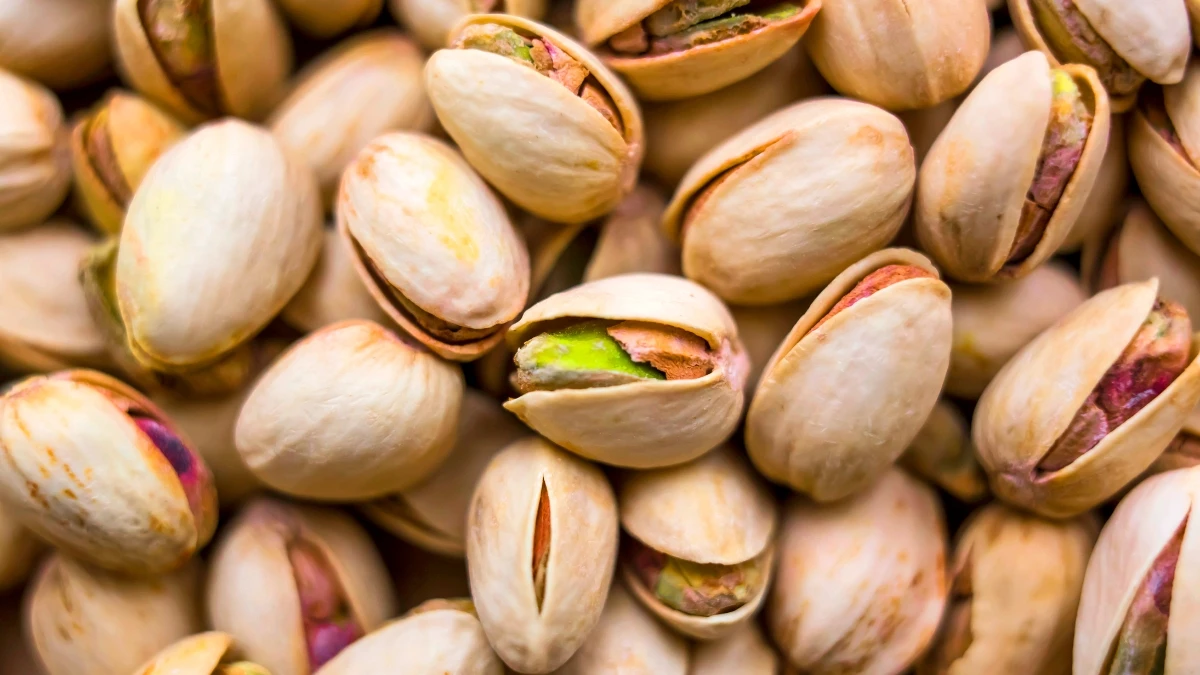
Most nuts are healthy, but pistachios are special. They work on something called peripheral vascular resistance.
Imagine your blood vessels are a garden hose. If you clamp the hose, pressure builds up behind the clamp. That is vascular resistance. Pistachios help unclamp that hose.
They have a unique benefit that other foods don’t. They seem to work best when you are stressed out. If your blood pressure spikes when you are anxious or busy, pistachios are your best friend.
The Proof Research led by West and colleagues showed interesting results. Pistachios health benefits include reducing systolic blood pressure by 4 to 5 mmHg specifically during times of mental stress. They even keep working while you sleep, lowering your pressure overnight.
How to Eat Them
- Watch the salt. This is critical. You must buy unsalted pistachios. If you eat the salted kind, the sodium will raise your blood pressure and ruin the benefit.
- Shell them yourself. The act of shelling them slows you down so you don’t overeat.
- Snack time. These are one of the best foods for stress relief to keep at your office desk.
5. Garlic: The “Allicin” ACE Inhibitor
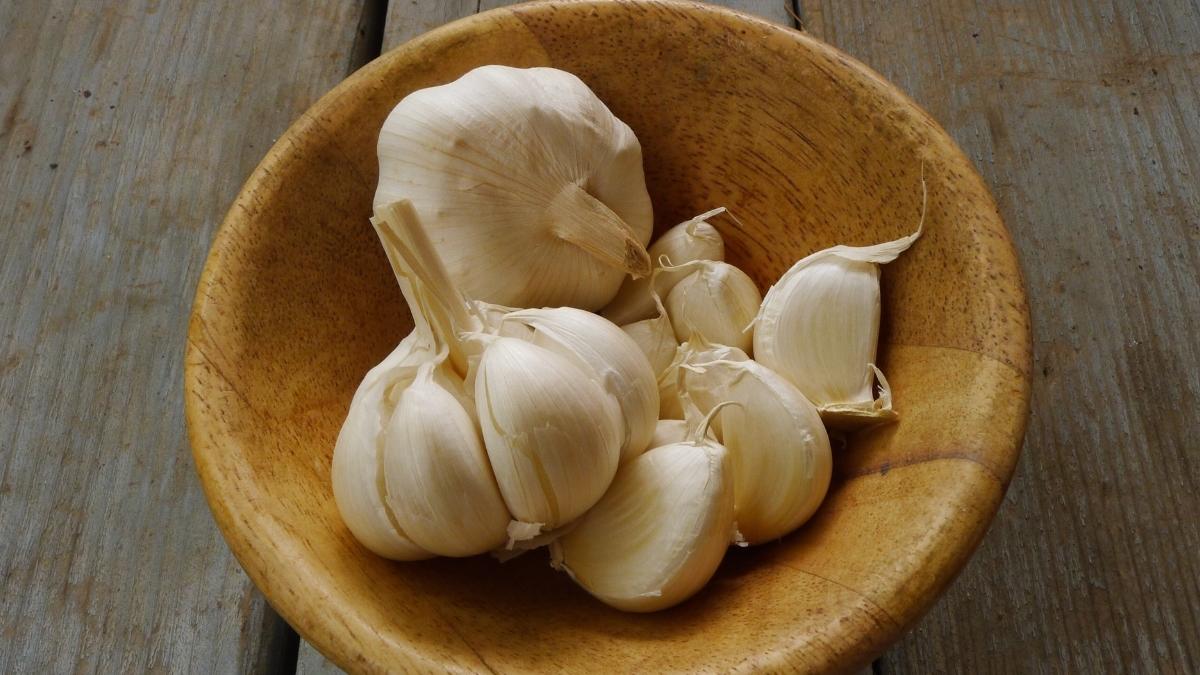
Garlic does more than flavor your pasta. It contains a compound called allicin.
Allicin works a lot like ACE inhibitor drugs. It stops your body from making chemicals that tighten your blood vessels. It also helps reduce stiffness in your arteries.
There is a catch, though. You have to prepare it the right way. Allicin is an enzyme. If you chop garlic and throw it straight into a hot pan, the heat kills the enzyme instantly. You get the flavor, but you lose the health benefit.
The Proof Does it work? Yes. Meta-analyses from 2024 and 2025 confirmed it. Using garlic for hypertension (specifically Aged Garlic Extract supplements or raw garlic) lowers blood pressure by roughly 3.75 to 4.4 mmHg in people with high blood pressure.
How to Eat It
- The 10-Minute Rule. Crush or chop your garlic. Then, let it sit on the cutting board for 10 minutes. This lets the allicin develop. After 10 minutes, you can cook it, and the medicinal part stays active.
- Supplements. If you can’t eat enough raw garlic, Aged Garlic Extract is a proven alternative.
- Be consistent. Like the other natural blood pressure remedies, this takes a few weeks to show results.
Conclusion
You don’t have to suffer through a boring diet to help your heart. A “prescription” of berries, salmon, pistachios, greens, and garlic actually tastes good. It is easy to stick with.
Don’t try to change everything at once. Pick ONE of these foods to add to your grocery list today. Eat it consistently. Then, check your numbers in 30 days. These are simple natural hypertension remedies that work.