

You’ve hit your 10,000-step goal every day this month, yet the scale hasn’t budged, and your clothes might even feel tighter. It’s a frustrating plateau that many face, leading to the realization that the “Step Count” era has created a false sense of security. While walking is undeniably great for heart health and mental clarity, it is often the least efficient way to trigger fat loss once sarcopenia (age-related muscle loss) sets in.
After 50, your biological “operating system” changes. What worked in your 30s, simply “moving more”, often backfires now. In this guide, you will learn why your body is essentially “ignoring” your daily walks through a process called metabolic adaptation.
More importantly, we will outline a three-pillar shift involving “muscle-centric” medicine to restart your fat-burning engine and achieve meaningful weight loss after 50. It’s time to stop focusing on the quantity of your steps and start focusing on the quality of your movement.
The Efficiency Trap: How Metabolic Adaptation Stalls Fat Loss

Your body is a survival machine, not a simple calorie-burning calculator. When you perform the same low-intensity cardio (or LISS) every day, your body becomes remarkably efficient. Evolutionary biologist Dr. Herman Pontzer has highlighted the “Constrained Total Energy Expenditure” model, which suggests that the body eventually compensates for high levels of low-intensity activity by reducing the energy spent on other cellular processes.
Essentially, the more you walk, the better your body gets at doing it for “cheaper.” You might burn 400 calories walking today, but in three months, your body may only spend 300 calories to cover that same distance. This metabolic adaptation is a survival mechanism, but it’s the enemy of a consistent calorie deficit.
Furthermore, because muscle mass naturally declines by 3% to 8% per decade after age 30, a rate that accelerates significantly after 50, your baseline “burn” is already shrinking. If you only walk, you aren’t providing the stimulus needed to keep that muscle. You are essentially becoming a more fuel-efficient car with a smaller engine; you’ll go further on less gas, but you’ll never burn off the “fuel” (fat) stored in the tank.
Why Sarcopenia is the Real Enemy of Your 50s
Walking Isn’t Enough!

To understand why walking isn’t enough, we must look at sarcopenia: the involuntary loss of skeletal muscle tissue as we age. Think of your muscle as your body’s “metabolic engine.” It is metabolically expensive tissue, meaning it requires energy just to exist.
Walking 10,000 steps is a cardiovascular activity; it trains your heart and lungs, but it is not a muscle-building activity. When you rely solely on walking for weight loss after 50, you may actually be losing weight from your “engine” (muscle) rather than your “fuel” (fat). This causes your Resting Metabolic Rate (RMR) to plummet.
Consider this: A 150lb person with 30% body fat has a much higher RMR than a 150lb person with 40% body fat. The first person might burn 1,600 calories just sitting on the couch, while the second burns only 1,300. By neglecting muscle mass, you are forcing yourself to eat less and less just to maintain your current weight. To break the cycle, you must stop trying to “burn fat” and start trying to “build muscle.”
The Strategy: “Muscle-Centric” Medicine
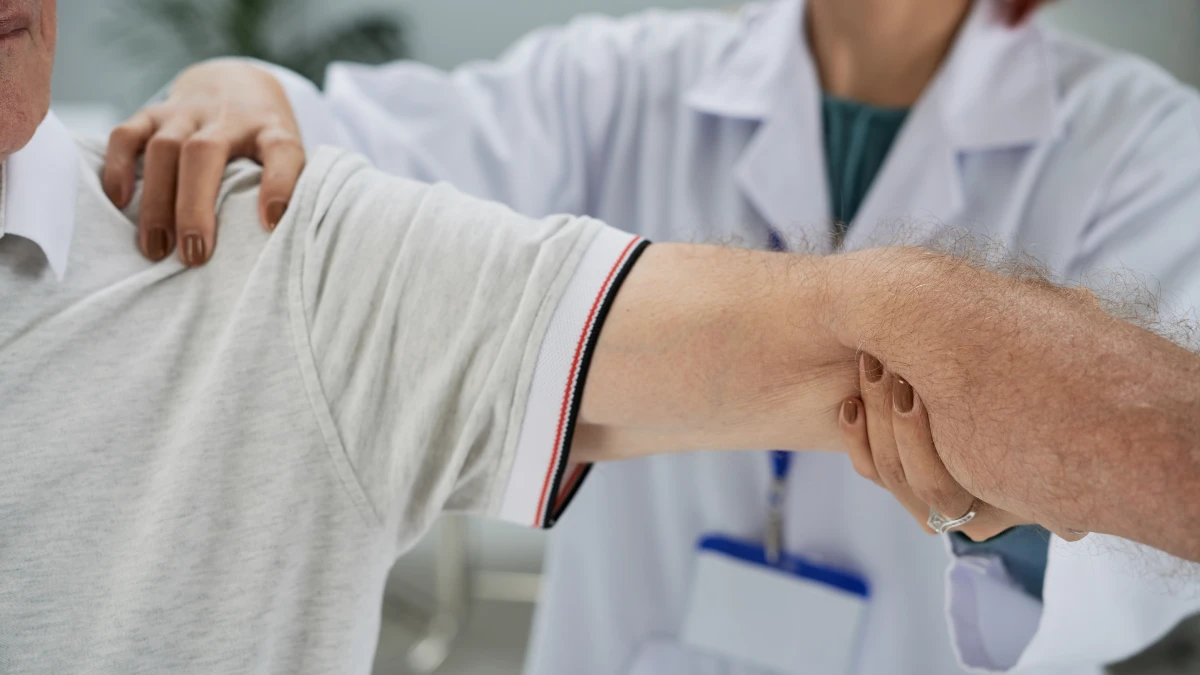
The most effective way to reverse a plateau is to adopt what Dr. Gabrielle Lyon calls “Muscle-Centric Medicine.” This involves shifting your mindset from “losing weight” to “protecting and building functional tissue.”
For weight loss after 50, the non-negotiable requirement is strength training at least twice a week. You don’t need to become a bodybuilder; you need to engage in compound movements, squats, hinges, pushes, and pulls, that challenge your nervous system and stimulate protein synthesis.
Research from the University of Sydney has shown that resistance training improves insulin sensitivity more effectively than walking alone, particularly in post-menopausal women. This helps your body shuttle carbohydrates into muscle cells for energy rather than storing them as belly fat.
In addition to lifting, incorporate VILPA (Vigorous Intermittent Lifestyle Physical Activity). These are 1–2 minute bursts of high intensity, like power-walking up a steep hill or carrying heavy groceries up the stairs, that spike your heart rate. These “micro-bursts” offer metabolic benefits similar to traditional HIIT but are much easier on the joints of a 50+ body.
Protein Leverage and NEAT: The Final Pieces
The Protein & Movement Secret ⚡
Target: 1.2g – 1.5g per kg
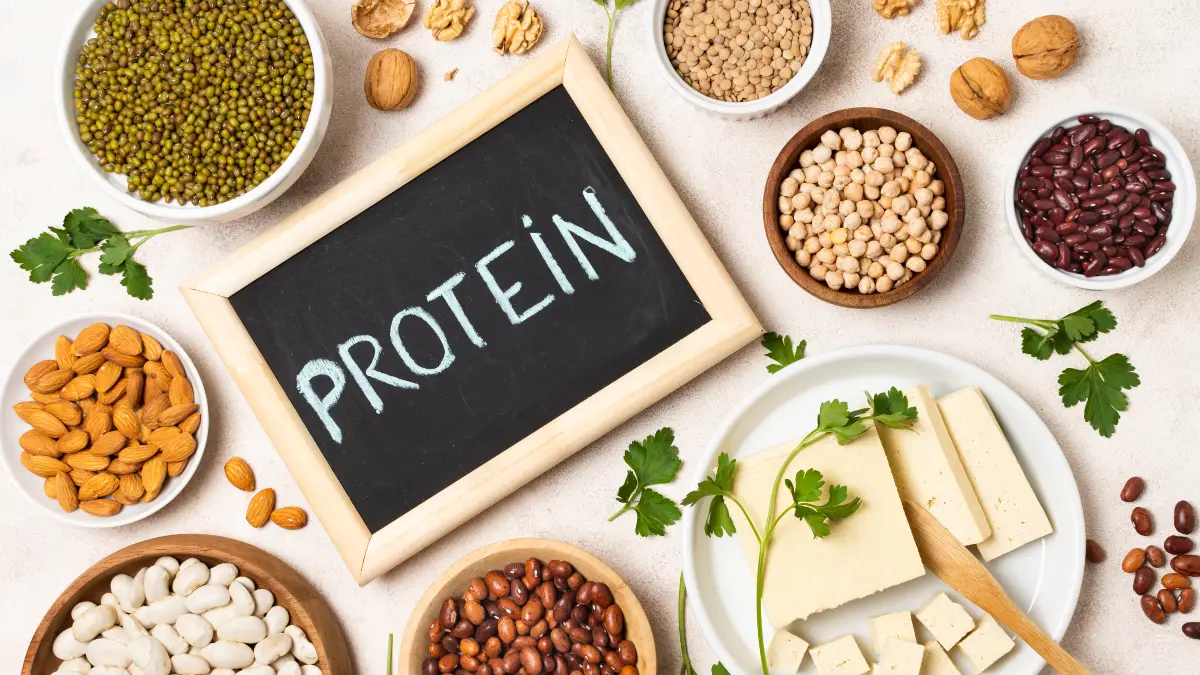
If you want to protect your muscles while losing fat, your diet must support your new training. The “Protein Leverage Hypothesis” suggests that the body will continue to feel hungry until it meets its protein requirements. For those over 50, the standard RDA is often too low. You should aim for 1.2g to 1.5g of protein per kilogram of body weight to prevent muscle wasting.
Finally, redefine the role of walking. Instead of seeing it as your primary “exercise,” view it as NEAT (Non-Exercise Activity Thermogenesis). Walking is what you do to stay mobile, digest food, and manage stress. It’s a lifestyle habit, not a weight-loss strategy.
By separating your “intensity” (strength training) from your “activity” (walking), you allow your body to recover from hard efforts while keeping your daily movement high. This balance is the secret to sustainable weight loss.
Conclusion
Walking for 10,000 steps is a wonderful habit for longevity, but it is not a metabolic silver bullet. If your goal is fat loss, you must realize that walking is for your heart, but lifting is for your metabolism. Stop expecting your daily stroll to do the heavy lifting of changing your body composition.
To see real results, prioritize your “metabolic engine” by preserving the muscle you have and building the muscle you’ve lost. Achieving permanent weight loss after 50 requires a shift from quantity to intensity.