

Building strong bones requires more than just calcium; it demands a team of nutrients like vitamin K, magnesium, and potassium that are often overlooked.
These bone-saving superfoods are frequently ignored at the supermarket, which can help prevent osteoporosis and strengthen your skeleton. Incorporating these into your daily routine is a smart move for long-term mobility.
1. Dark Leafy Greens

Photo Credit : Freepik
While kale and spinach get the attention, other dark greens are packed with bone-building nutrients. One cup of cooked turnip greens provides roughly 200 mg of calcium, which is about 20% of your daily goal. They are also exceptionally high in vitamin K, which reduces the risk of osteoporosis significantly.
Bok Choy and Chinese cabbage are equally potent alternatives to dairy, providing a high density of minerals without the saturated fat. These greens are versatile and can be easily added to stir-fries or soups for a nutritional boost. They help maintain the structural integrity of your skeleton over time.
Oregon State University research highlights that vitamin K in these greens works in tandem with calcium to assist in building healthy bones. Their studies show that low vitamin K intake is linked to lower bone density and an increased risk of hip fractures in older adults.
2. Dried Figs
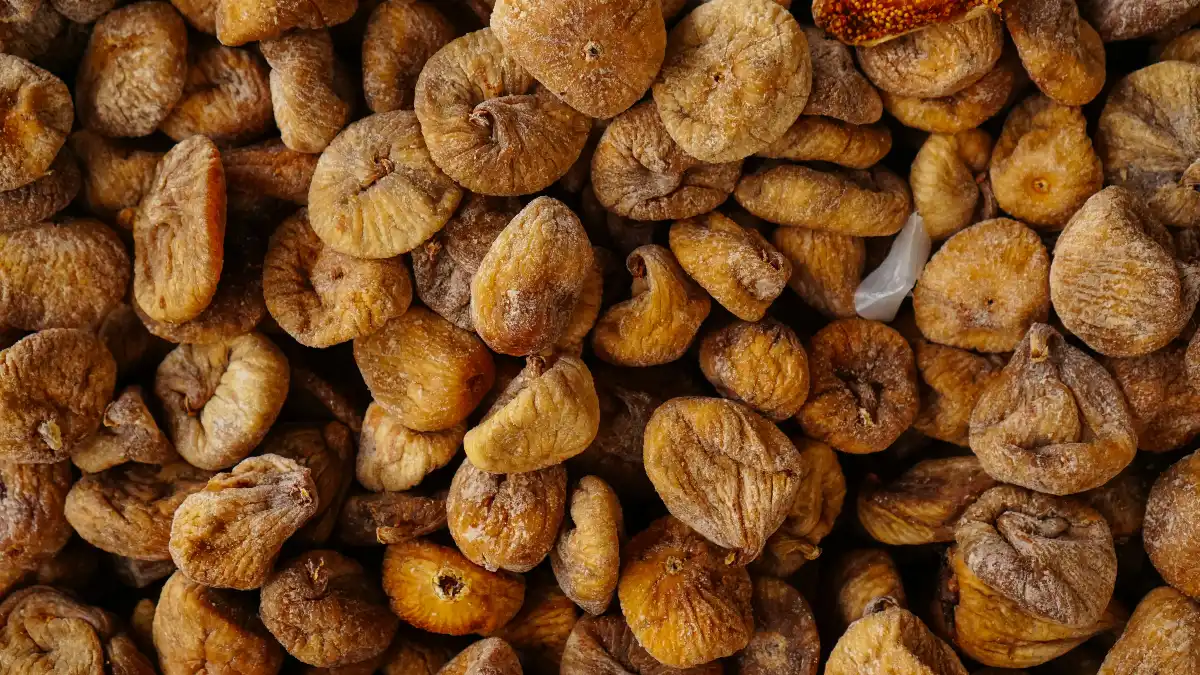
Photo Credit : Freepik
If you’re looking for a sweet, nutrient-dense snack, fresh or dried figs should be at the top of your list. Five medium fresh figs offer roughly 90 mg of calcium, along with potassium and magnesium. These minerals are crucial because they help maintain bone density and prevent mineral leaching from the skeletal system.
They are an easy, high-calcium alternative to dairy-based snacks and offer a significant amount of dietary fiber too. Including figs in your diet helps balance the body’s pH levels, which protects your bone minerals from being used to neutralize acidity. This makes them a delicious and effective bone-saving tool for any diet.
Scientists at the University of California, Davis have noted that the specific mineral profile of figs supports the alkaline environment necessary for bone health. Their findings suggest that the potassium in figs helps reduce calcium loss through urine, keeping more of it in your bones where it belongs.
3. Canned Salmon
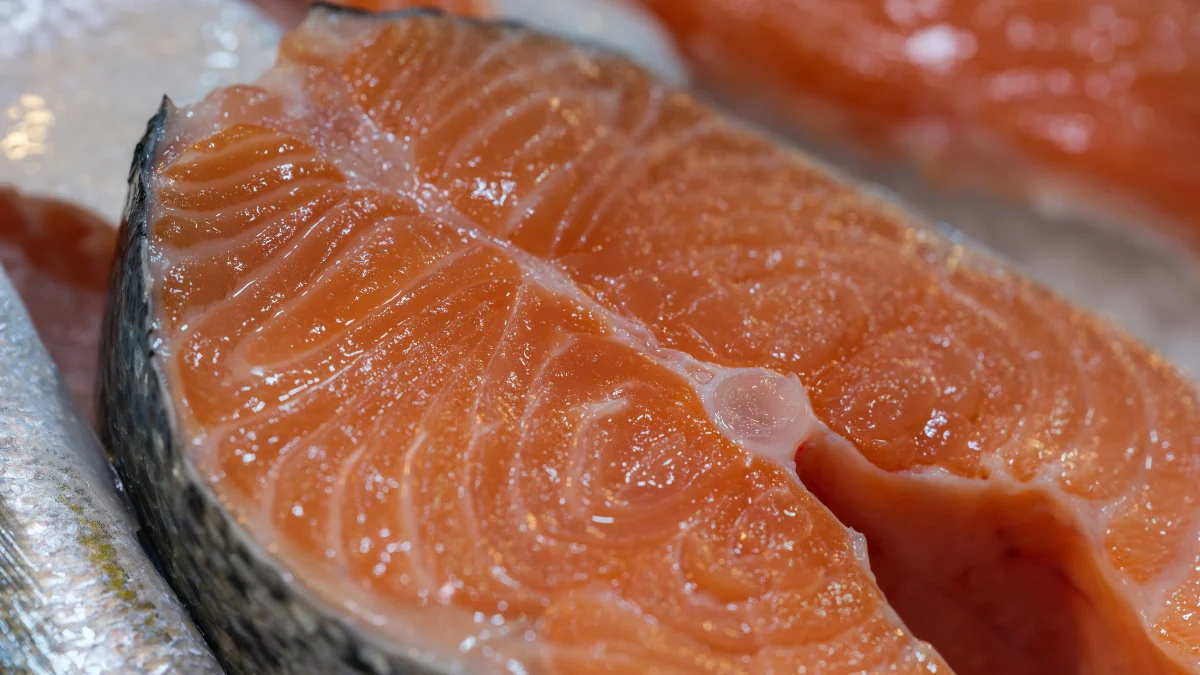
Photo Credit : Freepik
Fatty fish provides vitamin D, which helps your body use calcium, and omega-3 fatty acids, which aid bone health. However, the real bone-saving secret is buying it canned rather than fresh to get the full calcium benefit. The canning process makes the small bones soft and entirely edible.
This process adds a staggering 187 mg of calcium per three-ounce serving, making it one of the richest non-dairy sources available. It is a convenient way to get a dual punch of Vitamin D and calcium in a single meal. Many people find the softened bones blend perfectly into salads or salmon patties.
University of British Columbia research emphasizes that the calcium found in fish bones is highly bioavailable for the human body. Their studies indicate that regular consumption of small, bone-in fish significantly contributes to the maintenance of healthy bone mineral density as we age.
4. Prunes

Photo Credit : Freepik
Often ignored as a “senior” food, prunes are one of the best foods for fighting bone breakdown and maintaining strength. Research suggests that eating prunes daily can help improve bone density by slowing down the degradation of bone in the body. They are a simple, portable snack for people of any age.
Prunes work by inhibiting the cells that break down bone while promoting the activity of cells that build it up. This dual action makes them a powerful dietary intervention against the natural bone loss that occurs after age 40. Just a few prunes a day can make a massive difference in your skeletal health.
A major clinical trial at Penn State University found that postmenopausal women who ate 50 grams of prunes daily maintained their bone density better. The research concludes that the bioactive compounds in prunes reduce the inflammatory markers that typically lead to bone resorption and weakening.
5. Almond Butter
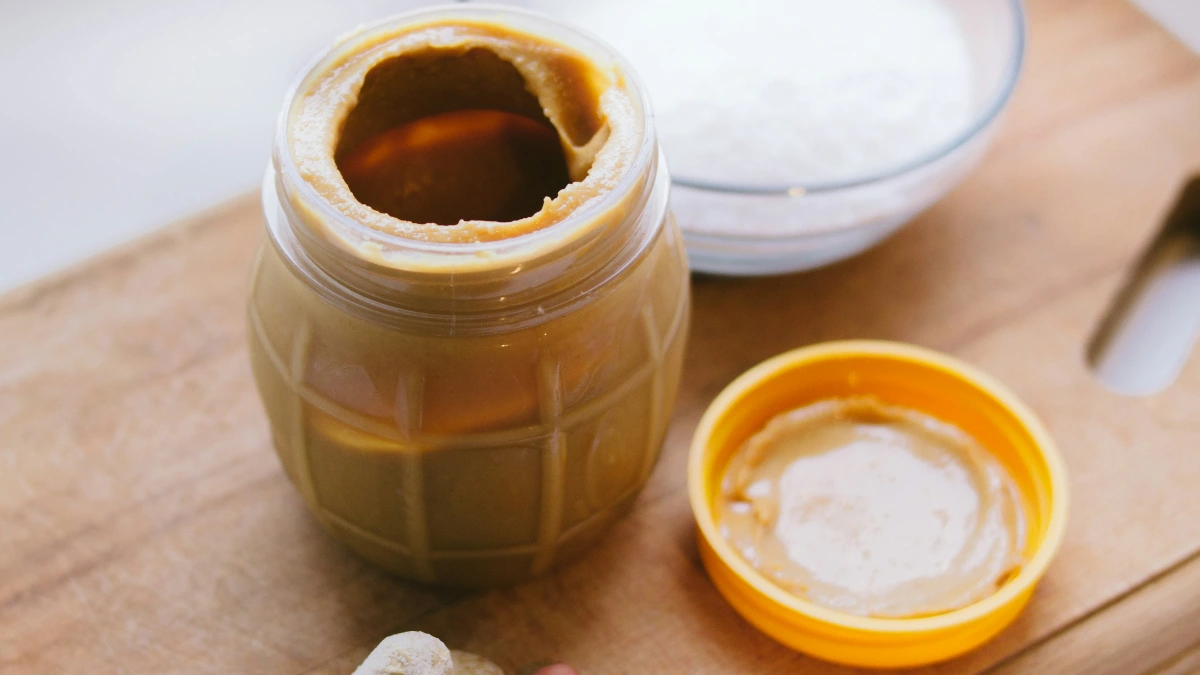
Photo Credit : Freepik
While people often grab peanut butter, almond butter is a superior choice for bones due to its higher mineral content. Two tablespoons of almond butter provide 111 mg of calcium and 240 mg of potassium, along with high-quality protein. This combination is essential for maintaining the protein matrix of your bones.
It is a versatile, nutrient-dense spread that fits perfectly into a morning routine on toast or in a protein shake. The healthy fats in almond butter also help the body absorb the fat-soluble vitamin K found in leafy greens. It provides a much more complete nutritional profile than most other common nut butters.
Research from the University of South Australia suggests that the nutrients in almonds can inhibit the formation of osteoclasts, which are cells that break down bone tissue. Their findings indicate that regular nut consumption is associated with a lower risk of developing bone-related disorders later in life.
6. Molasses

Photo Credit : Freepik
The Magnesium-Calcium Power Pair
Harvard research shows that without the Magnesium found in molasses, your body cannot effectively move Calcium into the bones.
Molasses provides Magnesium
Cell membranes open for minerals
Calcium locks into bone matrix
Instead of refined sugar or maple syrup, try using blackstrap molasses to sweeten your favorite recipes and boost mineral intake. Just one tablespoon of molasses provides 41 mg of calcium, as well as significant amounts of magnesium and iron. It is a dense source of nutrients that most sweeteners lack.
It can be easily mixed into yogurt, oatmeal, or smoothies for a natural, bone-supporting sweetener that adds a rich flavor. Because it is highly concentrated, it provides a meaningful amount of minerals in even very small serving sizes. It is an excellent way to turn a treat into a health-boosting supplement.
Experts at the Harvard T.H. Chan School of Public Health have noted that the high magnesium content in molasses is vital for bone health. Magnesium is required for the structural development of bone and for the transport of calcium across cell membranes, according to their nutritional guidelines.
7. Fortified Plant “Milks”
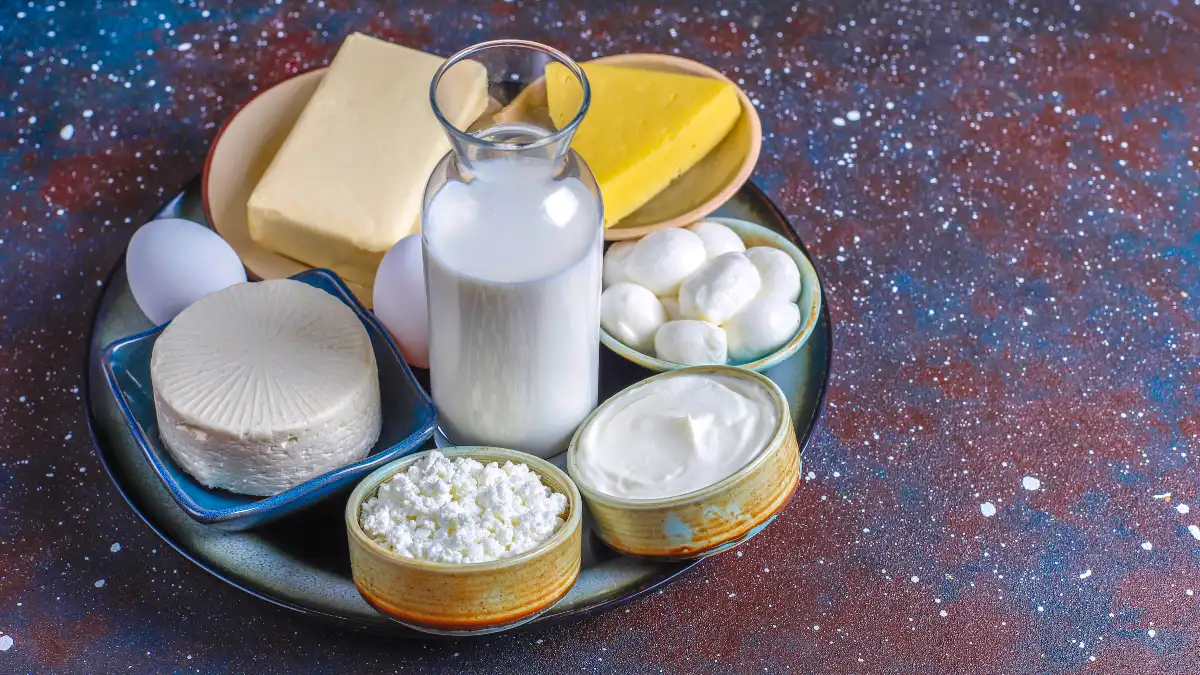
Photo Credit : Freepik
Smart Milk Swaps
Going Dairy-Free Without Losing Nutrients
Protein Content Per Cup (240ml)
Soy is the closest nutritional match to dairy for protein.
Label Checklist
Don’t just buy “Plant Milk.” Look for these keywords on the box:
Essential for bone health.
Look for 30%+ DV.
Aids calcium absorption.
Avoid hidden sugars.
The “Shake” Rule
Unlike dairy calcium, the calcium added to plant milks is heavy and settles at the bottom of the carton. Always shake vigorously before pouring, or you might leave all the nutrients in the box!
If you avoid dairy, you might be missing out on crucial Calcium and Vitamin D that are standard in cow’s milk. Many plant-based milks such as soy, almond, or coconut are heavily fortified with calcium to match or exceed dairy levels. These alternatives are vital for maintaining mineral balance in a vegan diet.
However, you must check the label to ensure they have been given this extra nutrient boost, as not all brands are fortified. Look for options that contain at least 30% of your daily calcium value per serving for the best results. These milks make it easy to reach your daily targets without consuming animal products.
A study from McGill University found that fortified soy milk is the most comparable alternative to cow’s milk in terms of nutritional balance. Their research highlights that when properly fortified, plant milks can effectively support bone health and provide the necessary vitamins for calcium absorption.