

It pays to care for your bones. Not only do they help you move and stay upright, they also help protect your delicate internal organs and supply key minerals like calcium and phosphorus when the body needs them for other uses, according to the National Institute of Arthritis and Musculoskeletal and Skin Diseases.
Unfortunately, by the age of 40, these important structures begin to lose mass as the body stops replacing old bone, according to the American Academy of Orthopaedic Surgeons (AAOS). This gradual loss can affect your ability to move under your own power and increases your risk of developing a debilitating condition like osteoporosis unless you stock up on nutrients needed to stem your losses.
“What we eat and the activities that we do throughout the year an impact on bone health,” says Angel Planells, RDN, a Seattle-based spokesperson for the Academy of Nutrition and Dietetics. To build and protect healthy bones, be sure to include these registered dietitian-approved foods in your diet to ensure you get the right mix of nutrients.
1. Dairy

There is a good reason why milk, yogurt, and cheese are the first things mentioned in conversations about bone health. The National Institutes of Health (NIH) notes that they are loaded with calcium, which is the primary nutrient responsible for maintaining bone strength and structure. According to the USDA, just one cup of fat-free milk or plain Greek yogurt is an excellent source of this vital mineral.
Whether you choose full-fat or nonfat dairy really depends on your personal health goals and taste preference. Sandy Allonen, RD, a dietitian at Beth Israel Deaconess Medical Center in Boston, suggests that if someone is trying to lose weight, they might want to stick with lower-fat products. However, the choice is flexible as long as you are getting the nutrients in.
If you do decide to go the nonfat route, you need to ensure the foods are fortified with fat-soluble vitamins. American Bone Health emphasizes the importance of Vitamin A and Vitamin D for building strong bones. Allonen warns that when you pull out the fat during processing, you often pull out these essential vitamins as well, so check your labels.
2. Nuts
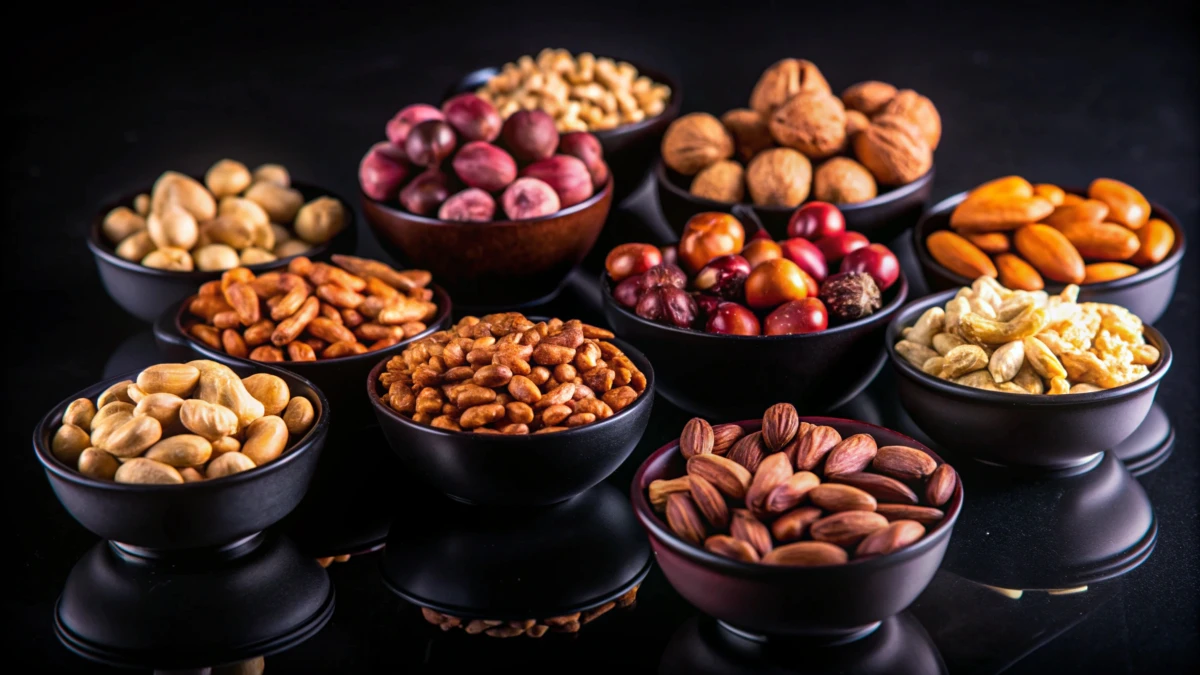
While nuts do contain some calcium, their real power lies in offering two other nutrients essential to bone health: magnesium and phosphorus. Sandy Allonen explains that magnesium is crucial because it helps your body absorb and actually retain the calcium in the bones. Without it, you might not get the full benefit of the calcium-rich foods you are eating.
Phosphorus is also a key component of your skeletal structure and shouldn’t be overlooked. In fact, roughly 85 percent of all the phosphorus in your body is found directly in your bones and teeth, according to the NIH. This makes nuts a dual-threat food for maintaining your structural integrity as you age.
You have plenty of varieties to choose from, including cashews, walnuts, and pecans, but almonds are a particularly smart choice. The USDA notes that just one ounce of almonds which is basically a small handful is a solid source of magnesium. They also provide a helpful dose of phosphorus to keep your bones healthy.
3. Seeds
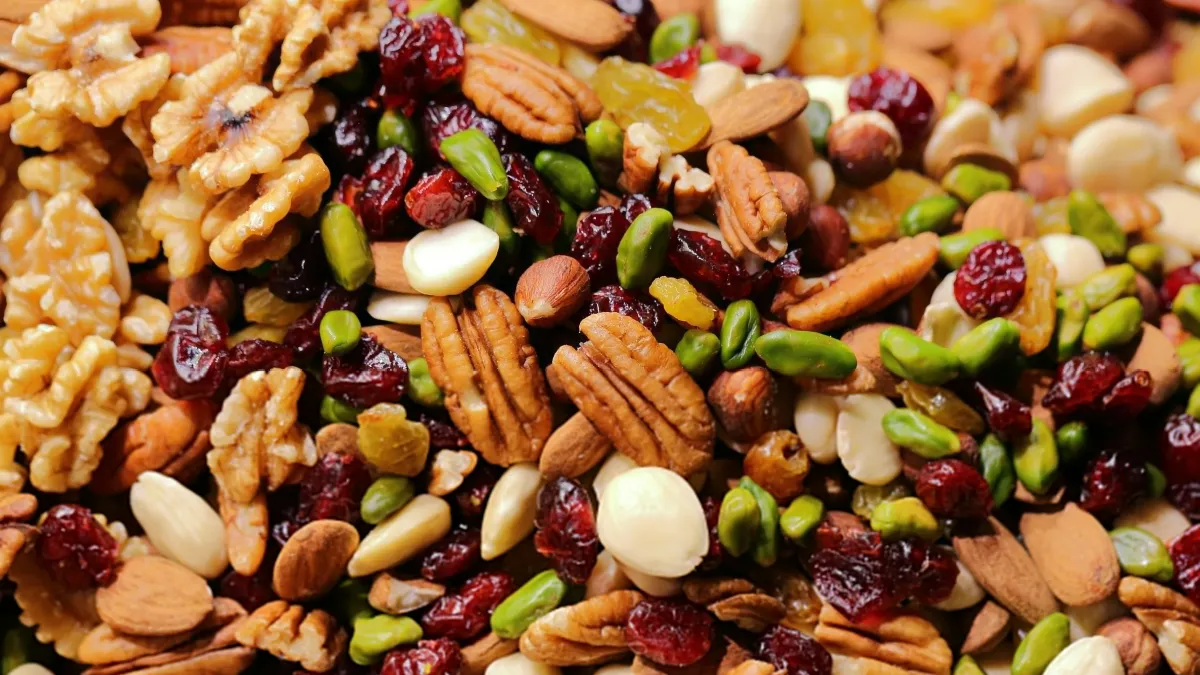
If you aren’t a fan of nuts, seeds are a fantastic alternative that provide you with calcium, magnesium, and phosphorus, says Allonen. They pack a massive nutritional punch in a very small package, making them easy to add to almost any meal without altering the flavor too much.
Seeds also provide fiber and omega-3 fatty acids, which are a type of polyunsaturated fat. According to the Academy of Nutrition and Dietetics, these fatty acids may lower cholesterol, reduce inflammation in the body, and keep your brain and nervous system working smoothly. This makes them great for your overall health, not just your skeleton.
Chia seeds, flaxseeds, and pumpkin seeds are great varieties to add, though you should eat flaxseeds ground to get the full benefit. The USDA states that one ounce of sesame seeds is an excellent source of calcium and magnesium. Try sprinkling them over a salad or blending chia seeds into your next smoothie to easily get them into your diet.
4. Cruciferous Veggies
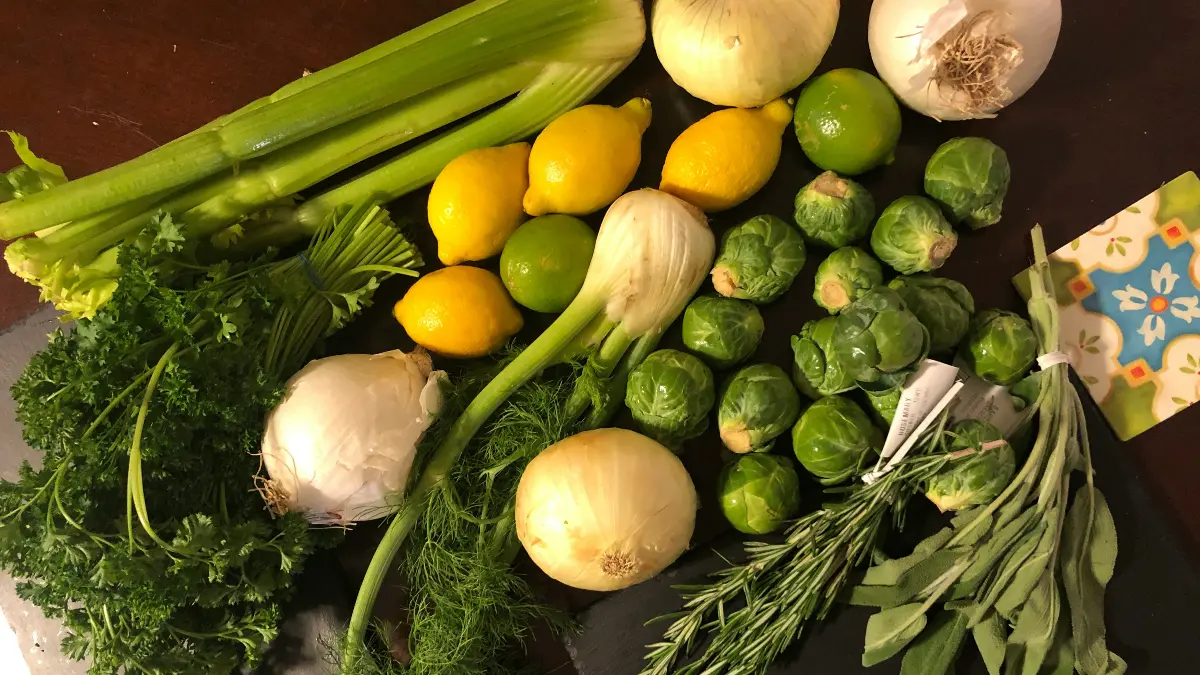
As if you needed another reason to eat your greens, a class of leafy vegetables called cruciferous veggies provides several nutrients that support bone health. Oregon State University notes that these vegetables are rich in Vitamin K and calcium. As mentioned earlier, these nutrients play a significant role in bolstering your bone health over time.
“Vitamin K works in tandem with calcium to assist in building healthy bones,” says Sandy Allonen. It is a team effort inside your body; you need both nutrients present to get the best results. One review even highlighted that a lack of Vitamin K has been associated with osteoporosis and an increased risk of fractures.
Cruciferous veggies include popular options like arugula, kale, cabbage, and broccoli, according to the National Cancer Institute. The USDA notes that a cup of cooked kale is an excellent source of Vitamin K, while broccoli offers a mix of Vitamin A, calcium, and magnesium. These versatile greens can be tossed into soups or salads easily.
5. Beans
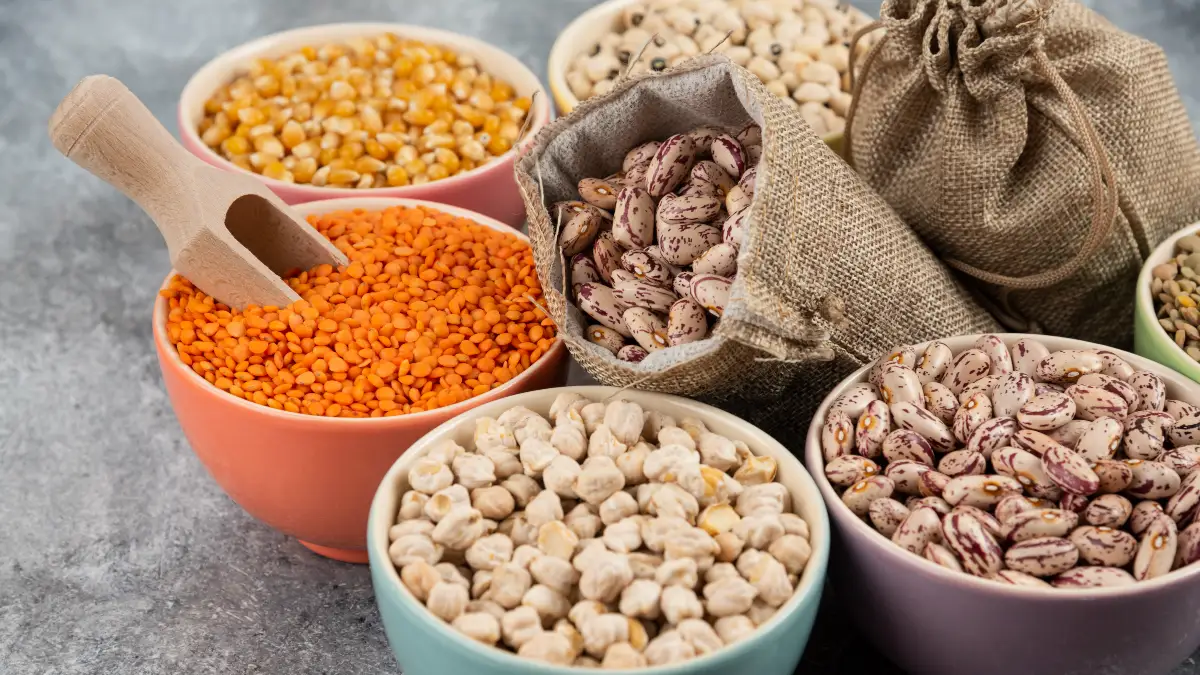
All kinds of beans, including black beans, edamame, and kidney beans, serve up a hearty dose of bone-building nutrients. They are naturally rich in magnesium, calcium, and phosphorus, which are the building blocks required to keep your skeleton dense and durable as you get older.
Beans are also high in fiber and protein, which is helpful for those on a plant-based diet. Contrary to old beliefs, a vegan diet isn’t associated with higher fracture risks if you eat enough calcium, notes recent research. The NIH recommends adults get between 1,000 and 1,300 mg of calcium per day depending on their age.
Plant foods like beans can help you reach that target while providing additional health benefits. For instance, USDA data shows that one cup of black beans offers 84 mg of calcium along with being an excellent source of magnesium. They allow you to support your bones without relying heavily on animal products.
6. Fatty Fish

The Vitamin D & Omega Connection
How much “Sunshine Nutrients” are in your serving?
3 oz serving (95% of Goal)
3 oz serving (25% of Goal)
Two Pacific Sardines
| Nutrient | Benefit to Bones | Scientific Finding |
|---|---|---|
| EPA & DHA | Inflammation Reduction | Lowers bone-destroying cytokines. |
| Calcitriol | Calcium Transport | Active Vit-D that signals gut absorption. |
Though diet alone likely won’t provide you with enough Vitamin D, fatty fish such as salmon and tuna can help bridge the gap. Angel Planells points out that these fish provide some of the vitamin, which is notoriously hard to get from food sources alone. It is one of the few tasty ways to boost your intake naturally.
Vitamin D is known as the “sunshine” vitamin and plays a key role in bone growth and remodeling, according to the NIH. Its main job is to help the gut absorb calcium; without it, your bones can’t utilize the milk or yogurt you eat. Unfortunately, research shows nearly 50 percent of the worldwide population is deficient in this nutrient.
While the sun triggers Vitamin D production, relying on it can increase skin cancer risks, so we need to focus on food options, says Planells. The USDA reports that a small can of salmon is an excellent source of Vitamin D. This helps adults reach the NIH recommendation of 600 to 800 IU per day depending on their age.
7. Fortified Juices and Whole-Grain Cereals
Lactose Intolerant?
Don’t worry. The grocery aisle has you covered.
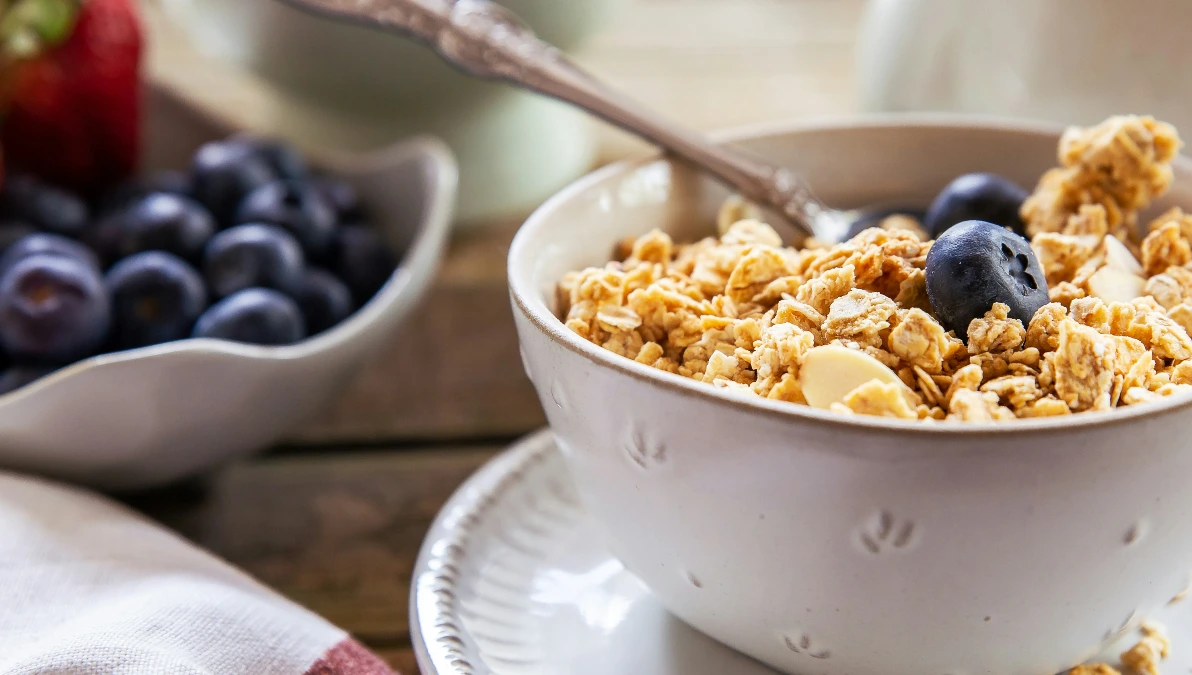
If your body cannot tolerate dairy, you can use foods fortified with calcium and Vitamin D to fill in the nutritional gaps. Angel Planells says that fortified foods like cereal and juice can be lifesavers for those with lactose intolerance. In some cases, they may even provide higher calcium amounts than leafy greens.
You have to be a label reader, but the effort is worth it for the skeletal benefits. For example, the USDA notes that one cup of Raisin Bran cereal provides calcium and is a good source of Vitamin D. It allows you to start your day with a bone-healthy meal without needing a glass of milk.
Juice is another surprising source if you buy the right kind. According to the USDA, 8 ounces of calcium-fortified orange juice is an excellent source of both calcium and Vitamin D. This makes it a simple, refreshing way to ensure you are meeting your daily mineral requirements.