

The dietary guideline was simple: if you want a healthy heart, stop eating fat. We know that advice was not only incomplete. It was potentially dangerous.
By strictly avoiding all fats, millions of people inadvertently cut out the specific nutrients required to keep arteries flexible and heart rhythms stable. The reality is that your cardiovascular system requires fat to function; the secret lies in choosing the right kind.
The solution isn’t to start eating fried foods, but to strategically introduce two “good fat” champions: Fatty Fish (rich in polyunsaturated fats) and Avocados (packed with monounsaturated fats). These foods prove that when it comes to cardiovascular health, quality matters far more than quantity. Adding these two fatty foods to your plate is one of the best moves you can make for heart disease prevention.
The Low-Fat Mistake: Why Your Heart Actually Needs These Specific Fats to Heal

The dietary guideline was simple: if you want a healthy heart, stop eating fat. We know that advice was not only incomplete. It was potentially dangerous.
By strictly avoiding all fats, millions of people inadvertently cut out the specific nutrients required to keep arteries flexible and heart rhythms stable. The reality is that your cardiovascular system requires fat to function; the secret lies in choosing the right kind.
The solution isn’t to start eating fried foods, but to strategically introduce two “good fat” champions: These foods prove that when it comes to cardiovascular health, quality matters far more than quantity. Adding these two fatty foods to your plate is one of the best moves you can make for heart disease prevention.
1. Fatty Fish
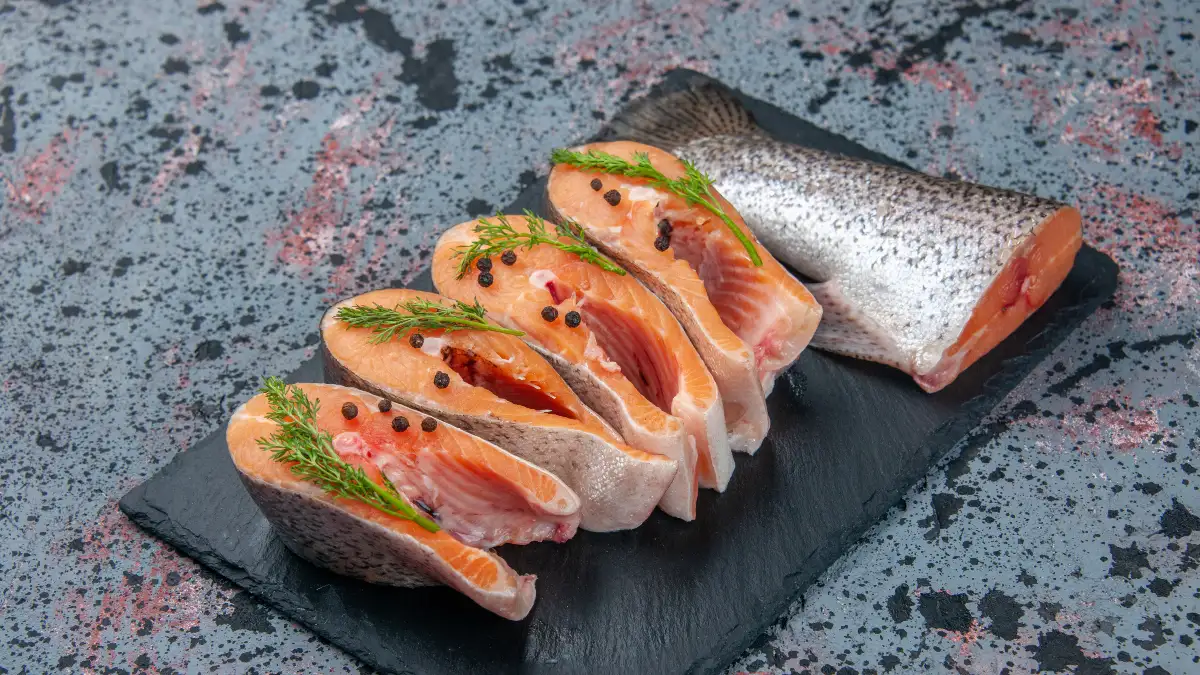
Why “Marine” Omega-3s Win
Expert Quote:
“Marine-based Omega-3s are the gold standard for reducing cardiovascular risk because the human body converts plant-based ALA at a very low rate (often less than 5%).”
When we talk about “heart-healthy” protein, chicken breast usually gets all the credit. But while poultry is lean, it doesn’t actively work to repair your heart. Fatty fish, however, is a functional food that acts almost like medicine for your bloodstream.
Not All Fish Are Created Equal It is important to make a distinction: white fish (like tilapia or cod) is a good low-calorie protein, but it lacks the heavy-hitting heart benefits of cold-water fatty fish. The magic ingredient found in salmon, mackerel, and sardines is Omega-3 fatty acids. Unlike plant-based Omega-3s (found in flaxseeds), the marine variety is “bioavailable,” meaning your body can use it immediately to fight inflammation.
The “Rhythm” and “Flow” Benefits The benefits of Omega-3 fatty acids operate on two levels:
- Triglycerides: High triglycerides are often more dangerous than high cholesterol. Omega-3s effectively inhibit the liver’s production of these fats, helping to lower triglycerides significently.
- Electrical Stability: One of the most unique benefits of fish oil is its ability to stabilize the heart’s electrical system, reducing the risk of arrhythmias (irregular heartbeats) which can lead to sudden cardiac events.
The American Heart Association (AHA) recommends eating a 3.5-ounce serving of fatty fish (about the size of a deck of cards) at least twice a week. Their data suggests this habit can significantly lower the risk of stroke and heart failure.
Actionable Advice: The “SMASH” List To get the most fatty fish benefits with the lowest mercury content, remember the acronym SMASH:
- Salmon (Wild-caught is best for higher Omega-3s)
- Mackerel (Atlantic, not King)
- Anchovies
- Sardines
- Herring
- Pro Tip: Avoid deep-frying your fish. High heat and vegetable oils can oxidize the healthy fats, negating their benefits. Stick to baking, grilling, or poaching.
2. Avocados
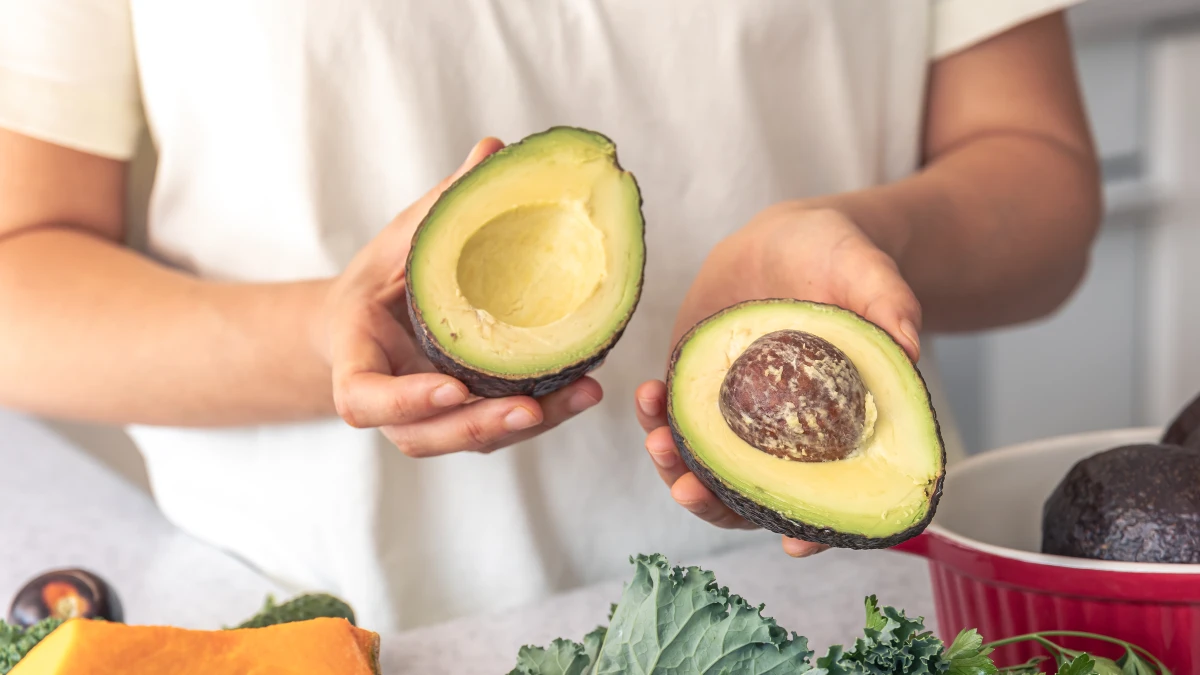
The Avocado’s Multi-Action Heart Defense
Scientic Finding:
Research in the Journal of Nutrition shows that adding avocado to tomato sauce or carrots increases the conversion of Pro-vitamin A (Beta-carotene) to its active form by up to 12.6 times. Better absorption means better arterial repair.
Avocados break every rule in the fruit kingdom. While most fruits are comprised of sugar and carbohydrates, the avocado is a creamy powerhouse of fat. However, this is exactly why it is a tier-one food for lower LDL cholesterol.
The Oleic Acid Advantage The primary fat in avocados is Oleic Acid, the same monounsaturated fat found in olive oil. This fat is chemically stable and resistant to heat-induced damage (oxidation). When you consume monounsaturated fats, they help clear out LDL (bad) cholesterol from your arteries without lowering your HDL (good) cholesterol. This creates an ideal lipid ratio for heart health.
Fiber and Nutrient Absorption Beyond the fat, avocados are a secret weapon for fiber.one fruit can contain up to 10-13 grams. This fiber acts as a net in your digestion, trapping cholesterol and preventing it from entering your bloodstream.
Furthermore, avocados are a “nutrient booster.” Vitamins A, D, E, and K are “fat-soluble,” meaning your body cannot absorb them without fat present. By adding avocado to a spinach salad, you can increase your absorption of antioxidants by up to 15 times compared to eating the salad dry.
A landmark study published in the Journal of the American Heart Association found that overweight adults who consumed one avocado per day saw a reduction in LDL particles that was significantly greater than those on a standard low-fat diet.
Avocado Nutrition Snapshot:
- Potassium: Contains more potassium than a banana (vital for blood pressure control).
- Plant Sterols: Contains beta-sitosterol, which competes with cholesterol for absorption.
- Pro Tip: Don’t fear the browning. If your guacamole turns slightly brown, it’s just oxidation (like an apple), it is still safe and healthy to eat.
The “Smart Swap”
Smart Swap Impact on Lipid Markers
| The Swap | LDL (Bad) | Triglycerides | HDL (Good) |
|---|---|---|---|
| Salmon vs. Ribeye | ▼ Down | ▼▼ Sharp Drop | ▲ Up |
| Avocado vs. Butter | ▼▼ Sharp Drop | — Neutral | ▲ Up |
| Sardines vs. Cheese Snacking | ▼ Down | ▼ Down | ▲▲ Sharp Up |
The biggest mistake people make when adopting a heart-healthy diet is adding healthy fats on top of their current diet. This leads to excess calorie intake. The secret to success in is the “Smart Swap” replacing a damaging fat with a protective one.
Practical Diet Swaps:
- The Meat Swap: Instead of a Friday night ribeye steak (high in saturated fat), grill a sockeye salmon fillet. You are removing arterial inflammation and replacing it with anti-inflammatory Omega-3s.
- The Spread Swap: Instead of using butter or mayonnaise on your sandwich, use mashed avocado. You get the same creamy texture but swap pore-clogging saturated fat for artery-cleansing monounsaturated fat.
- The Snack Swap: Swap processed cheese and crackers for a tin of sardines or a half-avocado with a squeeze of lemon.
By focusing on these swaps, you practice clean eating without feeling deprived, turning every meal into a proactive step for your health.
Conclusion
It is time to make peace with fat. The science is clear: eliminating fat is not the answer to preventing heart disease. The answer lies in choosing the type of fat that supports your biology.
Fatty fish and avocados are not just foods; they are functional tools. The former acts as a regulator for your triglycerides and heart rhythm, while the latter acts as a detergent for LDL cholesterol.
Your Call to Action: You don’t need to overhaul your life today. This week, try one simple change to manage cholesterol naturally: replace your Friday steak dinner with grilled salmon, or swap your morning buttered toast for avocado mash. Your heart will thank you for the upgrade.