

Does the thought of another bowl of iceberg lettuce make you want to give up on heart health entirely? You aren’t alone. For decades, the standard advice for improving cardiovascular health has felt like a sentence to a lifetime of “rabbit food,” cold, crunchy, and often unsatisfying.
Sustainable health requires satiety, not just leaves. If you are constantly hungry or craving comfort food, your diet won’t last. Fortunately, nutritional fatigue doesn’t have to be the end of your journey. New research emerging confirms that you can lower cholesterol and blood pressure with “robust” foods, warm, hearty, and satisfying options that actually feel like a meal.
In this guide, we are skipping the salad bar. Instead, we are focusing on 8 scientifically backed, nutrient-dense foods that prove a heart-healthy diet can be delicious, filling, and entirely lettuce-free.
1. Oatmeal & Whole Grains
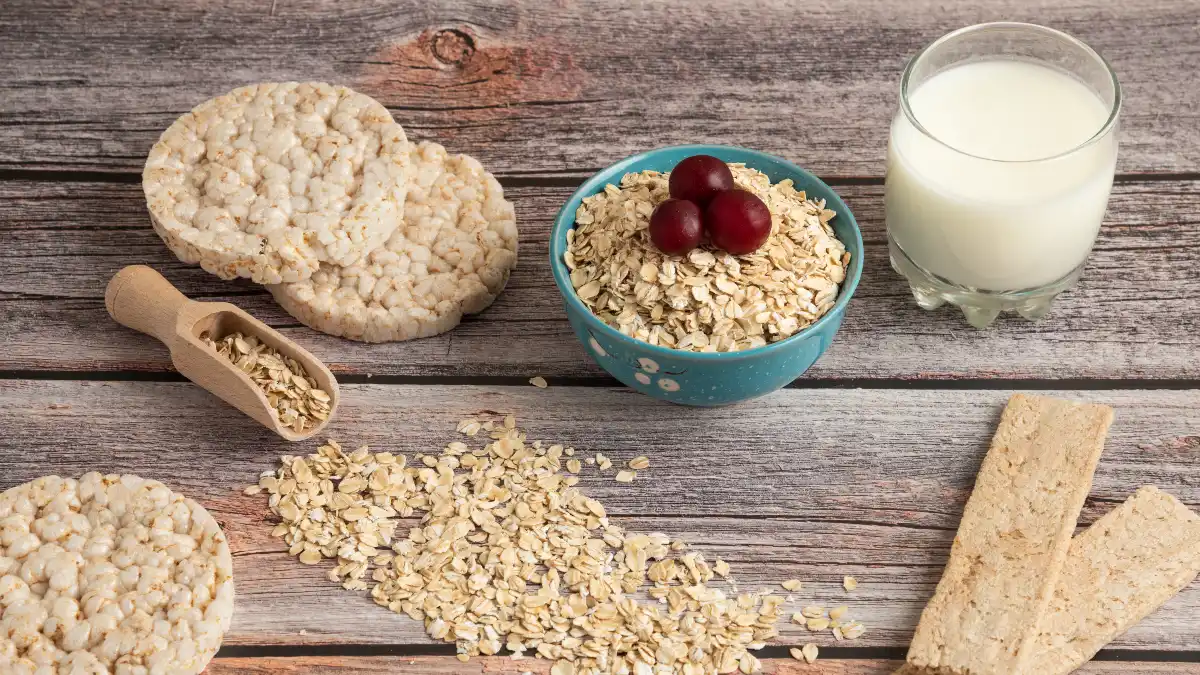
If you want to clear your arteries, think of oatmeal as a biological sponge. It isn’t just a cozy breakfast staple; it is a functional tool for managing lipids. The magic ingredient here is beta-glucan, a unique type of soluble fiber that dissolves in the digestive tract to form a thick gel. This gel binds to cholesterol in the gut, preventing it from being absorbed into your bloodstream.
According to meta-analyses from the National Institutes of Health (NIH), consuming just 3g of beta-glucan daily can reduce lower LDL cholesterol (the “bad” kind) by approximately 0.30 mmol/L.
How to eat it:
- Skip the packets: Instant packets are often loaded with sugar. Opt for steel-cut or rolled oats.
- Go Savory: Tired of sweet breakfasts? Cook oats with vegetable broth and top with a poached egg for a savory, risotto-like texture.
- Overnight: Soak them in almond milk with chia seeds for a grab-and-go morning meal.
2. Salmon, Sardines & Fatty Fish

While oats handle cholesterol, fatty fish are the heavy lifters for your blood vessels and heart rhythm. Fish like salmon, mackerel, and sardines are the premier sources of omega-3 fatty acids (specifically EPA and DHA). These healthy fats are crucial because your body cannot produce them on its own; they must come from food.
Omega-3s work to reduce triglycerides, lower blood pressure slightly, and reduce the risk of developing irregular heartbeats (arrhythmias). The American Heart Association’s dietary recommendations emphasize eating fish, particularly fatty fish, at least twice a week (serving size of 3-4 oz).
How to eat it:
- The Budget Option: You don’t need expensive fresh fillets. Canned sardines or salmon (bones included) offer the same heart rhythm benefits and are extra rich in calcium.
- The Grill: Grilled salmon steaks provide a meaty, satisfying texture that feels indulgent, not restrictive.
3. Beans, Lentils & Legumes
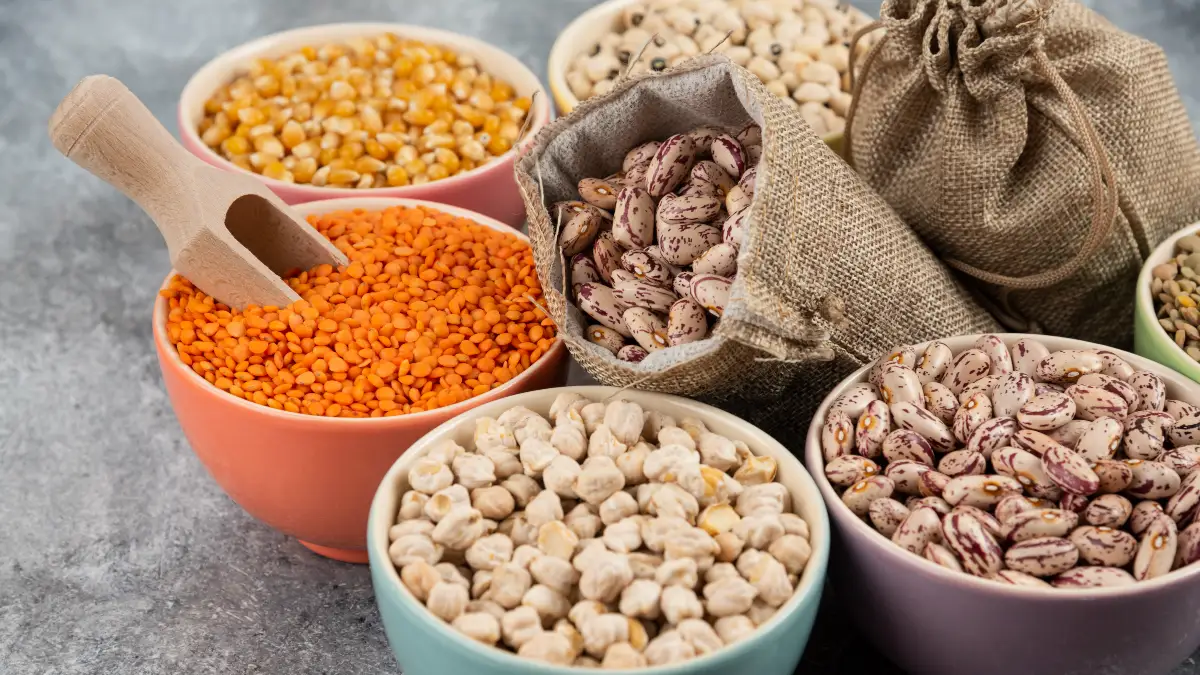
If you are looking to manage hypertension without feeling deprived, legumes are your best friend. Beans, lentils, and chickpeas are powerhouse foods packed with plant-based protein, fiber, and essential minerals like magnesium and potassium. These minerals act as natural blood pressure regulators by helping your blood vessels relax and balancing out the negative effects of sodium.
Recent studies have highlighted just how potent these foods are, showing that regular dry bean consumption is linked to a staggering 47% lower risk of hypertension in young adults. They are the definition of “robust”—hearty enough to replace meat in stews and chilies.
How to eat these potassium-rich foods:
- The Swap: Replace half the ground meat in your taco or chili recipe with black beans or lentils.
- Creamy Soups: Puree white beans into soups to add creaminess without using heavy dairy cream.
- Roasted Snacks: Roast chickpeas with paprika for a crunchy alternative to chips.
4. Avocados & Healthy Fats
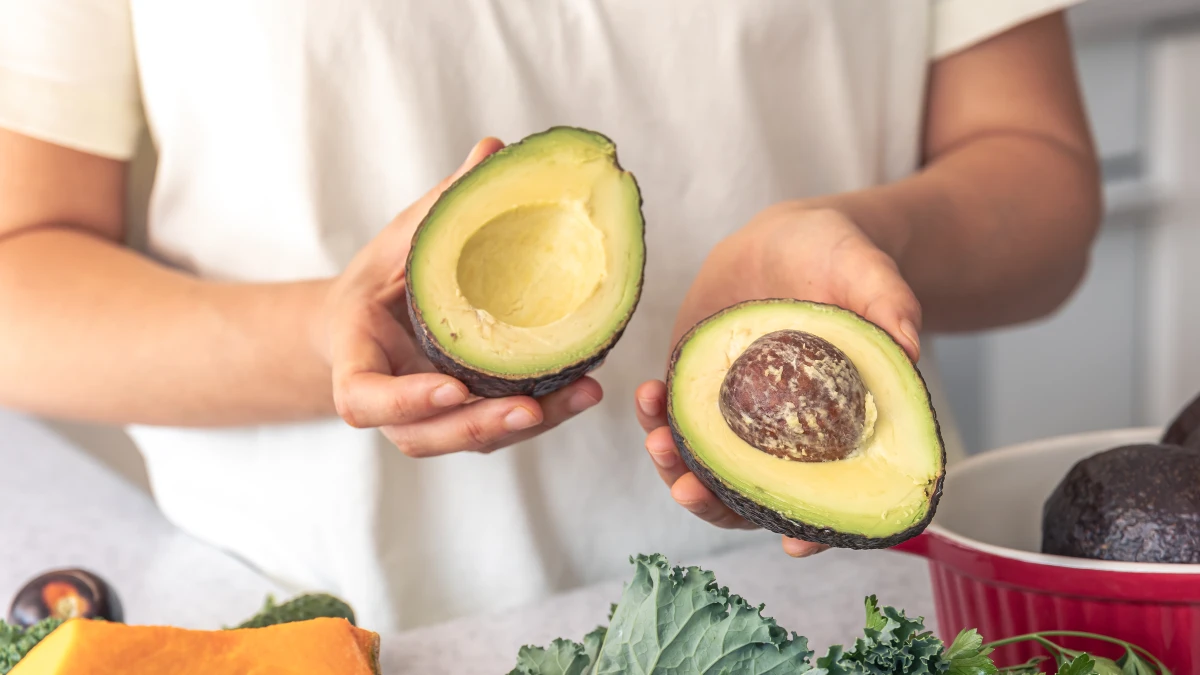
For years, we were told to avoid fat to save our hearts. We now know that the type of fat matters most. Avocados are rich in monounsaturated fat (oleic acid), which helps reduce inflammation and lower bad cholesterol while maintaining or boosting good cholesterol (HDL).
Beyond the fats, avocados provide a satiety factor that salads often lack. A study published in the Journal of the American Heart Association in early found that participants who ate one avocado per day saw significant improvements in their overall diet quality scores and blood lipid profiles compared to those who didn’t.
How to maximize avocado benefits:
- Toast Topper: Mash half an avocado on whole-grain toast for a breakfast that keeps you full until lunch.
- Smoothie Booster: Add a quarter avocado to fruit smoothies for a creamy texture and slow-burning energy.
- Baked: Crack an egg into an avocado half and bake it for a warm, high-protein meal.
5. Walnuts, Almonds & Seeds
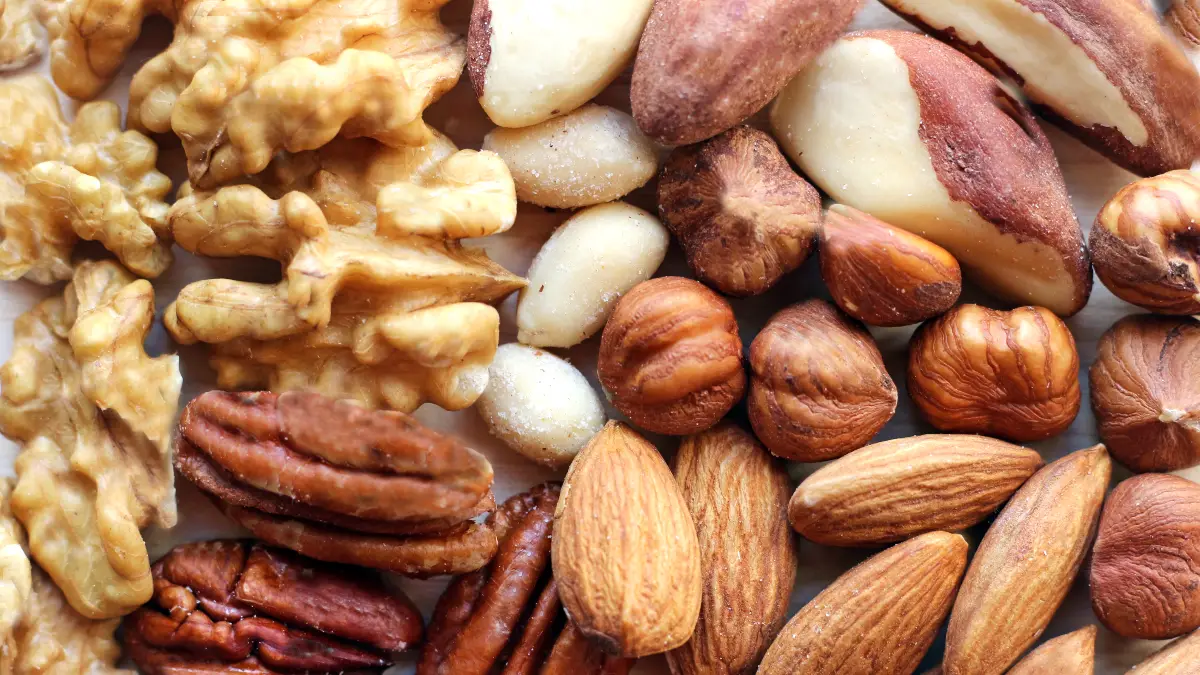
Nuts are the ultimate evidence that good things come in small packages. They serve as a vital link between your gut health and your heart health. New research has solidified the “gut-heart axis,” showing that a healthy microbiome positively influences cardiovascular risk.
A study showed that eating just 2 oz of almonds daily not only reduced “bad” cholesterol but also improved gut bacteria diversity. Furthermore, walnuts are unique among nuts as they are an excellent source of alpha-linolenic acid (ALA), a type of plant-based omega-3s linked to CVD risk reduction.
How to use these healthy snacks:
- The Crunch Factor: Sprinkle pumpkin seeds or walnuts over roasted vegetables for texture.
- Portion Control: Nuts are calorie-dense. Stick to a small handful (about 1.5 oz) per day.
- Nut Butters: Choose natural almond or walnut butter without added oils or sugars for a gut health-friendly spread.
6. Quinoa, Barley & Brown Rice
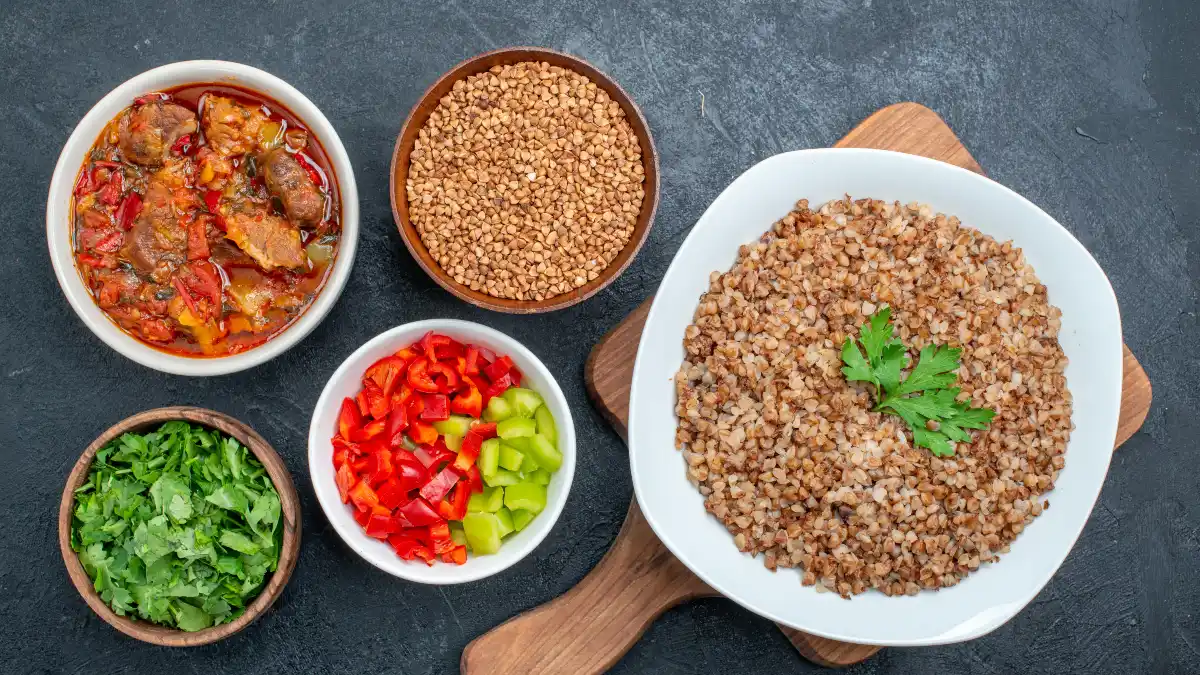
To support a strong heart, you must also manage your metabolic health. This is where whole grains like quinoa, barley, and brown rice shine. Unlike refined white grains, which spike your insulin, these fiber-rich grains digest slowly, providing a steady release of energy and helping to manage blood sugar levels.
Research links high-quality carbohydrate intake specifically to healthier aging and better cognitive function, proving that what is good for the heart is also good for the brain. The complex structure of these grains requires your body to work harder to break them down, boosting your metabolism slightly in the process.
How to get whole grain benefits:
- The Base: Use quinoa or barley as a warm base for roasted veggie bowls instead of white rice.
- Soups: Add barley to vegetable soups; it expands and adds a chewy, satisfying texture.
- The Swap: Use brown rice pasta instead of white flour pasta for a higher fiber dinner.
7. Sweet Potatoes & Root Vegetables
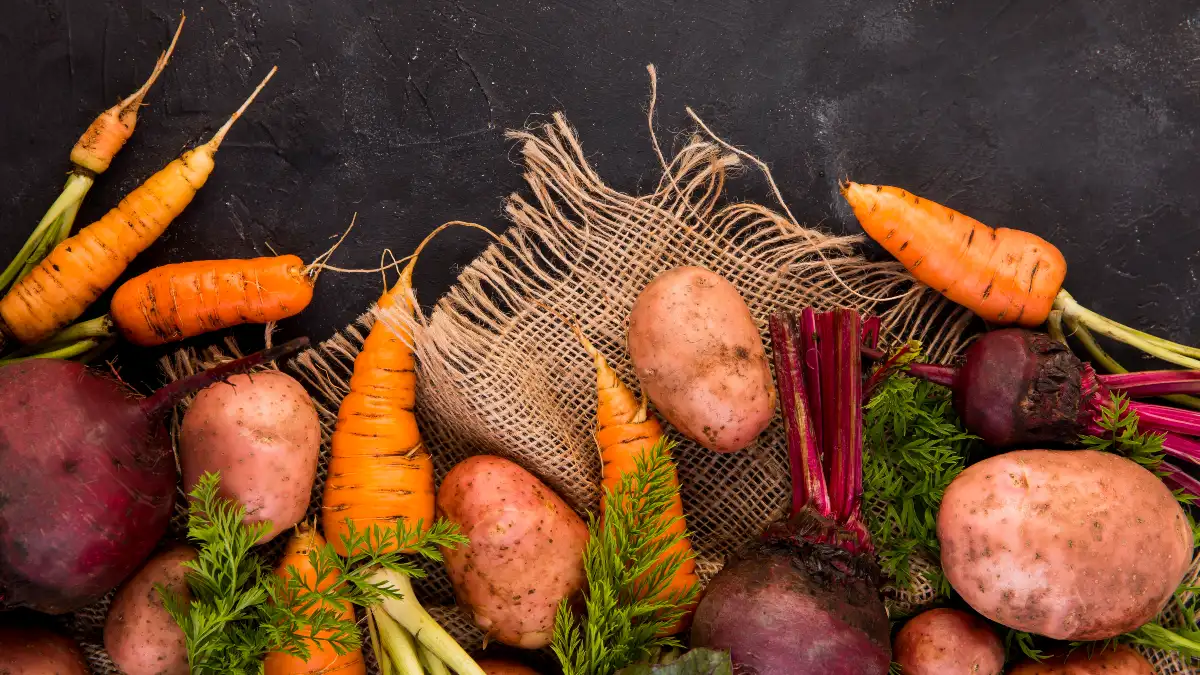
When you crave comfort food, sweet potatoes are the perfect “anti-salad” solution. They offer that starchy satisfaction but come with a much better nutritional profile than standard white potatoes. They have a lower glycemic index, meaning they won’t spike your blood sugar as aggressively.
According to data released by the Cleveland Clinic, a single medium sweet potato (approx. 180g) packs about 5.9g of fiber and is a top source of potassium (286mg per half-cup). They are also rich in the antioxidant lycopene (especially the purple and red varieties), which supports arterial health.
How to use this fiber source:
- Stuffed: Bake them whole and stuff with black beans and salsa for a complete meal.
- Fries: Slice into wedges, toss with olive oil, and air-fry for a heart-smart side dish.
- Mash: Mash with a drizzle of olive oil and cinnamon instead of butter and cream.
8. Dark Chocolate (70% Cocoa+)
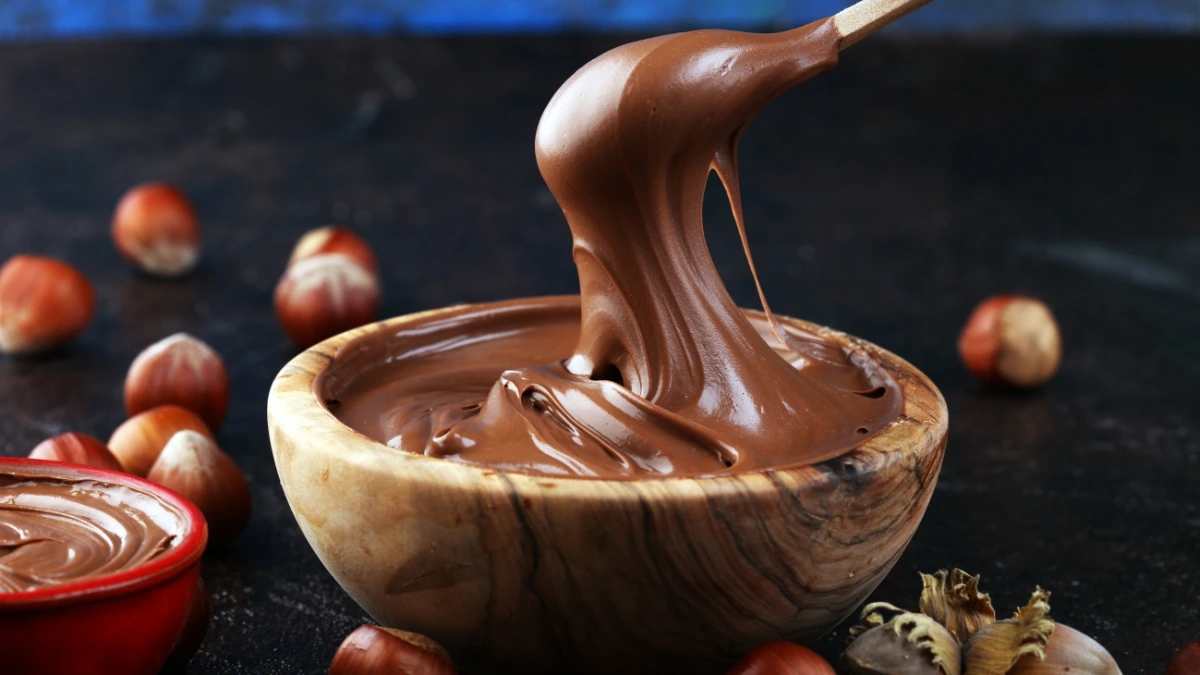
Yes, you can have dessert. In fact, for your blood vessels, you should. Dark chocolate is rich in flavonoids (specifically flavanols), which trigger the lining of your arteries to produce nitric oxide. This molecule sends signals to the arteries to relax, which improves blood flow and helps lower blood pressure naturally.
Findings from late 2024 and throughout 2025 have reinforced the connection between daily dark chocolate consumption and reduced risk of Type 2 Diabetes and improved vascular function. The key is strict portion control and high cocoa content.
How to enjoy this heart-healthy treat:
- The Rules: Stick to chocolate that is at least 70% cocoa. Higher percentages mean less sugar and more antioxidants.
- The Pairing: Eat a square with a few almonds to blunt any blood sugar response.
- The Amount: Aim for about 1 ounce (roughly two squares) a few times a week.
Conclusion
You do not need a salad fork to save your heart. As we have seen, the path to better cardiovascular health is paved with warm bowls of oatmeal, savory roasted sweet potatoes, and even the occasional piece of dark chocolate.
By focusing on these “robust” foods, you solve the biggest problem with most diets: hunger. These foods provide the fiber, healthy fats, and nutrients your body needs to regulate cholesterol and blood pressure while actually keeping you satisfied.
Actionable Next Step: Pick just one of these robust foods to add to your grocery list this week. Whether it is swapping white toast for avocado toast or snacking on almonds instead of chips, small, delicious changes lead to lasting results.