
You buy organic, avoid GMOs, and shop at health food stores, so why is your digestion still struggling?
It’s a frustrating paradox. You’re doing everything “right” by modern clean-eating standards, yet you’re still battling bloating, fatigue, and irregularity. The problem often lies in the “Health Halo” effect. We assume that because a product is certified organic, it is automatically safe for our biology. But your gut bacteria don’t care about organic certifications; they care about chemistry.
Many “clean” foods still contain compounds like processed starches, natural sugars, and inflammatory fats that can erode the mucus barrier of your gut (the “mucosa”) and feed pathogenic bacteria just as effectively as their conventional counterparts.
In this guide, we’re stripping away the marketing labels to reveal the 7 specific food categories that are damaging your microbiome right now backed by the latest research from late 2024 and 2025.
1. Ultra-Processed Foods
Bacteria are evolving to digest processed starches aggressively, outcompeting the species that protect your gut.

You walk down the organic aisle and grab a bag of “Organic Cassava Puffs” or “Veggie Straws.” The ingredients look clean, and it’s gluten-free, so it must be gut-friendly, right?
It’s not just about the chemicals; it’s about the matrix (the physical structure of the food). When you eat a “puff” or a heavily processed chip, the cellular structure of the plant has been obliterated. This allows the starch to be digested rapidly in the upper GI tract, starving the beneficial bacteria in your lower colon that rely on slow-digesting fibers. Worse, your microbiome adapts to this “easy fuel” in dangerous ways.
A groundbreaking study from UCLA (published December 17, 2025) found that gut bacteria in industrialized populations are actually evolving to digest processed starches more aggressively. These evolved bacteria can outcompete the beneficial, slow-growing species that protect your gut lining, leading to dysbiosis (an imbalance of gut flora).
The Swap:
- Swap: “Puffs” and chips $\rightarrow$ Roasted chickpeas or air-popped popcorn (organic).
- Why: You need the physical fiber structure intact to feed the right bacteria.
2. Added Sugars
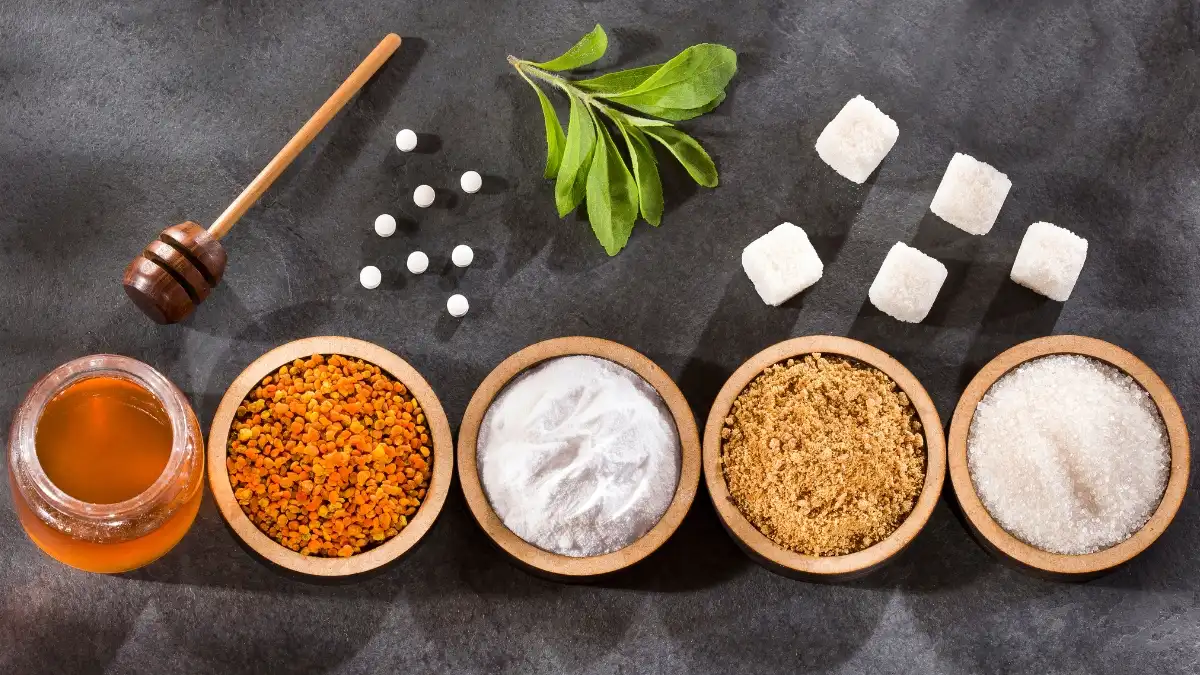
Many health-conscious eaters justify “Organic Cane Sugar,” “Agave Nectar,” or “Maple Syrup” because they are natural. You might add them to your oatmeal or buy “healthy” organic granola bars loaded with them.
To your microbiome, sugar is sugar. Whether it comes from a beet or a high-fructose corn syrup factory, simple sugars are rapidly fermented by Proteobacteria (the bad guys) and Candida yeast. This fermentation produces gas (bloating) and weakens the tight junctions between your intestinal cells, leading to “leaky gut.”
Research published in Frontiers in Immunology (late 2024) confirmed that high-sugar diets regardless of the sugar source directly compromise the intestinal barrier. The study highlighted that excess glucose triggers innate immune activation in the gut, creating a cycle of low-grade inflammation that prevents the gut lining from healing.
The Swap:
- Swap: Cane sugar/Agave $\rightarrow$ Pure Monk Fruit or Ceylon Cinnamon.
- Why: Cinnamon helps stabilize blood sugar, and Monk Fruit doesn’t ferment in the gut.
3. Artificial & Non-Caloric Sweeteners
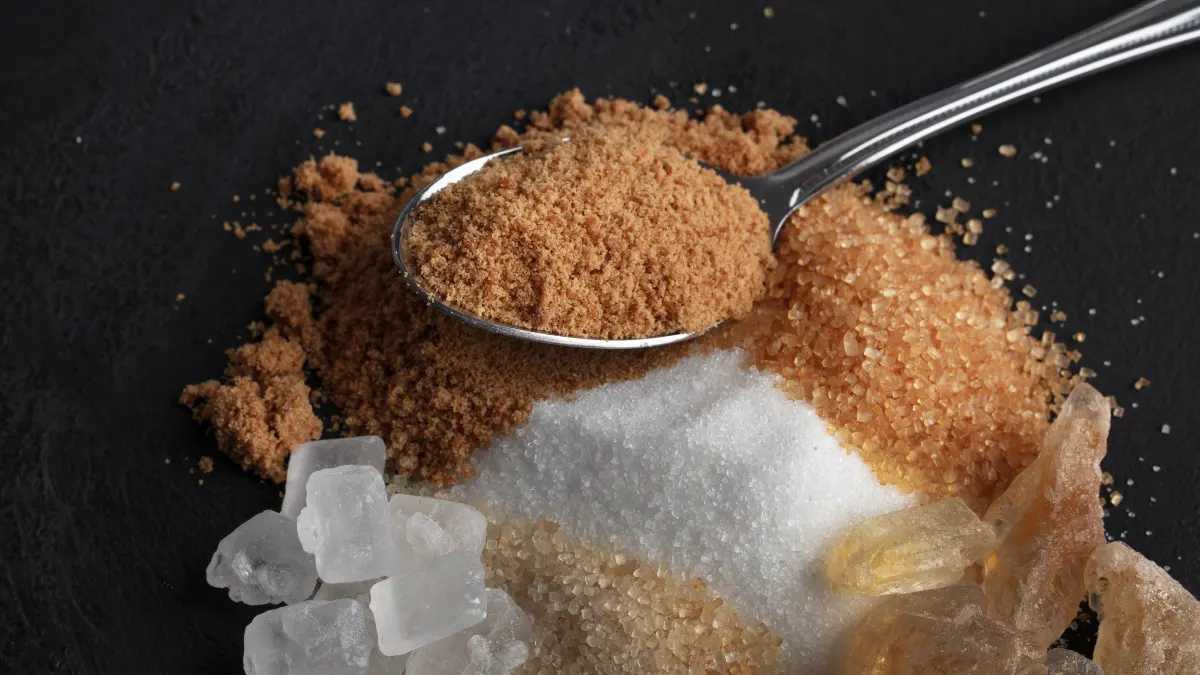
To avoid sugar, you might switch to “Zero Sugar” organic drinks or protein powders sweetened with sucralose or aspartame, thinking you’re saving your insulin levels.
“Zero calories” does not mean zero consequence. These compounds can “confuse” the gut environment. Since your body can’t digest them, they travel to the colon intact, where they can have a toxic effect on beneficial microbes or alter the way your bacteria communicate (quorum sensing).
A review in Frontiers in Microbiology and data from the Cleveland Clinic highlight that non-nutritive sweeteners like aspartame and sucralose significantly reduce microbiome diversity. Specifically, they have been linked to a reduction in Lactobacillus and Bifidobacterium the two most critical families for gut immunity and can even induce glucose intolerance by altering gut bacteria.
The Swap:
- Swap: Artificial sweeteners $\rightarrow$ Small amounts of raw honey or whole Stevia leaf (green powder, not white bleached).
- Why: Raw honey contains prebiotic enzymes that can actually support digestion in small doses.
4. Fried Foods
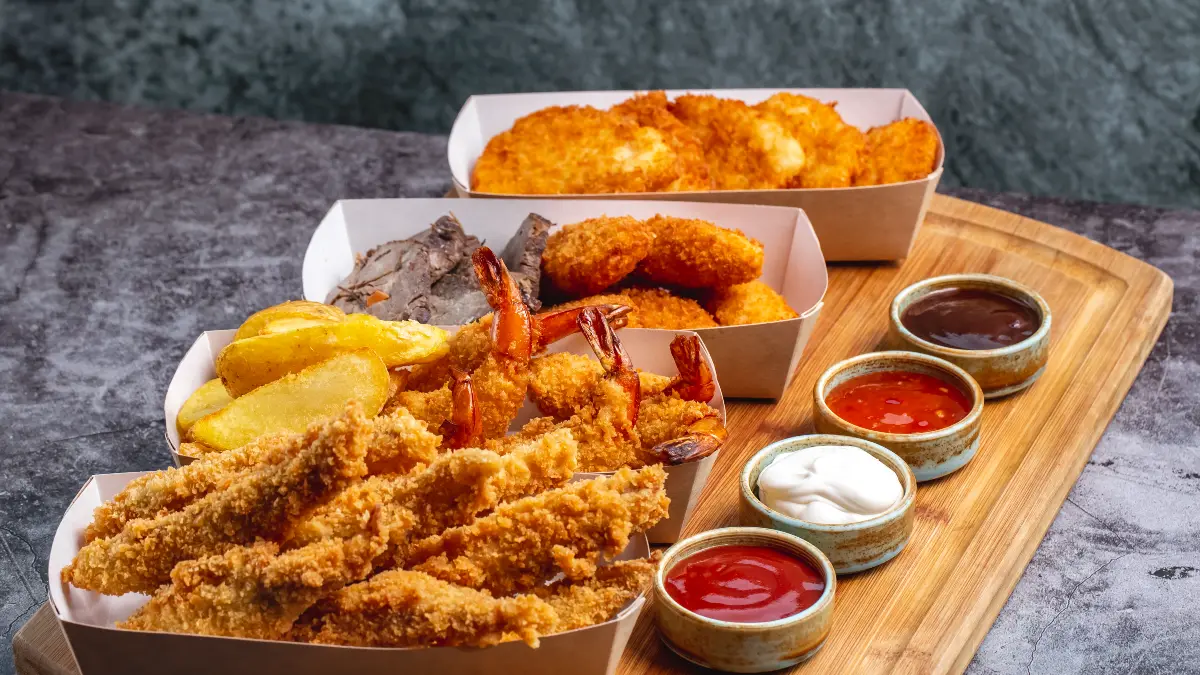
You order “Sweet Potato Fries” fried in organic sunflower oil, or you buy organic potato chips. Since it’s not “vegetable oil” or lard, it feels like a safe indulgence.
The problem isn’t just the oil quality; it’s the heat. High-temperature frying (usually above 350°F/175°C) creates Advanced Glycation End-products (AGEs) and oxidized lipids. When these compounds hit your gut, they act like free radicals, triggering inflammation in the gut lining (epithelium) and increasing oxidative stress.
A study published in Cell Reports Medicine (April 2025) demonstrated that high-AGE generating cooking methods (like frying) directly increased serum inflammatory markers and negatively altered lipid profiles. The researchers noted that these oxidized fats trigger “visceral hypersensitivity” making your gut more sensitive to pain and bloating.
The Swap:
- Swap: Deep frying $\rightarrow$ Air frying or Roasting with avocado oil.
- Why: Air frying uses convective heat rather than submerging food in oxidizing fats, significantly reducing AGE formation.
5. Excessive Red Meat
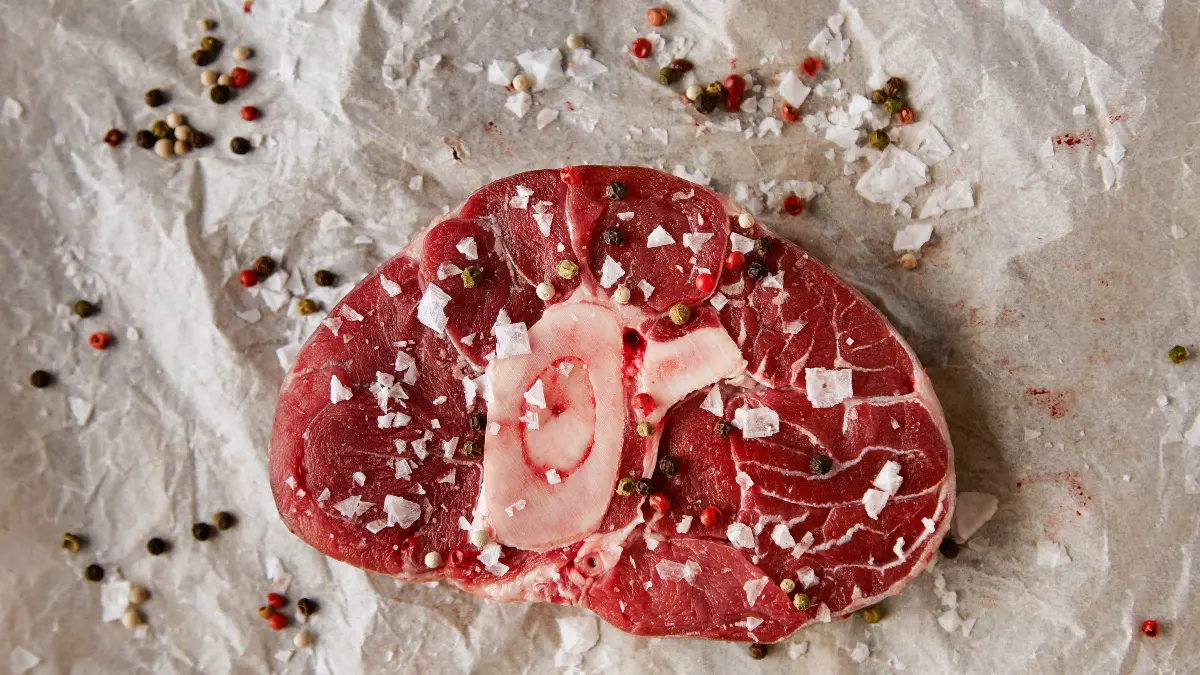
You stick to 100% grass-fed, organic beef. While this is nutritionally superior to grain-fed beef, eating it in large quantities (e.g., daily steaks or heavy ground beef meals) can still be problematic for the gut.
Red meat is high in L-carnitine. When your gut bacteria digest carnitine, they produce a byproduct called TMA (Trimethylamine), which your liver converts to TMAO (Trimethylamine N-oxide). High levels of TMAO are pro-inflammatory and are linked to hardening of the arteries and gut dysbiosis.
Research from Tufts University has consistently linked high levels of TMAO to increased risks of chronic disease. 2024 analyses continue to support that the conversion of carnitine to harmful TMAO happens regardless of whether the meat is organic or antibiotic-free it is a result of the bacterial fermentation of the nutrient itself.
The Swap:
- Swap: Daily steak $\rightarrow$ Plant-forward proteins (lentils, tempeh) or Fish (low in carnitine).
- Why: Reducing the “substrate” (carnitine) naturally lowers the production of the inflammatory TMAO byproduct.
6. Alcohol

You drink organic, sulfite-free, biodynamic red wine. It’s rich in resveratrol, so it’s often touted as “heart healthy.”
Ethanol acts as a solvent. Just as alcohol disinfects a wound by killing bacteria, drinking alcohol thins the mucus layer protecting your gut wall. This allows bacterial endotoxins (LPS) to leak into your bloodstream, causing systemic inflammation (often called “hangover inflammation”).
A study in Gut Microbes (December 2025) titled “Impact of peripheral circadian misalignment and alcohol” found that alcohol intake decreases the resiliency of the intestinal barrier, making it more susceptible to injury. Furthermore, a Nov 2025 study in Communications Biology confirmed that this “leaky gut” effect from alcohol can even weaken the blood-brain barrier.
The Swap:
- Swap: Alcohol $\rightarrow$ Kombucha (trace alcohol, high probiotics) or Mocktails with bitter herbs.
- Why: Bitters stimulate digestive juices and liver detox without the solvent effect of ethanol.
7. Dairy
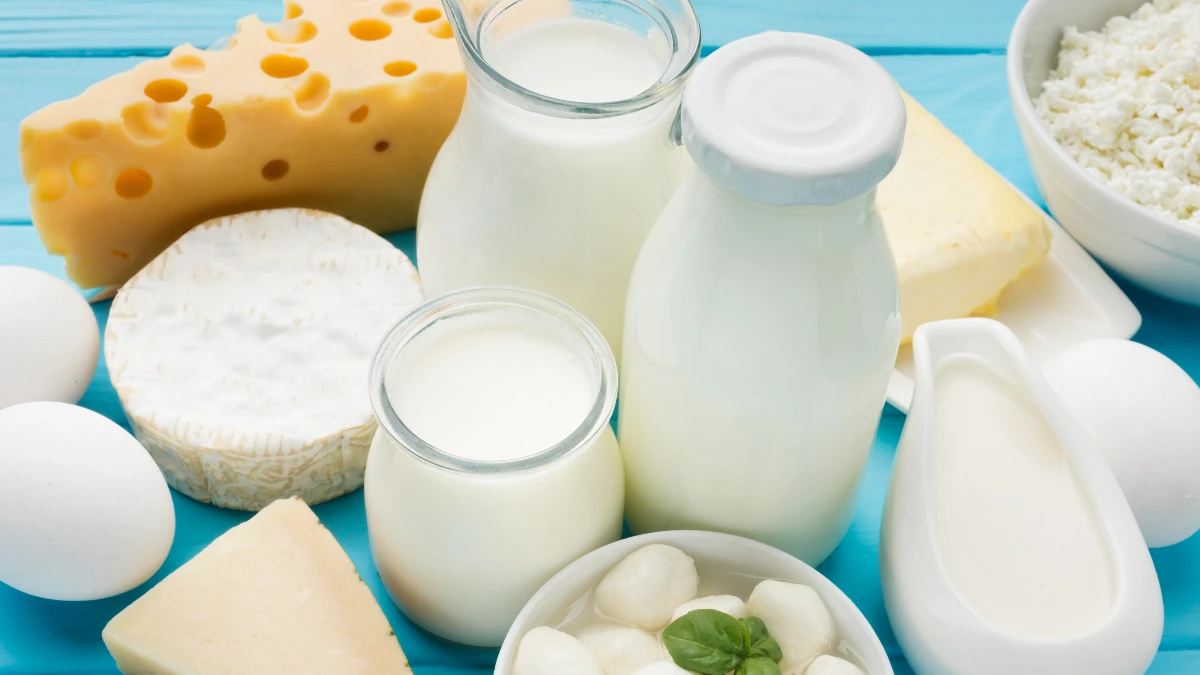
You buy organic, pasture-raised milk or cheese. You assume that because the cows were happy, the milk is digestible.
For about 65% of the adult population, the issue is biological incompatibility. Most cows produce A1 beta-casein, a protein that breaks down into beta-casomorphin-7 (BCM-7), which has been shown to slow down gut motility (causing constipation) and trigger inflammation in the gut lining. This happens even if the milk is organic.
Medical News Today and general gastroenterology consensus confirm that lactose intolerance and A1 protein sensitivity are major drivers of IBS symptoms. Organic certification does not remove lactose or change the protein structure of A1 milk.
The Swap:
- Swap: Cow’s milk $\rightarrow$ A2 Milk (Goat, Sheep) or Almond/Coconut Milk.
- Why: Goat and sheep milk contain A2 casein, which is structurally more similar to human milk and easier to digest.
Conclusion
The “Organic” label is a guide to pesticide exposure, not a guarantee of gut safety. As we’ve seen, organic sugar is still inflammatory sugar, and organic fried food is still loaded with oxidized fats. True gut health isn’t just about purity; it’s about biology.
You don’t need to eliminate all these foods forever, but you need to tip the scales. Use the “Crowd Out” Method: focus on adding so much fiber (prebiotics) and fermented foods (probiotics) that there is simply less room for the inflammatory triggers.
Start small. Choose just ONE of the swaps above to try this week. Whether it’s trading your afternoon soda for a prebiotic soda or swapping your nightly glass of wine for a calming tea, your microbiome will notice the difference immediately.
Restore your gut health by feeding your bacteria what they need, not just what the marketing labels say is “safe.”