
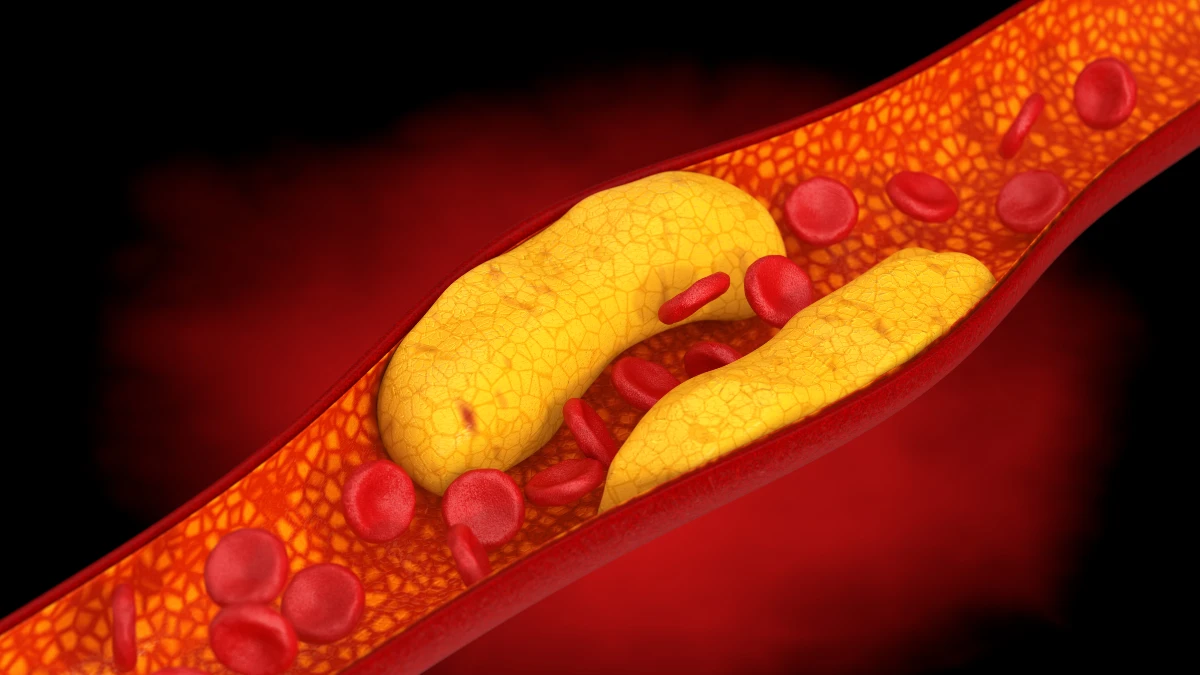
We’ve all heard it a thousand times: if you have high cholesterol, you need to start your day with a bowl of oatmeal. But let’s be honest, what happens when you can’t look at another bowl of porridge? Or what if that daily bowl isn’t moving the needle on your blood work as much as you hoped?
The problem isn’t just “oatmeal fatigue.” It is that while oats are fantastic for addressing LDL (the “bad” cholesterol), they often miss other critical markers of heart health, like high triglycerides or low HDL.
The solution isn’t to eat less, but to diversify. Nutritional experts are leaning heavily into the “Portfolio Diet” concept. This approach treats your diet like an investment portfolio: by combining different classes of foods, you get a cumulative, statin-like effect that is far more powerful than any single food alone. Here are five foods that lower cholesterol naturally, offering you actionable ways to lower LDL naturally without relying solely on breakfast oats.
1. Fatty Fish
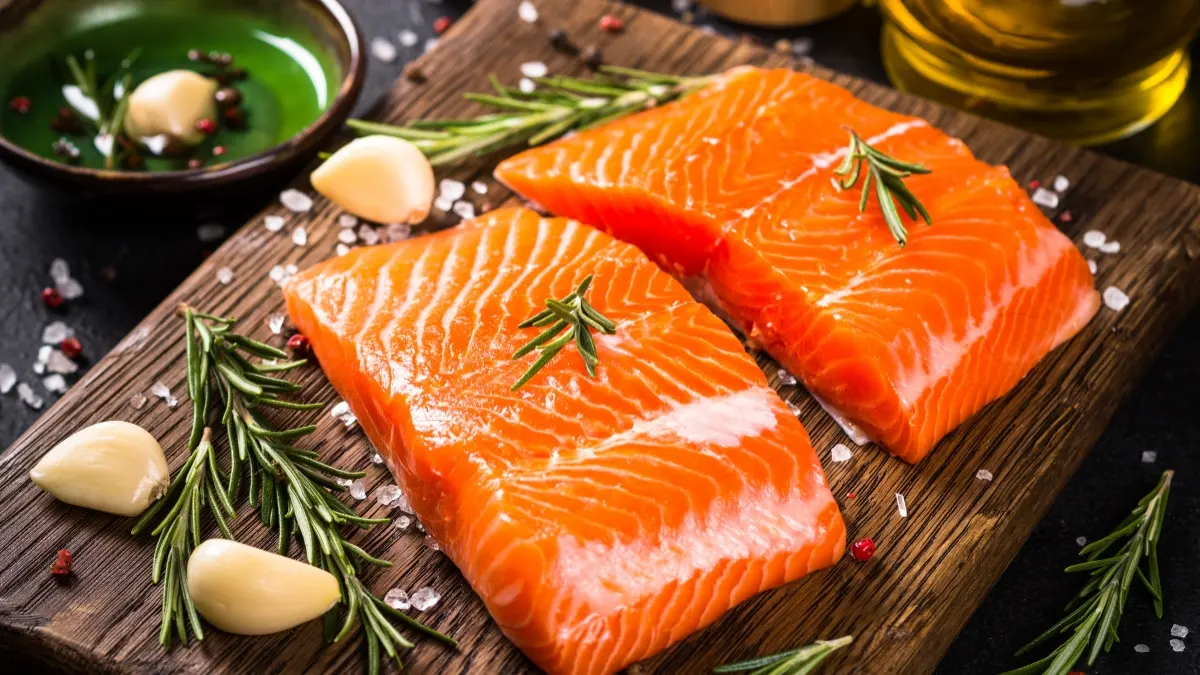
Most standard cholesterol advice focuses on what you should remove from your plate, usually red meat. But the real magic happens when you focus on what you can add. While oatmeal works in your gut to sponge up LDL, fatty fish operates on your liver chemistry to tackle a completely different problem: triglycerides.
Fish like salmon, mackerel, and sardines are loaded with Omega-3 fatty acids. These healthy fats inhibit the enzyme your liver uses to produce triglycerides. This is a crucial distinction because high triglycerides often accompany high cholesterol, yet fiber alone (like oats) doesn’t effectively lower them.
By swapping a steak for salmon, you are also cutting out saturated fats, giving your heart a “double win.”
According to the American Heart Association, eating fatty fish just twice a week can significantly lower triglyceride levels and reduce the risk of plaque buildup in the arteries.
Instead of a beef burger or pork chop, grill a salmon fillet or open a tin of sardines.
Always bake, grill, or poach your fish. Deep frying adds trans fats, which defeats the purpose entirely.
2. Beans and Legumes
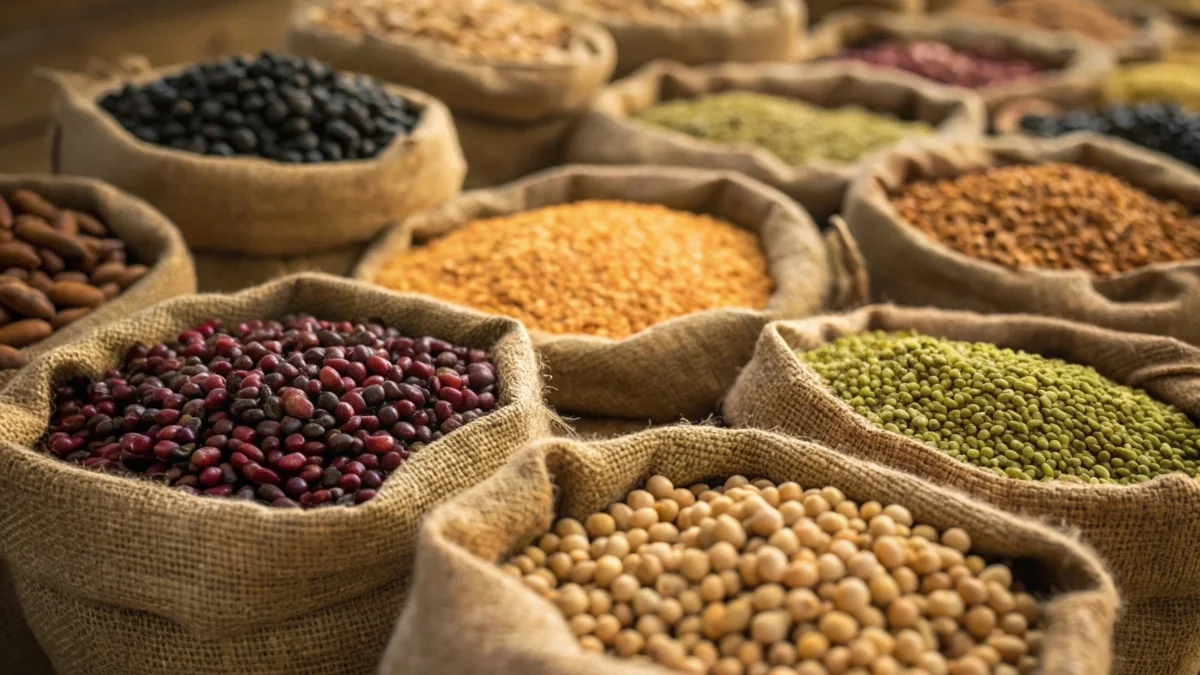
If you are looking for a powerhouse ingredient to adopt for “Meatless Monday,” look no further than beans. Legumes are the unsung heroes of the heart-health world, often packing more soluble fiber per cup than your morning oats.
The science simply put: Soluble fiber acts like a gel in your digestive system. It binds to cholesterol particles and drags them out of the body before they can be absorbed into your bloodstream. Furthermore, because beans digest slowly, they help stabilize blood sugar, a critical factor for metabolic health.
Replacing animal protein with plant-based protein also naturally reduces your intake of saturated fat.
Research noted by the Canadian Medical Association Journal indicates that eating just one serving (about 3/4 cup) of legumes a day can lower LDL by 5% to 8% in as little as six weeks.
Swap the ground beef in your chili or tacos for lentils or black beans.
If you aren’t ready to go full vegetarian, try “stretching” your meat. Mix cooked lentils into your spaghetti sauce; they act as an invisible health booster that absorbs flavor seamlessly.
3. Avocados
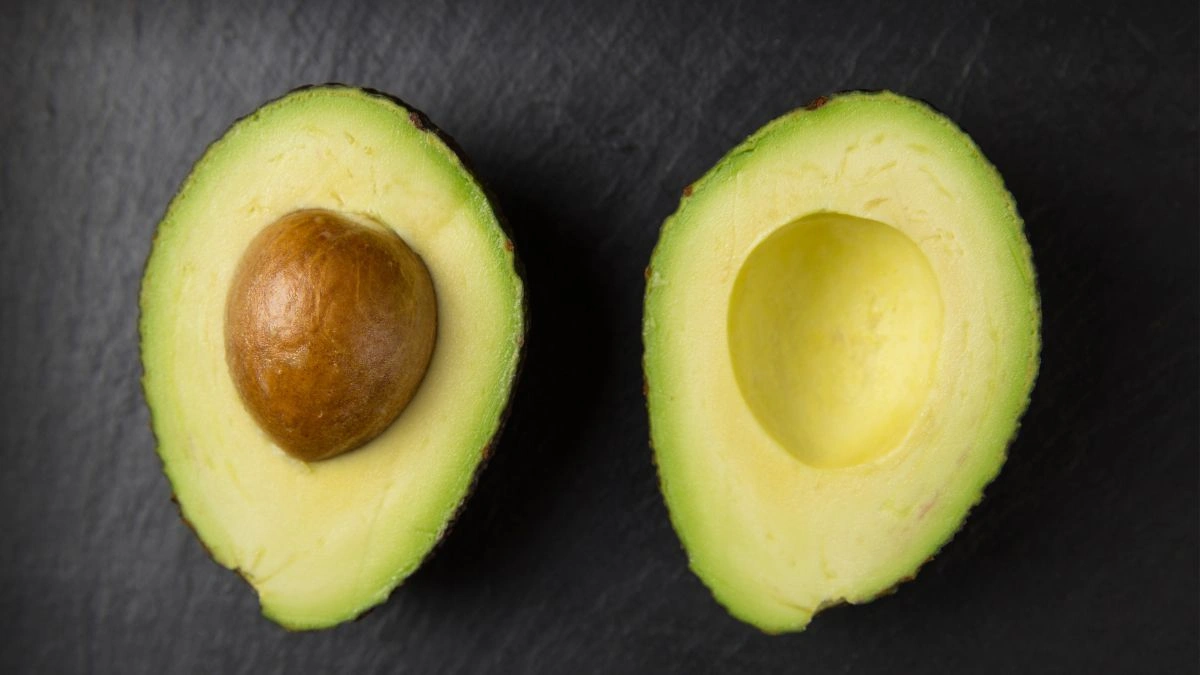
For decades, we were told to avoid fat to save our hearts. The avocado proves that the advice was incomplete. This fruit is a nutritional heavy hitter because it targets LDL cholesterol through two distinct mechanisms.
First, avocados are rich in oleic acid, a monounsaturated fat that helps modify the size of LDL particles, making them less likely to clog arteries. Second, they contain beta-sitosterol, a plant fat that molecularly resembles cholesterol. When you eat it, it competes with actual cholesterol for absorption, essentially blocking the bad stuff from entering your system.
A study published in the Journal of the American Heart Association found that overweight adults who ate one avocado a day lowered their LDL by 13.5 mg/dL. This was significantly more effective than those who simply followed a standard low-fat diet.
Swap the butter on your toast or the mayonnaise on your sandwich for mashed avocado.
Use avocado creates a creamy texture in smoothies or salads, helping you feel fuller longer while actively lowering your bad cholesterol.
4. Nuts
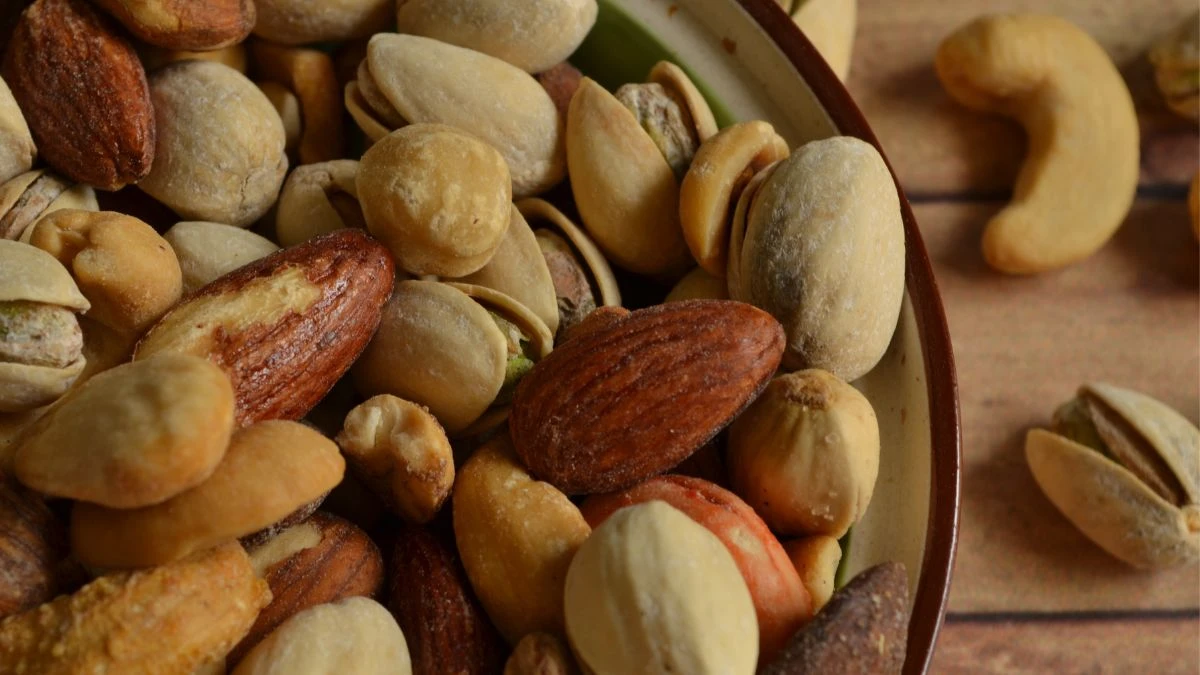
Let’s address the elephant in the room: Nuts are high in calories. Many people avoid them for fear of weight gain, but they are worth every bite when practiced with portion control.
Nuts like walnuts and pistachios are a central pillar of the Portfolio Diet because they improve endothelial health—that is, the flexibility and function of your artery walls. They are packed with polyunsaturated fats and plant sterols.
The key here is seeing nuts as a supplement, not a snack to binge on. They are calorically dense, but also nutrient-dense.
According to a pooled analysis of trials from Loma Linda University, consuming about 2 ounces of nuts daily can reduce LDL cholesterol by roughly 5% to 7%.
Swap your afternoon bag of chips or crunchy croutons on a salad for a handful of walnuts or pistachios.
Follow the “Handful Rule.” Never eat directly from the bag. Measure out 2 ounces (a small handful) into a bowl to ensure you get the benefits without excess calories.
5. Barley
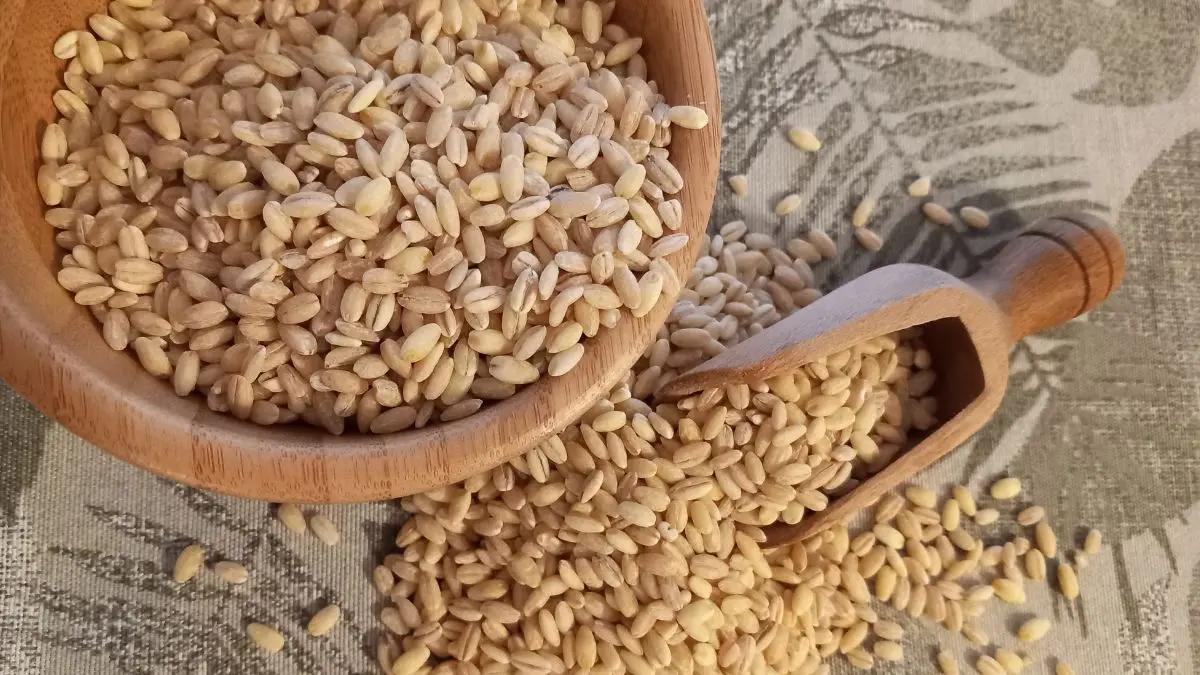
Think of barley as oatmeal’s savory cousin. If you are tired of sweet breakfast mush, barley is your answer. Like oats, barley is loaded with beta-glucan, the specific type of fiber responsible for trapping cholesterol during digestion.
However, pearled barley has a distinct advantage: a lower Glycemic Index (approx 28) compared to instant oats (approx 79). This makes it a superior grain for those managing insulin resistance alongside their cholesterol, a common combination in metabolic syndrome.
Consuming 3g of beta-glucan daily, the amount found in roughly one cup of cooked barley—can reduce LDL by approximately 7%.
Swap your side of white rice or mashed potatoes for a serving of herbed barley.
Barley holds its texture beautifully in soups. Make a large batch of mushroom and barley soup for a heart-healthy lunch that won’t spike your blood sugar.
Conclusion
While oatmeal is a fantastic food, relying on it as your sole defense against high cholesterol limits your potential results. A “Portfolio” approach—combining the Omega-3s in fish, the soluble fiber in beans and barley, and the healthy fats in avocados and nuts—offers a much more comprehensive strategy for heart disease prevention.
You don’t need to overhaul your entire diet overnight. That is a recipe for failure. Instead, pick just one of these 5 foods to add to your grocery list today. Once you have mastered that swap, move to the next. By slowly incorporating these foods, you can effectively manage cholesterol levels and enjoy your meals again.