

You’ve swapped the potato chips for pretzels and the ice cream for yogurt. You think you’re protecting your heart, but your blood pressure might tell a different story. For many adults over 60, the “rules” of nutrition shift in ways that aren’t always obvious. Foods that were perfectly fine to consume in your 40s can become inflammatory or hypertensive triggers once you cross the 60-year threshold.
Why does this happen? As we age, our physiology changes. Arteries naturally stiffen, making them more susceptible to pressure spikes, and our kidneys become less efficient at filtering out excess sodium. A diet that seems “clean” on the surface may actually be loading your system with hidden sugars and sodium that an older body struggles to process.
In this guide, we will uncover 5 specific heart-damaging snacks after 60—foods often praised as “healthy”—that may be undermining your cardiovascular health. You will learn exactly why these snacks are risky and, more importantly, the simple, actionable swaps you can make to optimize your nutrition for seniors without sacrificing flavor.
1. Flavored Yogurt

Yogurt is frequently touted as a superfood for seniors due to its bone-saving calcium and gut-friendly probiotics. There is a stark difference between plain yogurt and the flavored varieties lining the supermarket shelves.
The Hidden Danger: The issue isn’t the natural sugar (lactose) found in dairy; the danger lies in added cane sugars and high-fructose corn syrups used to flavor low-fat options. Food manufacturers often fall into the “Low Fat Trap”—when they remove fat to make a product “heart-healthy,” they lose flavor and texture. To compensate, they pump the product full of sugar.
Why It Matters After 60: As we age, our bodies often develop greater insulin resistance. This means our cells don’t absorb sugar as easily, leaving it to linger in the bloodstream. High circulating blood sugar damages the lining of the blood vessels and triggers systemic inflammation, a primary driver of heart disease.
The Verdict: According to data from the USDA, a standard 6oz container of “healthy” fruit-on-the-bottom yogurt can contain 20 to 25 grams of added sugar—that is more sugar than a glazed donut.
- The Problem: High sugar intake spikes insulin, leading to inflammation that stiffens arteries.
- The Smart Swap: Buy plain, non-fat or low-fat Greek yogurt. Sweeten it yourself with fresh berries and a sprinkle of cinnamon. You control the sugar; the manufacturer doesn’t.
2. Pretzels & Mixes
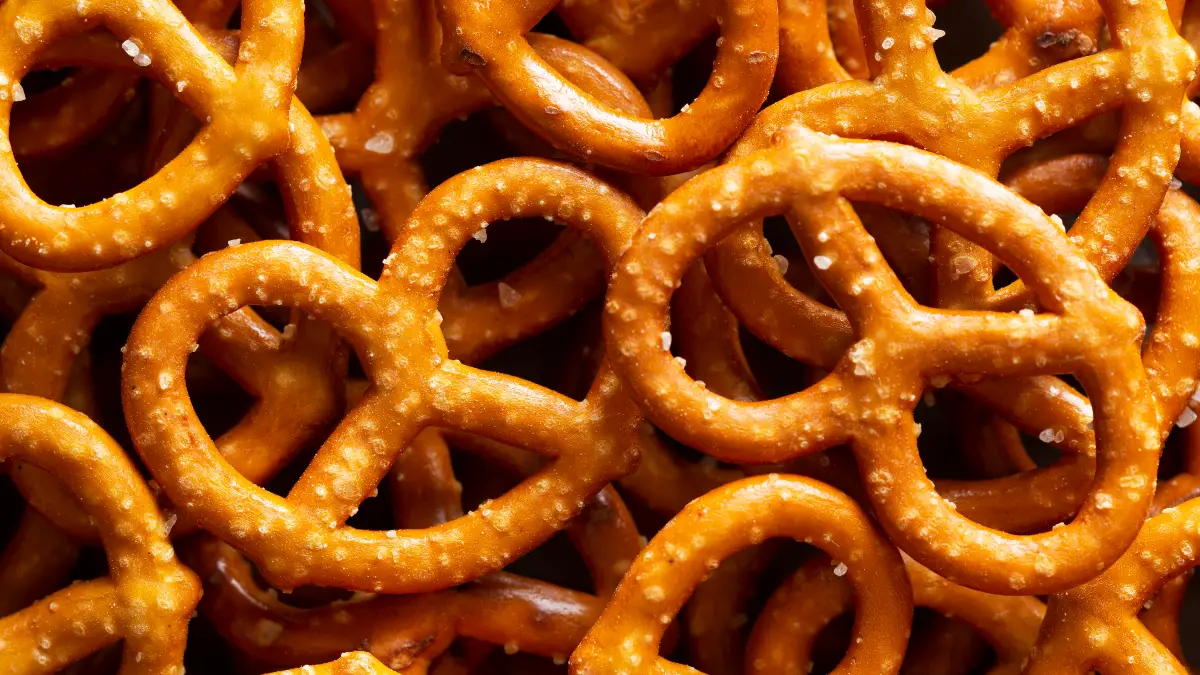
For decades, pretzels were the go-to recommendation for a “heart-healthy” snack because they are low in fat. Dietitians know that low fat does not automatically mean heart-safe.
The Hidden Danger: Pretzels are what nutritionists often call a “Zero Nutrient” food. They are almost exclusively made of refined white flour. When you eat refined carbohydrates, your body converts them into glucose rapidly.
This causes a spike in blood sugar similar to eating table sugar. Furthermore, packaged snack mixes often use hidden trans fats (partially hydrogenated oils) to help seasonings stick to the crackers and pretzels.
Why It Matters After 60: Seniors are significantly more “salt-sensitive” than younger adults. Aging kidneys are less efficient at excreting sodium. When you combine the hidden sodium in pretzels with their high Glycemic Index (GI), you create a perfect storm for raising blood pressure.
The Verdict:
- The Problem: Refined flour spikes blood sugar, while salt forces the heart to pump harder.
- The Smart Swap: If you crave a crunch, opt for air-popped popcorn seasoned with nutritional yeast or dried herbs (no salt). Popcorn is a whole grain that provides fiber, which helps regulate blood sugar absorption.
3. Canned Soups
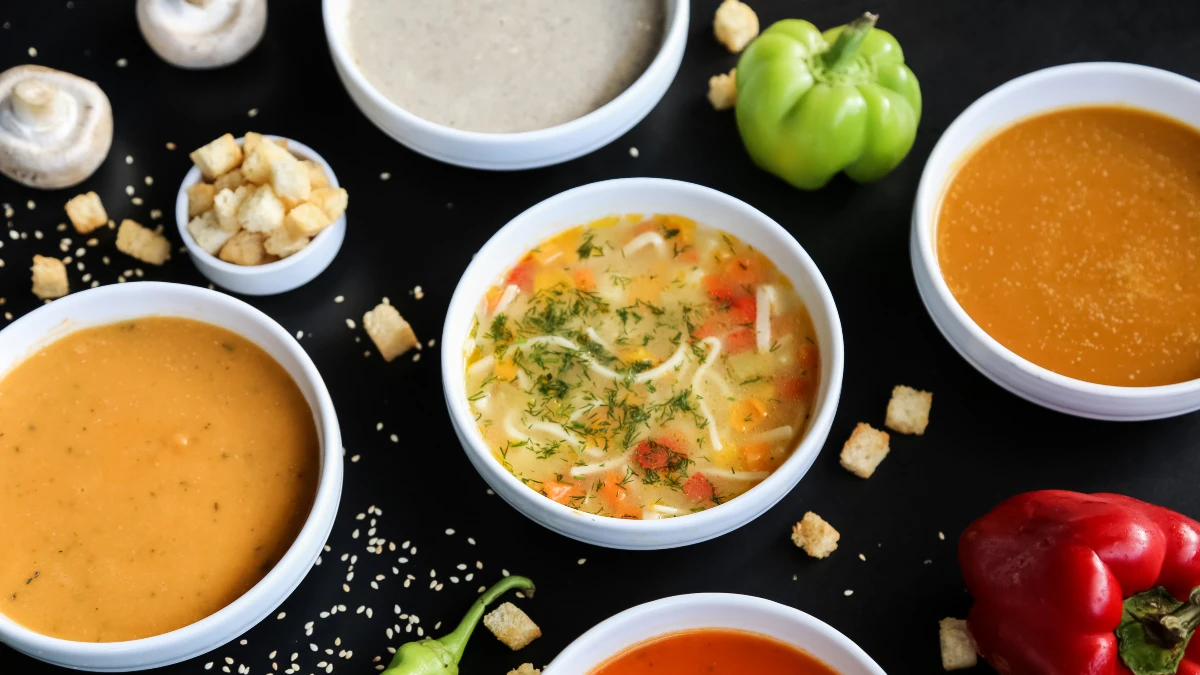
A warm bowl of vegetable soup seems like the ultimate comfort food for longevity. While homemade soup is excellent, store-bought canned varieties are arguably the single biggest source of hidden sodium in the American diet.
The Hidden Danger: Sodium acts like a sponge. When you consume high amounts of salt, your body holds onto water to dilute it. This fluid retention increases overall blood volume. Imagine turning up the water pressure in a garden hose; that is exactly what happens inside your arteries.
Why It Matters After 60: For a heart over 60, which may already be dealing with stiffer arterial walls, this extra fluid volume causes significant heart strain. The American Heart Association recommends an ideal limit of 1,500 mg of sodium per day for those with high blood pressure.
Label Decoding: Do not be fooled by the label “Reduced Sodium.” Per FDA guidelines, this only means the product has 25% less sodium than the original version. If the original has 1,000mg, the “reduced” version still has 750mg—half your daily limit in one bowl.
The Verdict:
- The Problem: One can of “healthy” minestrone can contain up to 1,500mg of sodium, causing immediate sodium retention.
- The Smart Swap: Look specifically for labels that say “Low Sodium” (140mg or less per serving) or, better yet, make a large batch of soup using low-sodium broth and freeze it in individual portions.
4. Granola & Energy Bars
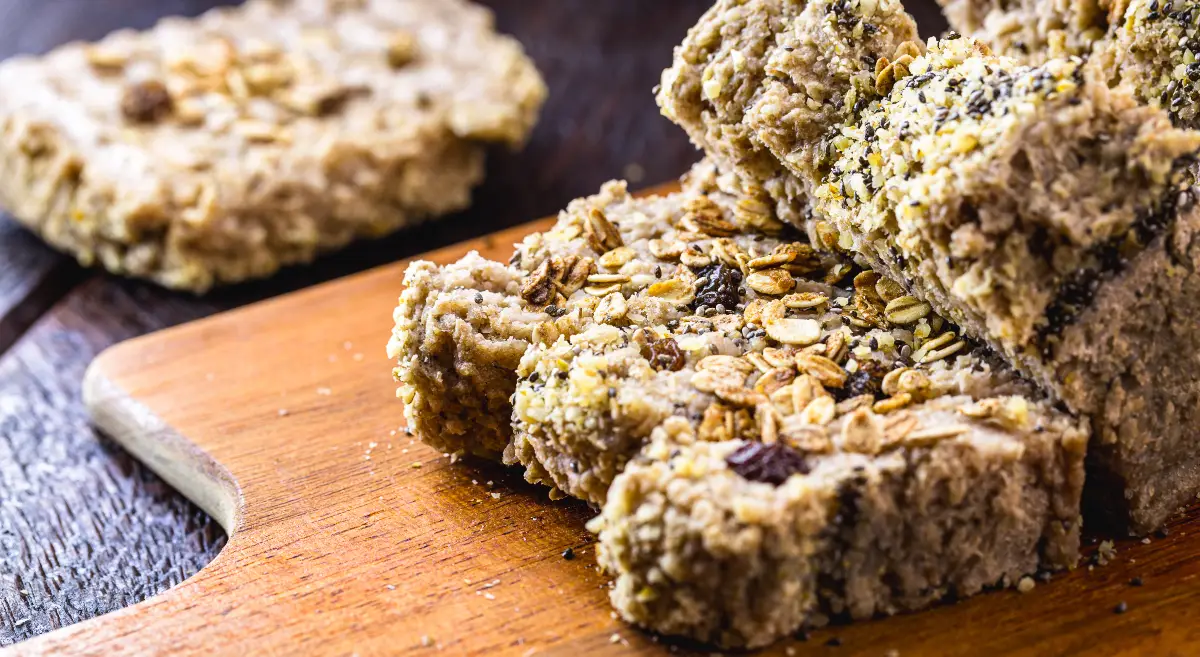
Granola is the poster child for “health food,” often associated with hiking and active lifestyles. For the average adult over 60, granola is often a calorie bomb that contributes to weight gain in the worst possible area.
The Hidden Danger: Commercial granola and energy bars are incredibly dense. To get the clusters to stick together, manufacturers use honey, maple syrup, molasses, and tropical oils (high in saturated fat). This results in a snack that is high in calories but low in volume, failing to trigger satiety signals effectively.
Why It Matters After 60: Metabolism naturally slows with age. Consuming dense calories that aren’t burned off leads to the accumulation of visceral fat (deep belly fat). Visceral fat is not just stored energy; it is metabolically active tissue that releases inflammatory cytokines, increasing the risk of heart disease and raising triglycerides.
The Verdict:
- The Problem: A single cup of healthy-sounding granola can pack 400-600 calories and over 20g of fat, negatively impacting metabolic health.
- The Smart Swap: Switch to traditional rolled oats (oatmeal) or high-fiber bran cereals. If you need a bar on the go, look for one with fewer than 5g of added sugar and at least 5g of protein.
5. Bananas & Spinach
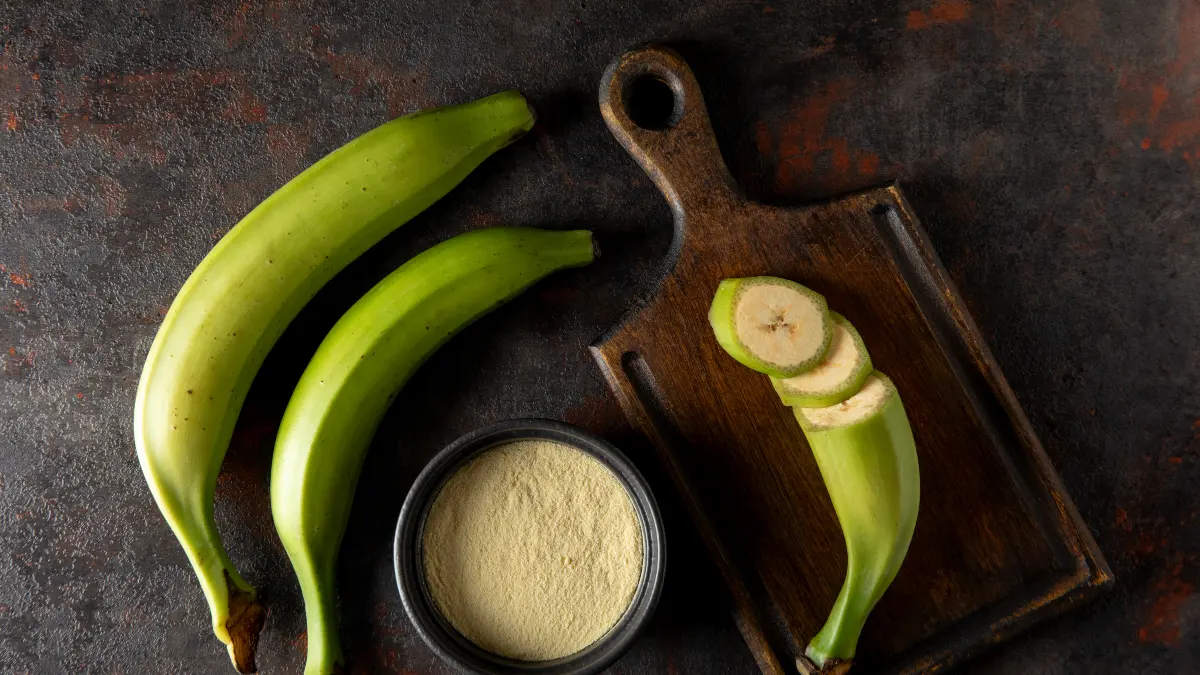
This section requires a crucial disclaimer: Bananas and spinach are undeniably nutritious whole foods. For seniors managing specific heart conditions or kidney issues, these foods can trigger dangerous medication interactions.
The Hidden Danger: It comes down to chemistry. Bananas are rich in potassium, and spinach is packed with Vitamin K. While these are essential nutrients, they can interfere with common geriatric medications.
Why It Matters After 60:
- The Kidney Connection: If you have Chronic Kidney Disease (CKD), which becomes more common with age, your kidneys may struggle to filter excess potassium. Eating high-potassium foods like bananas can lead to “Hyperkalemia,” a condition that can cause dangerous heart arrhythmias.
- The Warfarin Connection: If you are taking blood thinners like Warfarin (Coumadin) to prevent clots, Vitamin K works against the drug. A sudden increase in spinach or kale intake can render your medication less effective, increasing clot risk.
The Verdict:
- The Problem: Unmonitored intake of potassium-sparing diuretics or Vitamin K-rich foods can disrupt medical stability.
- The Smart Swap: Consistency is key. Do not stop eating these foods, but do not suddenly increase your intake. Consult your doctor or dietitian to determine the safe portion sizes for your specific kidney function and medication regimen.
Conclusion
Dietary advice is rarely “one size fits all,” especially as we age. A food that is healthy for a teenager burning 3,000 calories a day can be hazardous for a senior managing blood pressure or insulin resistance. The key to a heart healthy diet for seniors is looking past the marketing claims and understanding how ingredients interact with your changing physiology.
Your Action Plan: Check your pantry right now. Pick up three items you eat daily and read the nutrition label. If you find high-sodium canned soup or high-sugar flavored yogurt, commit to swapping them for the homemade or low-sugar versions this week. Small, consistent changes are the most effective way to protect your heart for the decades to come.