

You don’t need a $200 serum to reset your skin’s clock; the most powerful “age-rewind” tools are currently sitting in your grocery cart. While the beauty industry pushes complex chemical peels and synthetic treatments, nature offers a solution that works from the inside out.
The core problem of premature aging isn’t just bad luck, it’s oxidative stress and collagen degradation, processes that are often accelerated by modern diets high in processed sugars and environmental pollutants. When your cells are under attack, your skin is the first place it shows.
In this guide, you will learn how 7 specific, everyday foods fight “inflammaging” (inflammation-induced aging), boost natural collagen production, and provide a barrier against unique environmental stressors. These aren’t rare, expensive imports; they are accessible anti-aging superfoods that act as the foundation for vibrant skin health.
1. Blueberries
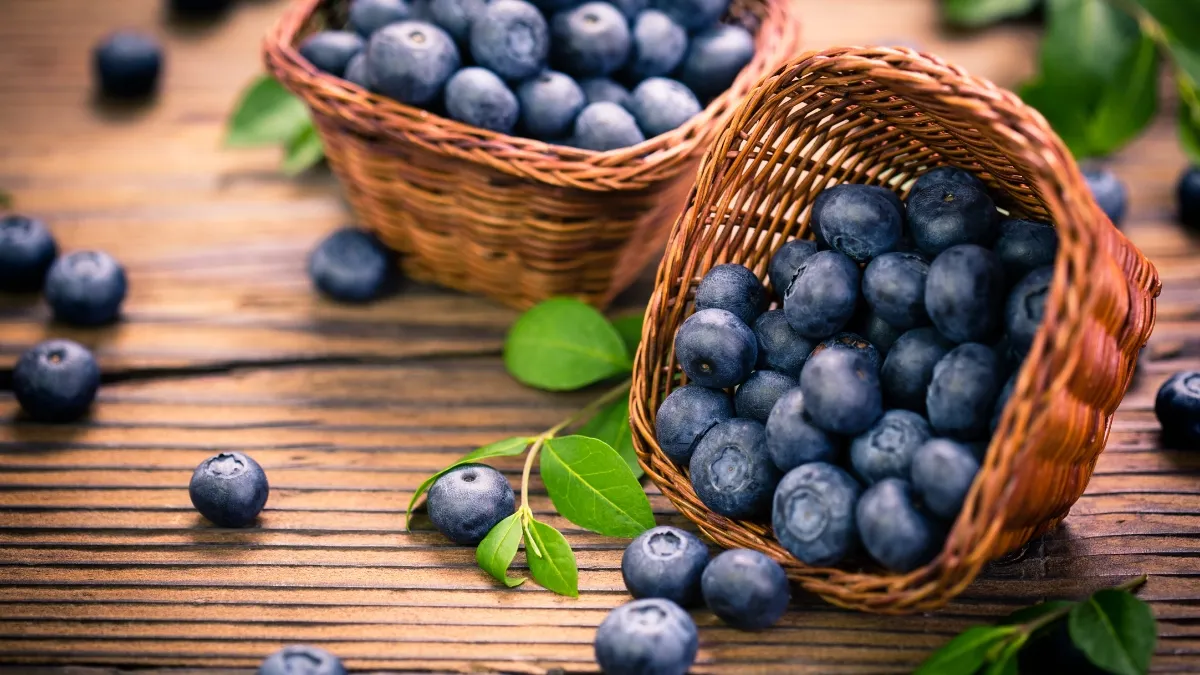
Blueberries are often called nature’s candy, but functionally, they are a high-performance shield for your cells. Their deep blue hue comes from anthocyanins, potent antioxidants that patrol the body looking for free radicals, unstable molecules that damage DNA and cause wrinkles.
Anthocyanins stabilize collagen tissues and protect the skin matrix from UV-induced breakdown. They essentially “deep clean” cellular waste that leads to dullness.
Research highlighted by the Human Nutrition Research Center on Aging indicates that the antioxidants in blueberries can reduce DNA damage by up to 20%, effectively slowing the cellular aging process.
Aim for 1/2 cup daily. Pro Tip: Buy them frozen. Freezing locks in the anthocyanins at peak ripeness, often making them more nutrient-dense (and cheaper) than fresh ones sitting on a shelf.
2. Leafy Greens (Spinach/Kale)

Think of dark leafy greens as an internal SPF. Spinach and kale are packed with the “master antioxidants” lutein and zeaxanthin. While famous for eye health, these nutrients accumulate in the skin, helping to dissipate the energy from ultraviolet light before it damages skin cells.
Beyond UV protection, these greens are rich in Vitamin K, which helps coagulate blood and can reduce the appearance of dark under-eye circles and spider veins.
Emerging research on the “gut-brain-skin axis” suggests that the fiber in leafy greens feeds beneficial gut bacteria, which in turn produce short-chain fatty acids that significantly reduce systemic skin redness and reactivity.
Fat is key. These vitamins are fat-soluble, meaning you must pair your greens with a healthy fat (like olive oil) to absorb the nutrients. A raw kale salad without dressing provides only a fraction of the benefits.
3. Avocados
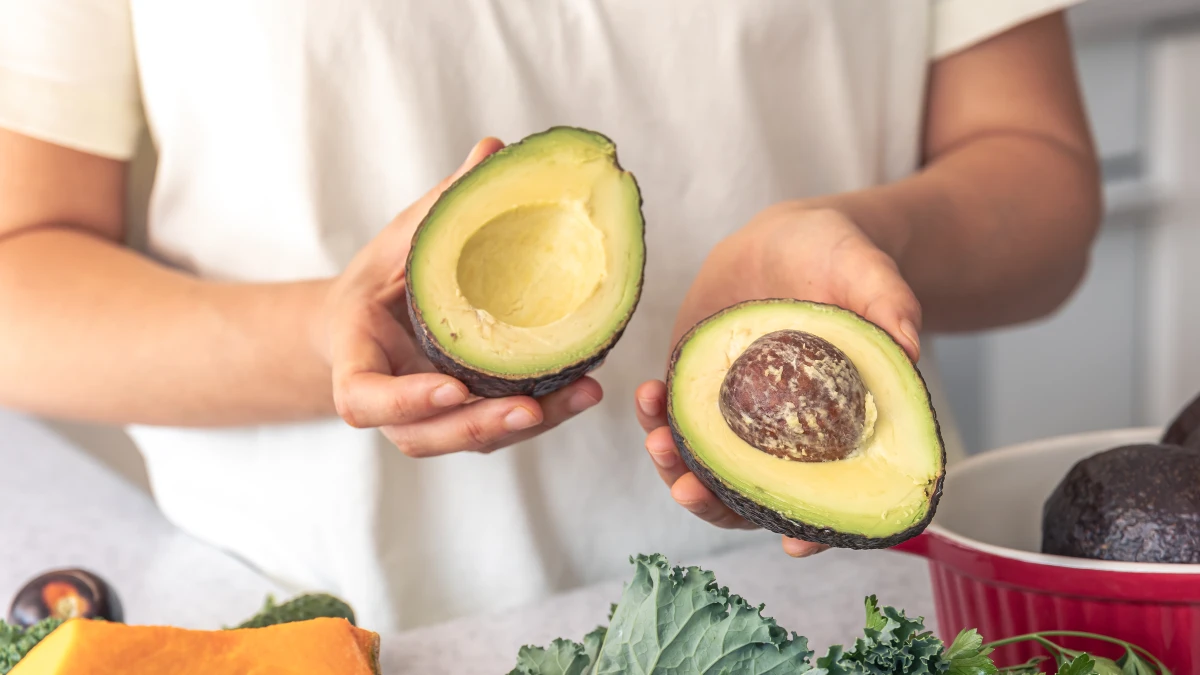
If you suffer from dry, thinning skin, avocados are your best defense. They are rich in healthy monounsaturated fats, which integrate into the skin cell membrane to keep it plump and hydrated.
A strong cell membrane holds water better. Avocados also contain high levels of Vitamin E, which works synergistically with Vitamin C to strengthen skin texture.
A pilot study published in the Journal of Cosmetic Dermatology found that women who consumed one avocado daily for eight weeks showed significantly improved firmness and elasticity in their skin compared to a control group.
Replace mayo with smashed avocado on sandwiches. The fat content also helps you absorb nutrients from other anti-aging superfoods on this list, making it the perfect “booster” food.
4. Sweet Potatoes
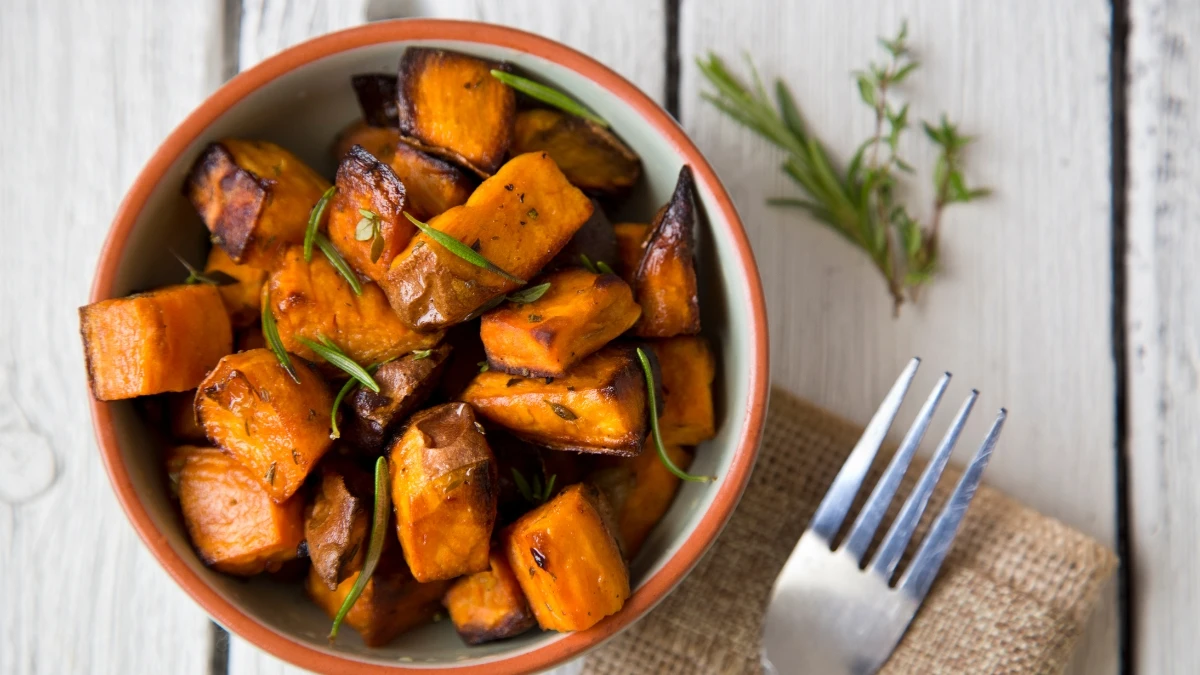
Before you reach for retinol creams that can irritate sensitive skin, try sweet potatoes. Their vibrant orange color signals a high concentration of beta-carotene, an antioxidant your body converts into Vitamin A (retinol).
Vitamin A is essential for cell turnover, the process of shedding old, dull skin cells to reveal fresh ones underneath. It regulates the skin’s oil production, preventing dry, scaly patches.
Nutritional dermatologists are focusing on the concept of “Internal SPF.” Eating carotenoid-rich foods acts as a buffer, with studies showing that regular consumption gives the skin a warm, “sunny glow” that mimics a tan without the sun damage.
Roast them with the skin on. The skin contains a significant portion of the fiber and potassium. Pair with a dash of cinnamon to stabilize blood sugar, preventing “sugar sag” (glycation).
5. Walnuts & Almonds
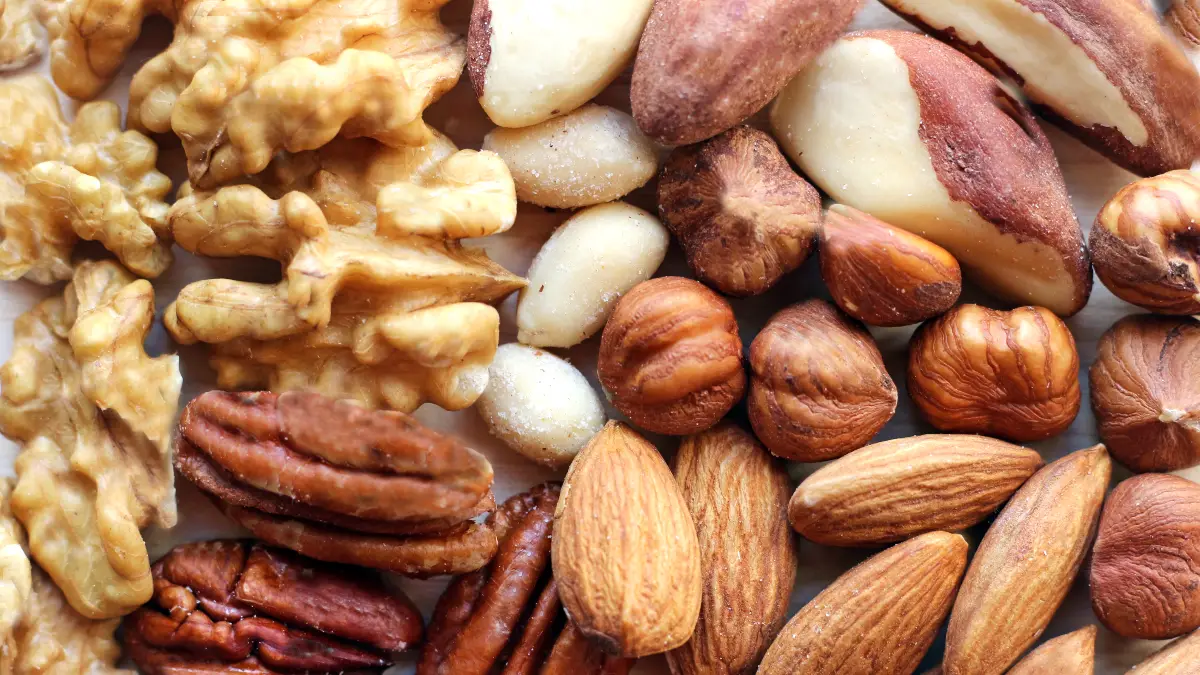
Chronic, low-grade inflammation is a primary driver of aging, a phenomenon researchers call “inflammaging.” Walnuts and almonds are your primary weapons against this invisible enemy.
Walnuts are the only tree nut with a significant amount of ALA omega-3 fatty acids. These fats strengthen the lipid barrier of your skin cells, locking in moisture and keeping out toxins. Almonds supply massive doses of Vitamin E and biotin, which support nail and hair strength.
TResearch from the Loma Linda University Health studies has consistently shown that regular nut consumption lowers biomarkers of inflammation (like C-reactive protein), directly correlating to reduced signs of aging in skin tissues.
How to Eat Them: Soaking your nuts overnight can reduce their phytic acid content, making the nutrients easier for your body to absorb. A small handful (approx. 10-12 nuts) is all you need.
6. Broccoli
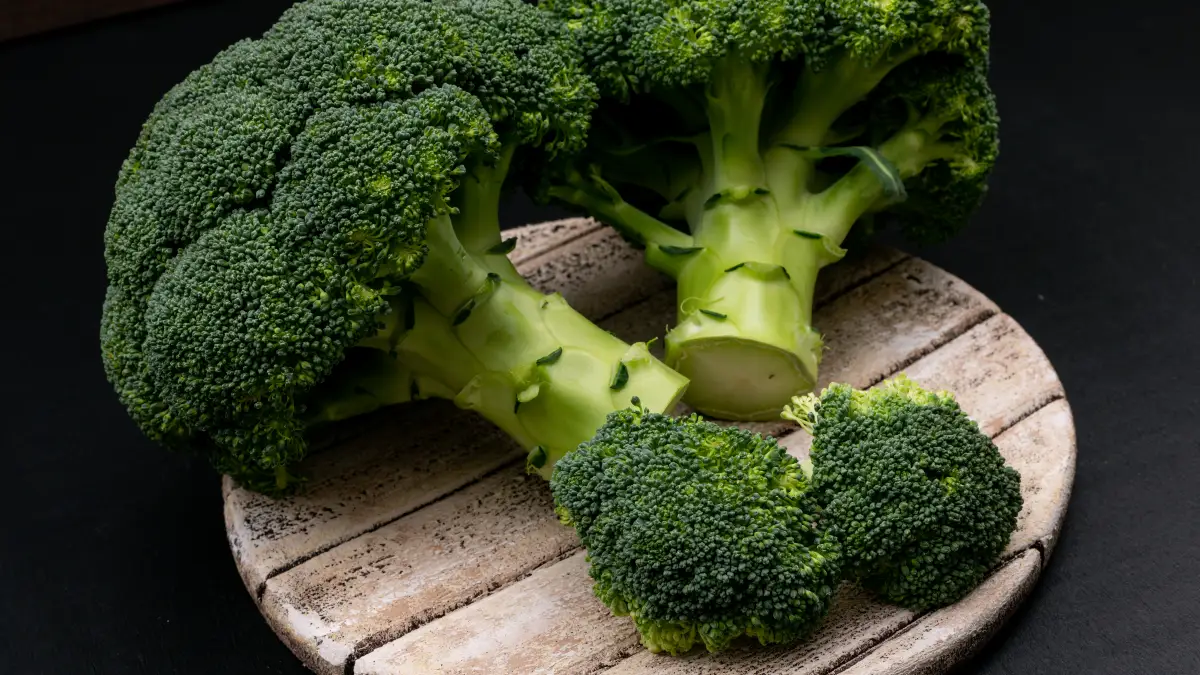
Broccoli is a heavy lifter in the anti-aging world because it supports the body’s detoxification pathways and structural integrity simultaneously.
Broccoli is rich in sulforaphane, a compound that switches on the body’s anti-aging genes and enhances detoxification. Crucially, 1 cup of broccoli provides more Vitamin C than an orange. Vitamin C is the mandatory cofactor for collagen synthesis; without it, your body physically cannot build new collagen.
Nutritional analysis confirms that a single serving provides over 100% of your daily Vitamin C requirement, directly supporting the “scaffolding” of your skin to prevent sagging.
Steam lightly. Boiling broccoli leaches out the water-soluble Vitamin C. Steaming for 3-4 minutes preserves the enzymes needed to create sulforaphane while making it digestible.
7. Tomatoes
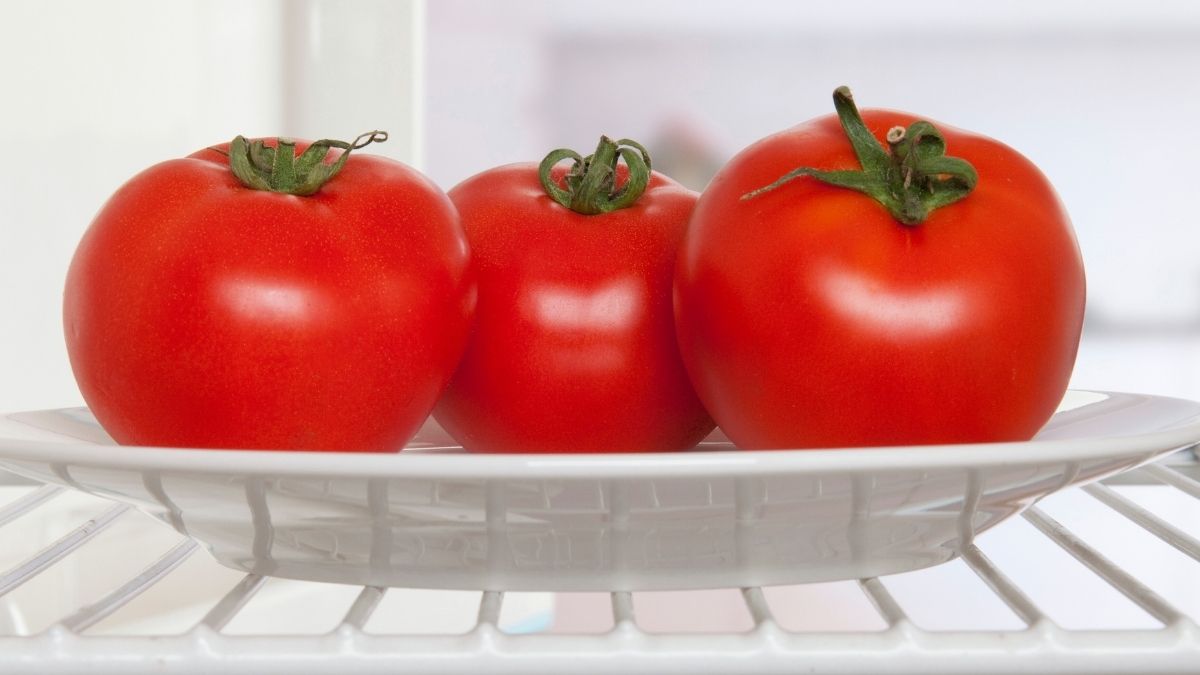
Tomatoes are unique because they get better for you when processed. They are the primary source of lycopene, a rare antioxidant that protects against the breakdown of collagen.
Lycopene inhibits collagenase, an enzyme that breaks down collagen bonds in the skin. This makes tomatoes crucial for preventing the structural collapse that leads to deep wrinkles.
A meta-analysis on carotenoids confirms the “Tomato Sauce Effect”: cooking tomatoes (or using tomato paste) breaks down thick cell walls, making the lycopene 4x more bioavailable to your body than eating raw tomatoes.
Skip the raw salad slices if you want anti-aging benefits. Instead, opt for slow-cooked tomato sauces, pastes, or roasted tomatoes, always paired with olive oil to maximize absorption.
Conclusion
Anti-aging isn’t about a single miracle cure; it’s about the cumulative effect of your daily choices. By prioritizing consistency over intensity, you can transform your skin’s health from the inside out. Incorporating these 7 anti-aging superfoods into your weekly rotation can yield visible results in skin texture, energy levels, and overall vitality in as little as 12–16 weeks.
The next time you walk into the store, you aren’t just buying groceries, you’re stocking up on longevity.
Download our free “Grocery Store Anti-Aging Checklist” to take on your next trip and ensure you never miss a nutrient!