

If there was a pill that lowered blood pressure, cleaned your arteries, and reduced heart attack risk by over 15%, you’d likely take it every morning without hesitation. That pill exists, but you won’t find it at the pharmacy. It’s in the produce aisle.
We are surrounded by complex health advice—expensive supplements, restrictive detoxes, and bio-hacking gadgets. Yet, as heart disease rates remain stubbornly high, leading cardiologists are pointing back to a simple, natural solution that outperforms many modern interventions.
The “daily heart insurance” you need is leafy green vegetables. This isn’t just about “eating your veggies” because your parents told you to; it is about utilizing a potent biological mechanism that actively repairs your cardiovascular system. In this guide, you will learn exactly why greens are non-negotiable for heart health and how to hit your daily quota without becoming a rabbit.
The “Secret” Mechanism: How Greens Protect Your Heart
Think of aging arteries like a stiff garden hose. Nitric Oxide relaxes the inner muscles, widening the vessel for better flow.
FLOW
The reason leafy greens are superior for heart health comes down to one specific molecule: Nitric Oxide.
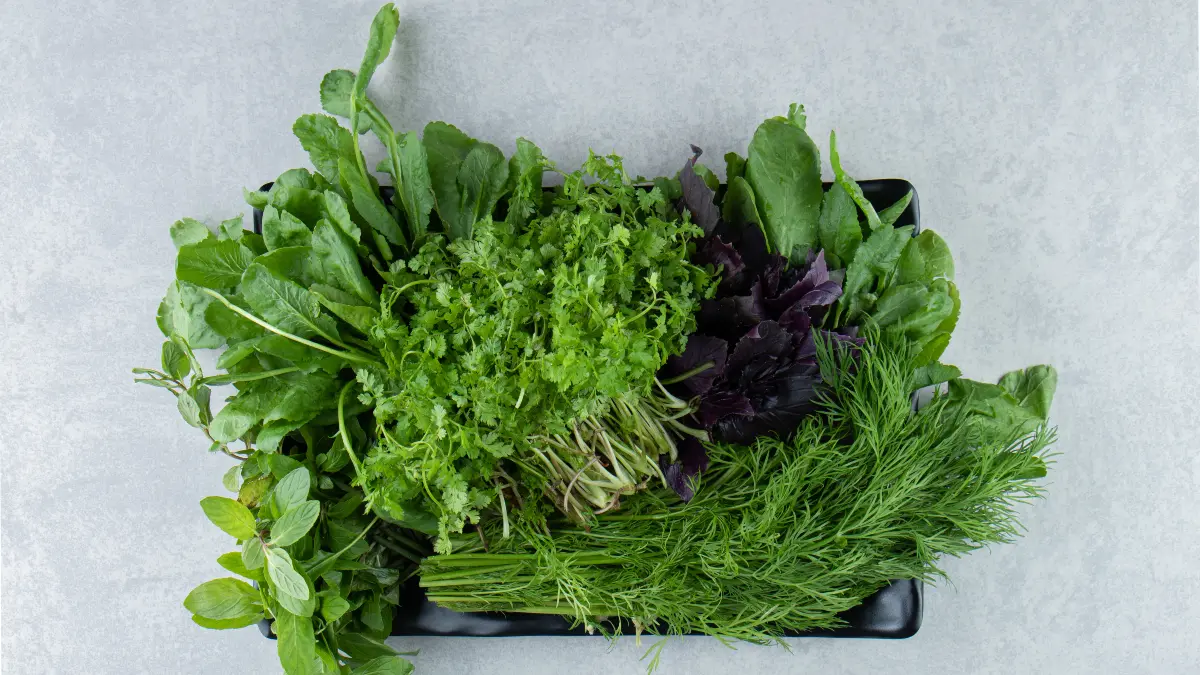
When you eat greens like arugula or spinach, you aren’t just digesting fiber; you are fueling a chemical factory in your body. Leafy greens are the best natural source of dietary nitrates.
- Ingestion: You eat the greens containing nitrates.
- Conversion: Bacteria in your mouth (this part is crucial) convert nitrates into nitrites.
- Activation: Your stomach acid and metabolic processes convert those nitrites into Nitric Oxide (NO).
Think of your arteries like a garden hose. Over time, due to aging and stress, that hose can become stiff and kinked, making it hard for water (blood) to flow. Nitric oxide acts as a natural vasodilator—it relaxes the inner muscles of your blood vessels, effectively “unkinking” the hose. This widens the vessel, allowing blood to flow freely and significantly lowering blood pressure.
Recent research from Edith Cowan University has shown that consuming just one cup of nitrate-rich vegetables daily can lower systolic blood pressure by up to 2.5 mmHg. That might sound small, but in the world of cardiology, it is enough to reduce the risk of heart disease by approximately 12–26%.
Pro Tip: Because the bacteria in your mouth are essential for this conversion, avoid using strong antibacterial mouthwash immediately after eating your salad. You might accidentally kill the good bacteria needed to unlock these heart benefits!
Beyond Nitrates: The Nutrient Powerhouse Breakdown

While nitrates relax the arteries, leafy greens provide a secondary team of nutrients that maintain the actual structure of your heart.
1. Vitamin K: The Calcium Traffic Cop Many people worry about arterial calcification—the hardening of the arteries. Vitamin K (specifically K1, which the body can convert to K2) acts like a traffic cop for calcium. It activates a protein called MGP (Matrix Gla Protein) that tells calcium to go into your bones where it belongs, rather than depositing it in your artery walls where it causes stiffness.
2. Fiber: The Cholesterol Sponge Leafy greens are packed with soluble fiber. In your digestive system, this fiber acts like a sponge, binding to cholesterol particles and removing them from the body before they can enter your bloodstream and clog your arteries.
3. Potassium: The Sodium Counterbalance Modern diets are heavy in sodium, which raises blood pressure. Potassium, abundant in greens like Swiss Chard and Spinach, works in opposition to sodium. It helps your kidneys flush out excess salt, further relieving pressure on your blood vessels.
The Best Leafy Greens to Eat (Ranked by Nutrient Density)
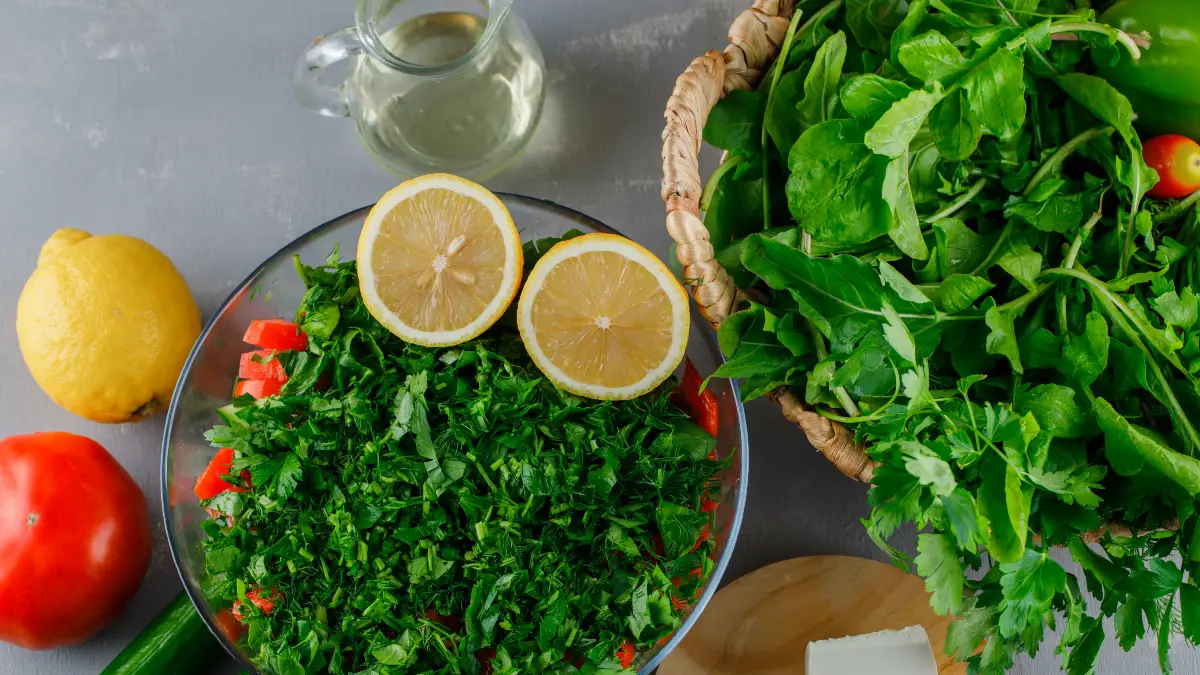
Not all greens are created equal. If you want the “heart insurance” effect, you should prioritize vegetables with high nitrate and nutrient density.
- 1. Arugula (The Nitrate King): By weight, arugula often contains the highest levels of nitrates—almost double that of other greens. It has a peppery kick that works well in salads.
- 2. Spinach (The Versatile Standard): Mild in flavor and widely available. It is a balanced powerhouse of nitrates, potassium, and magnesium.
- 3. Swiss Chard & Kale (The Builders): These are heavier in fiber and Vitamin K. They are excellent for structural artery health but often require cooking to make them palatable.
- 4. Bok Choy (The Underrated Option): Often overlooked, Bok Choy is rich in potassium and nitrates and offers a satisfying crunch in stir-fries.
Raw vs. Cooked? Ideally, eat a mix. Raw greens (like in a salad) preserve the most water-soluble vitamins. Cooked greens (like steamed spinach) shrink down, allowing you to eat a much larger volume—and therefore more fiber and minerals—without feeling overly full.
The “Daily Dose”: How Much Do You Actually Need?
You don’t need to eat a bucket of kale every day. In fact, the data shows that “more” isn’t necessarily “better.”
Cardiologists and researchers, including those from the American Heart Association and the Edith Cowan University study, suggest a specific “sweet spot” for maximum benefit:
- 1 Cup of Raw Greens
- OR
- ½ Cup of Cooked Greens
Research indicates that people who ate this amount saw significant heart benefits, but those who ate more than this didn’t see a proportional increase in protection. This is good news: it means this habit is sustainable. It’s not a crash diet; it’s a small, consistent daily addition.
3 Simple Ways to Sneak Greens Into Your Diet
If you aren’t a fan of salads, you can still get your daily heart insurance with these simple strategies.
1. The Smoothie Mask Spinach is famous for being “flavor invisible” when blended.
- Add a large handful of raw spinach to a fruit smoothie (berries work best to mask the green color).
- Add a source of healthy fat, like a slice of avocado or a teaspoon of chia seeds. Vitamins A and K are “fat-soluble,” meaning your body absorbs them much better when eaten with fat.
2. The “Wilt” Strategy Leafy greens lose about 90% of their volume when cooked.
- When you are making pasta sauce, chili, or soup, wait until the dish is fully cooked and the heat is off. Then, throw in two big handfuls of spinach or arugula. Stir it for 30 seconds. The residual heat will wilt the greens, making them practically disappear into the dish.
3. The Savory Breakfast Start your day with your nitrates already in your system.
- Instead of toast, put a bed of fresh arugula on your plate and place your scrambled or poached eggs directly on top. The warmth of the eggs slightly wilts the greens, and the yolk provides the dressing.
The “Imposter” Vegetables: 2 Types to Avoid
While adding leafy greens is the best thing you can do for your heart, not all vegetables are created equal. Cardiologists warn that how vegetables are prepared can turn a healthy food into a heart risk. To maximize your “heart insurance,” you should limit or avoid these two specific forms of vegetables.
1. Canned Vegetables with Added Sodium
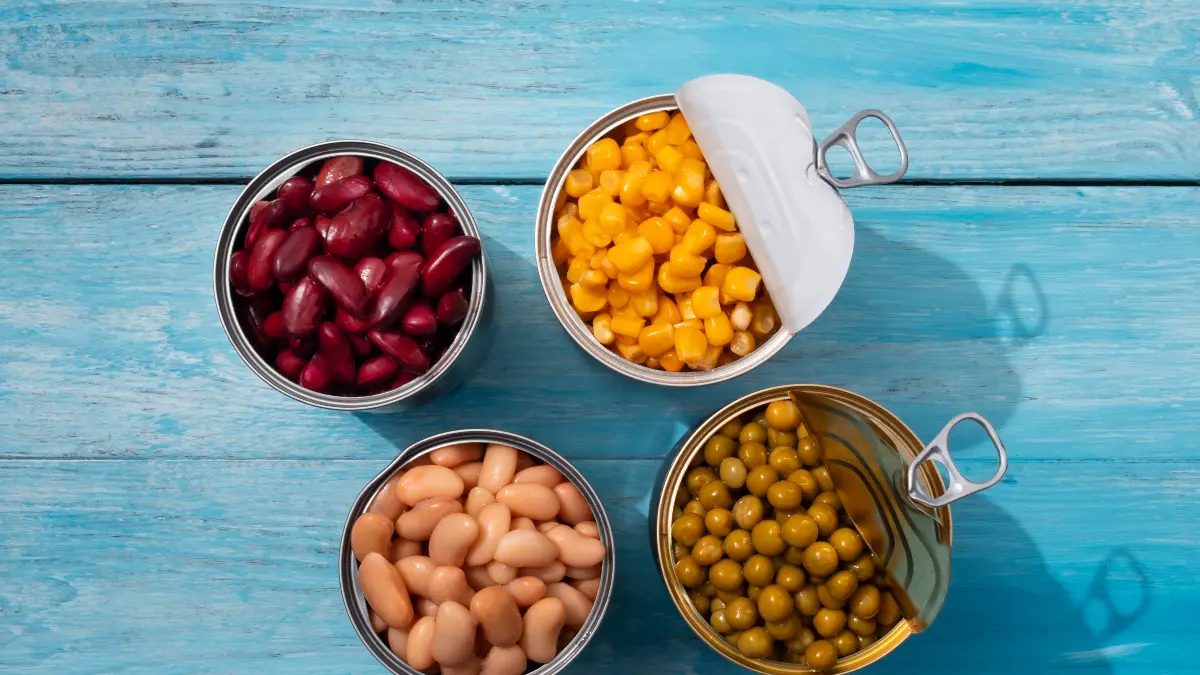
While convenient, standard canned vegetables—like canned green beans, corn, or peas—are often preserved in a brine solution loaded with salt.
The Heart Risk: Sodium is the direct enemy of healthy blood pressure. As mentioned earlier, potassium helps lower blood pressure, but sodium raises it. A single can of vegetables can contain over 30% of your daily recommended sodium limit. If you are eating greens to boost Nitric Oxide and lower pressure, eating high-sodium canned veggies cancels out those benefits.
The Fix: If you must use canned goods, look for labels that explicitly say “No Salt Added” or “Low Sodium.” If you only have regular cans, rinse the vegetables thoroughly under water in a colander before cooking; this can remove up to 40% of the excess sodium.
2. Deep-Fried Vegetables (Tempura, Fried Okra, or Breaded Zucchini)
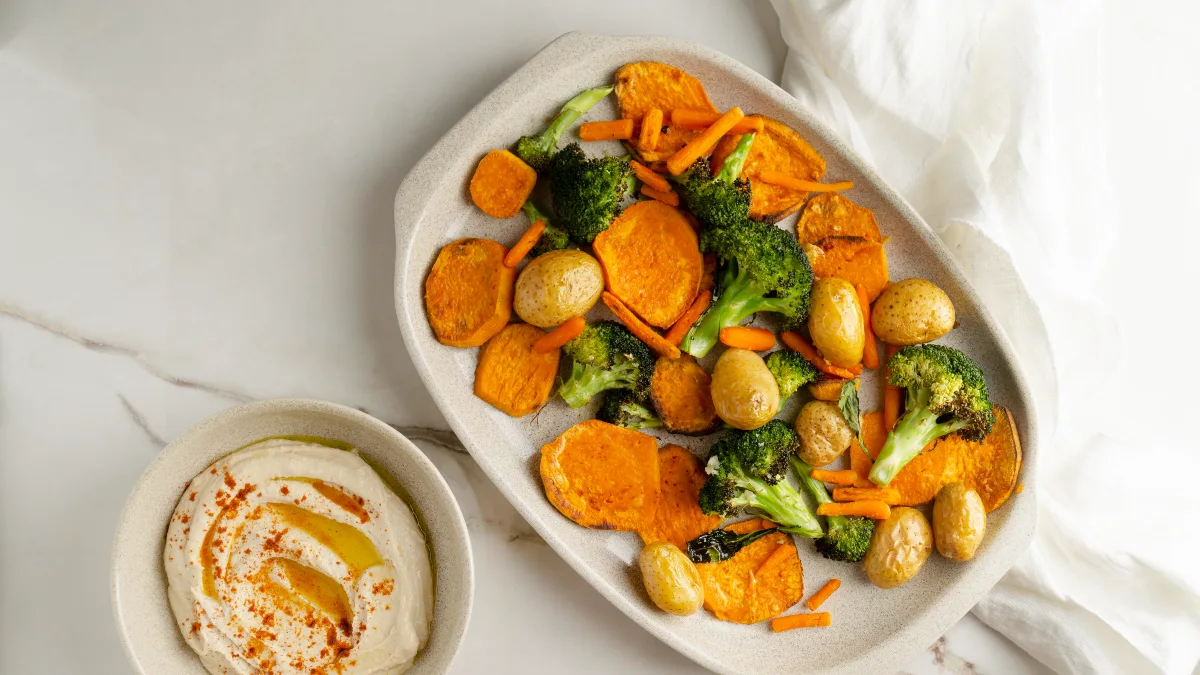
It is easy to justify eating fried foods if there is a vegetable inside, but the preparation method here negates the nutritional value.
- The Heart Risk: Deep-frying vegetables typically involves batter (refined carbs) and submersion in inflammatory vegetable oils that are high in Omega-6 fatty acids or saturated fats. This preparation adds massive caloric density and can contribute to arterial plaque and inflammation—the exact things you are trying to fight with leafy greens.
- The Fix: Use an Air Fryer or roast your vegetables in the oven. For example, tossing zucchini sticks in a light coating of olive oil and panko breadcrumbs and baking them at 400°F (200°C) gives you the crunch without the arterial damage.