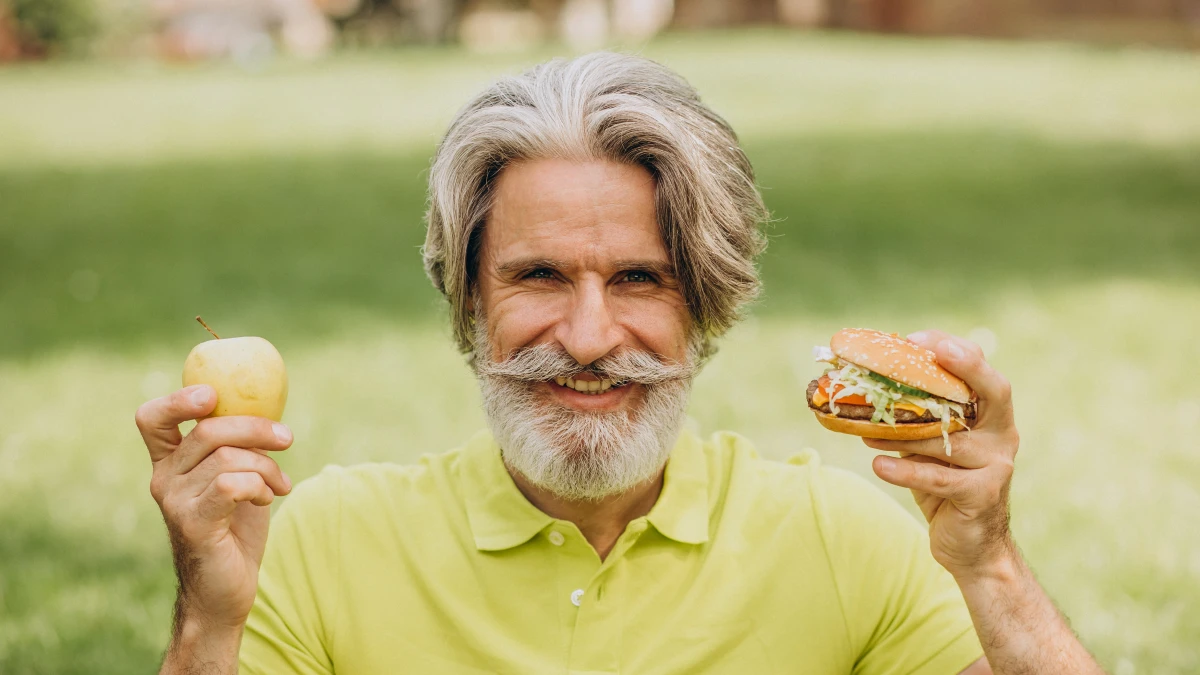
Did you know that changing what you put on your plate—even as late as age 60—can add nearly a decade to your life?
For years, the wellness industry has obsessed over what we should remove from our diets: cut the carbs, ban the fats, stop the sugar. But cutting foods out is only half the battle. According to a landmark study published in PLOS Medicine by researcher Lars Fadnes and colleagues, the biggest missed opportunity for longevity isn’t what we are eating too much of—it’s what we are skipping entirely.
The researchers modeled that shifting from a standard Western diet to an optimized diet rich in specific plant-based foods can add up to 13 years to life expectancy for young adults and over 8 years for those starting at age 60. The data is clear: it is never too late to start.
1. Legumes: The #1 Longevity Predictor
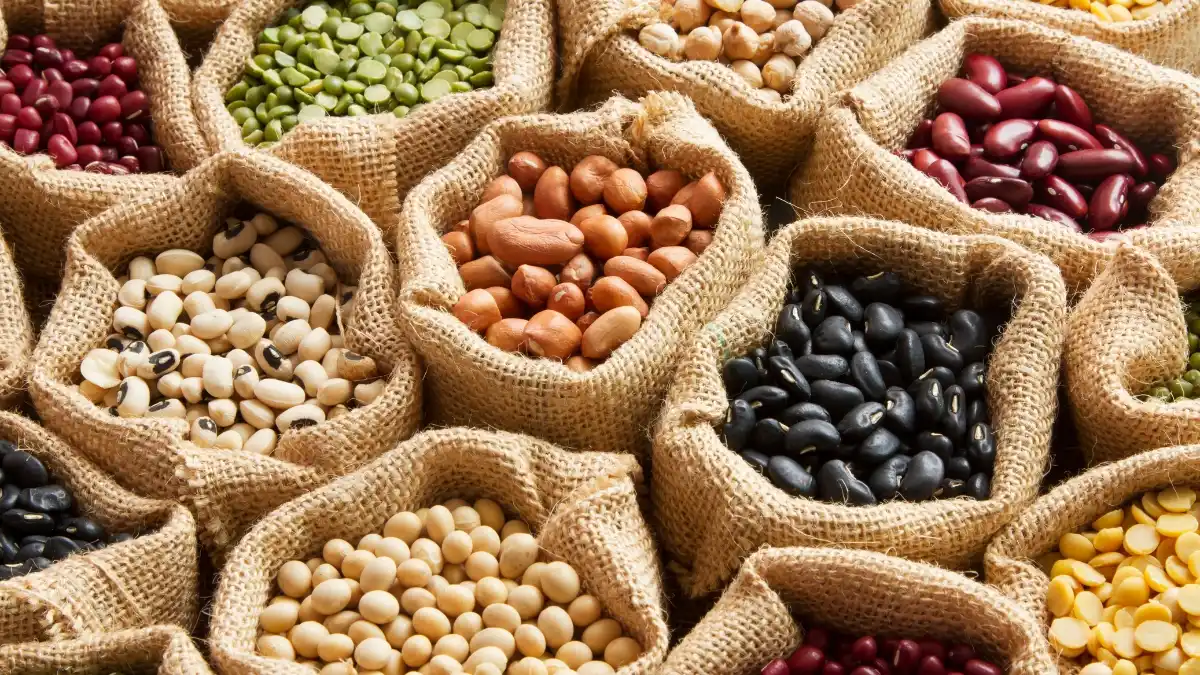
If there is one food category you are likely skipping that is costing you years, it is legumes. Often ignored because they are viewed as “boring” or due to debunked myths about lectins, beans are actually the nutritional cornerstone of every single Blue Zone—the regions around the world where people live to 100 at the highest rates.
- The Blue Zone Commonality: From lentils in the Mediterranean to black beans in Nicoya, legumes are the primary protein source for centenarians.
- Fiber & Blood Sugar: They are packed with resistant starch and fiber, which stabilize blood sugar and prevent the insulin spikes associated with accelerated aging.
- 2025 Science Update: Recent insights into the gut microbiome suggest that the variety of fibers found in legumes feeds specific beneficial bacteria (like Akkermansia), which strengthens the gut lining and lowers systemic inflammation—a key marker of longevity.
The “Sunday Swap” Don’t try to eat beans for every meal immediately. Start by swapping just one meat-based meal per week for a bean-based stew. If digestive comfort is a concern, start with lentils, which are easier to digest than kidney or pinto beans, and always rinse canned beans thoroughly to remove excess sodium and starches.
2. Intact Whole Grains (Not Just “Brown Bread”)
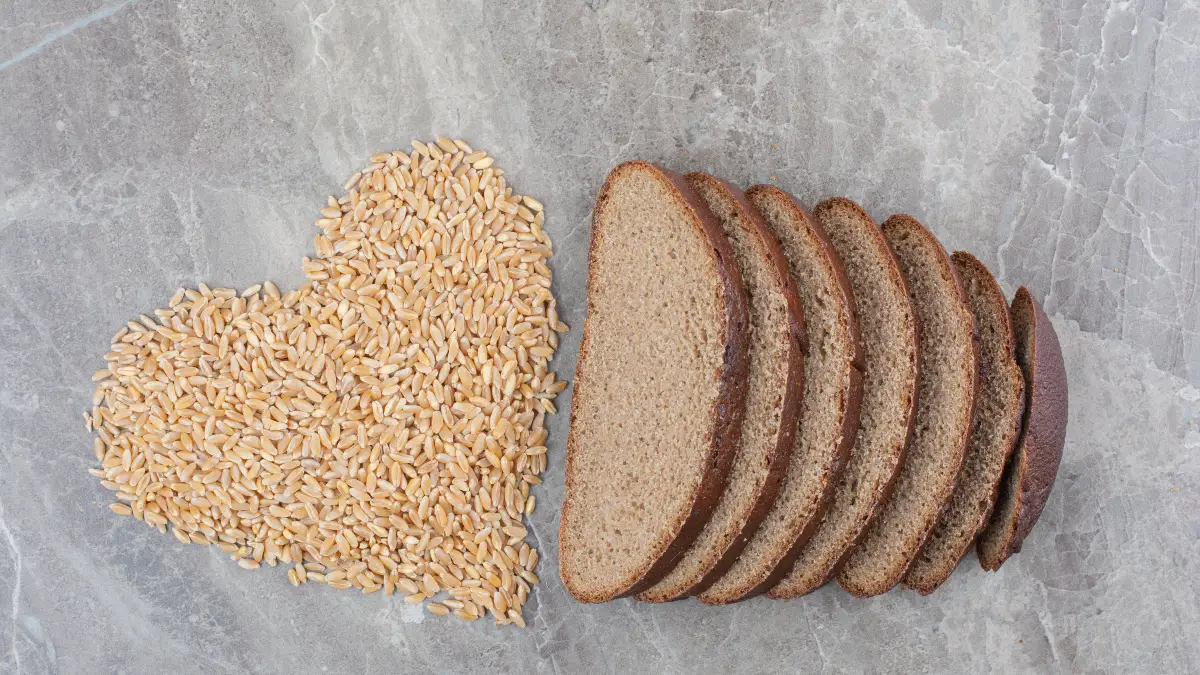
In the wake of low-carb and keto trends, many people have eliminated grains entirely. While refined white flour is indeed linked to poor health, skipping intact whole grains means missing out on the second most impactful food group for adding years to your life, according to the PLOS Medicine model.
The Crucial Distinction: There is a massive difference between “whole grain flour” (which is pulverized and digests quickly) and “intact grains” (where the seed is whole).
- Intact Grains: Oats, quinoa, barley, buckwheat, and brown rice.
- The Benefit: Because the kernel is intact, your body has to work harder to break it down. This provides a slow, sustained release of energy rather than a sugar spike.
The 2-Minute Overnight Oats Skip the sugary boxed cereal. The night before, combine ½ cup of rolled oats with 1 cup of almond milk and a dash of cinnamon in a jar. Put it in the fridge. By morning, the oats are soft and ready to eat. This ensures you start your day with a heart-healthy, life-extending fuel source without any cooking time.
3. Small Fatty Fish: The Omega-3 Powerhouse
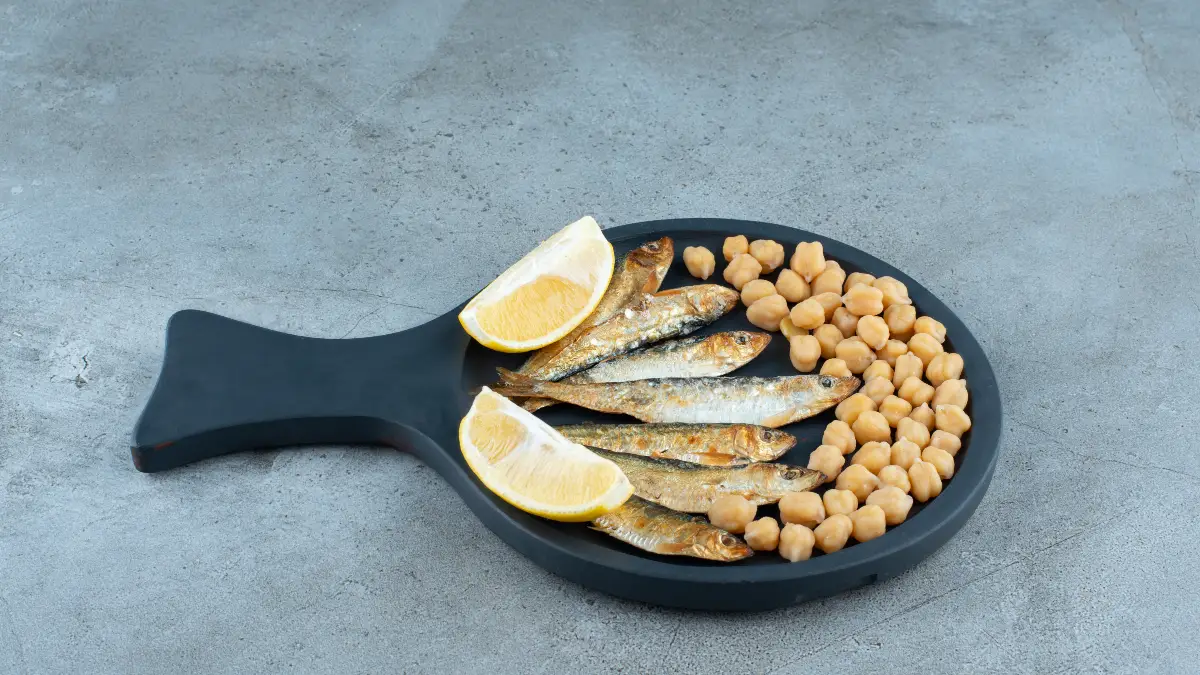
While many health-conscious eaters stick to white fish like tilapia or cod for the low calorie count, they are missing the point. The longevity magic lies in the fat—specifically, the Omega-3 fatty acids found in oily fish.
- The SMASH List: Focus on Salmon, Mackerel, Anchovies, Sardines, and Herring. These small fish are lower in mercury and higher in healthy fats than larger predators like tuna.
- Brain & Cellular Health: Omega-3s (DHA and EPA) are critical for maintaining cell membrane flexibility.
- 2025 Research Context: Discussions surrounding the DO-HEALTH study and similar trials highlight that a combination of Omega-3s and Vitamin D may help slow down “epigenetic clocks”—the biological markers of how fast we are aging compared to our chronological age.
The “Hidden” Sardine Trick If the idea of eating a sardine straight from the tin scares you, hide it. Mash two boneless, skinless sardines into a tomato pasta sauce. They dissolve completely, adding a rich “umami” flavor (salty and savory) without a fishy taste, delivering a massive dose of brain-protecting nutrients.
4. Walnuts & Seeds: The Daily Handful
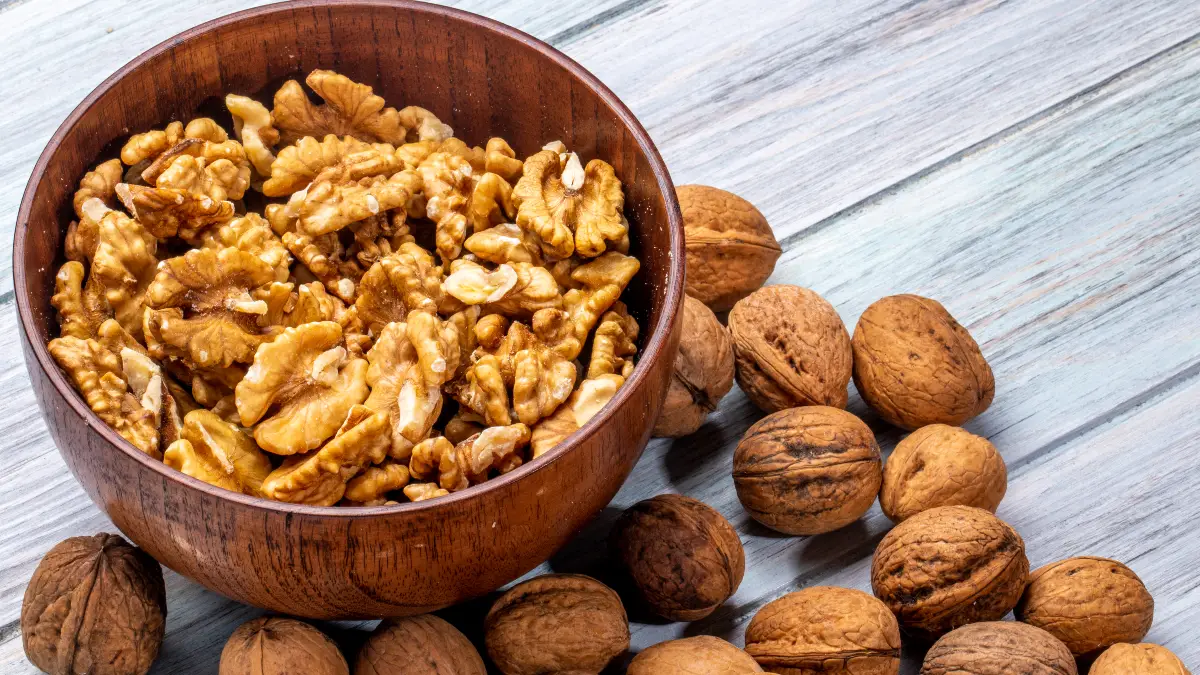
Nuts often get “skipped” because people are afraid of the high calorie count. However, data from the Harvard T.H. Chan School of Public Health suggests that regular nut eaters have a lower risk of dying from heart disease, cancer, and respiratory disease.
- The Walnut Advantage: While all nuts are good, walnuts are unique. They are the only tree nut with a significant amount of ALA (alpha-linolenic acid), a plant-based Omega-3 that reduces inflammation.
- Longevity Math: Research indicates that eating five or more servings of walnuts per week is associated with a gain of approximately 1.3 years of life expectancy.
The “Jar by the Door” Willpower fails; systems work. Place a jar of raw walnuts or pumpkin seeds right by your front door or on your desk. Make it a rule: eat a small handful (about 14 walnut halves) once a day. This simple habit ensures you get your healthy fats and minerals like magnesium without having to “cook” anything.
5. Dark Leafy Greens: To Keep the Brain Young

We often eat “lettuce” in side salads, but pale greens (like iceberg) are mostly water. To actually slow down aging, specifically cognitive decline, you need to upgrade to dark, bitter greens.
- The Cognitive Shield: Researchers from Rush University found that people who ate just one serving of leafy greens a day had a rate of cognitive decline equivalent to being 11 years younger than those who rarely ate them.
- Nutrient Density: Spinach, kale, swiss chard, and collard greens are loaded with vitamin K, lutein, folate, and beta-carotene, which act as neuroprotectors.
The “Wilt” Method Eating a giant bowl of raw kale can be a chore. Instead, wilt your greens. When you are making soup, eggs, or a stir-fry, throw in two giant handfuls of spinach at the very end. The heat reduces the volume by about 90% in seconds, allowing you to eat a massive serving of longevity-boosting greens in just a few bites.
6. Dark Berries: The MIND Diet MVP
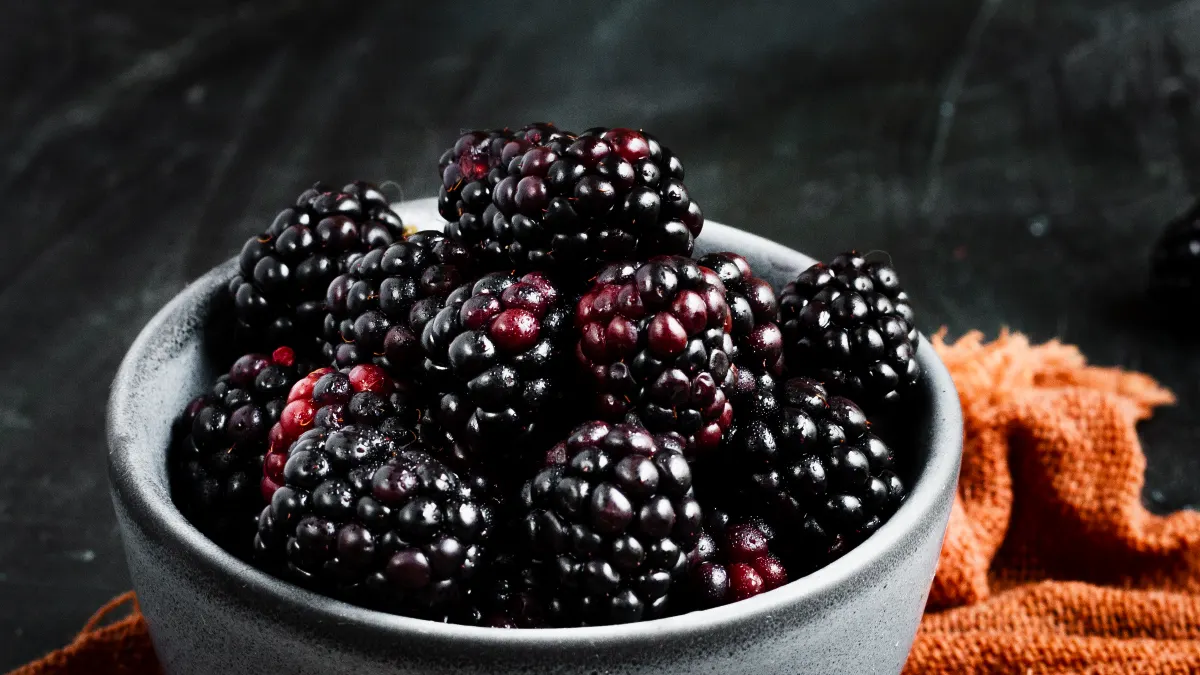
When we reach for fruit, we often grab bananas or apples. While healthy, they don’t pack the anti-aging punch of dark berries. Berries are the only fruit specifically singled out in the MIND Diet, a protocol designed by epidemiologists to prevent Alzheimer’s disease.
- Flavonoids: Blueberries, blackberries, and raspberries contain high levels of anthocyanins (what gives them their dark color). These compounds cross the blood-brain barrier to reduce oxidative stress and inflammation in the brain.
- 2025 Context: New data continues to support the idea that midlife consumption of flavonoid-rich foods provides a “cognitive reserve” that protects the brain decades later.
Go Frozen Fresh berries are expensive and spoil quickly. Buy frozen organic berries. They are picked at peak ripeness and flash-frozen, locking in nutrients that fresh berries lose during shipping. They are cheaper and perfect for cooling down oatmeal or blending into smoothies.
Conclusion
Living a longer, healthier life doesn’t require a strict, miserable diet where you count every calorie. The science of longevity in 2025 is not about perfection; it is about addition.
The studies are clear: shifting your diet away from processed foods toward these whole options can add substantial years to your life. But you don’t have to change everything overnight.
Your Next Step: Pick ONE of these foods to buy at the grocery store today. Just one. Maybe it’s a bag of frozen blueberries or a tin of walnuts. Start there. Your future self—10 years from now—will thank you for starting your longevity diet journey today.